
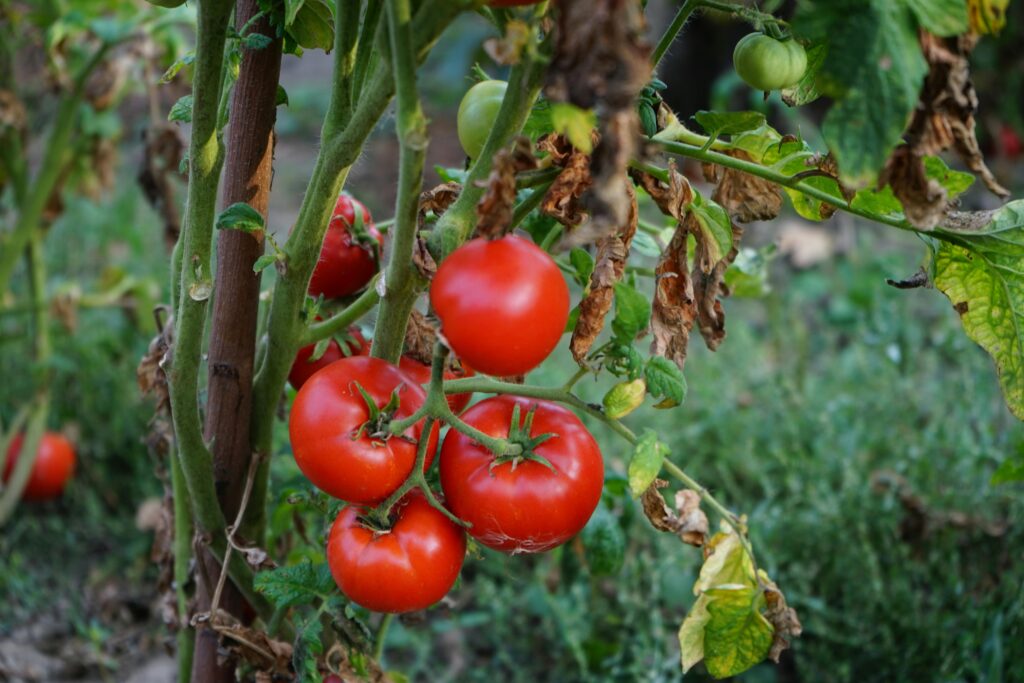
Dwarf Tomato Project: Big Taste in Small Spaces
Do you dream of bursting with the sweet, savory flavor of homegrown tomatoes, yet feel constrained by limited yard space? It’s time to stop settling for less! This guide dives into the world of dwarf tomatoes—the ingenious way to maximize flavor and yield by growing spectacular, sun-ripened fruit in the smallest containers. We’ll explore the philosophy, the techniques, and the secrets to turning your balcony or patio into a vibrant, flavor-packed micro-garden.
The Dwarf Tomato Philosophy: Why Smaller Plants Yield Bigger Flavor
The secret to big taste in small spaces lies in understanding plant biology. Dwarf varieties are bred for spatial efficiency; they manage their growth effectively, putting energy into fruit development rather than sprawling foliage.
Understanding the difference between determinate and indeterminate varieties is key. Determinate tomatoes stop growing once they reach a certain size, offering a predictable, compact harvest perfect for containers. Indeterminate varieties continue to vine indefinitely, which can be challenging in tight spaces.
By focusing on compact, manageable plants, you reduce the need for excessive root space and maximize the intensity of the flavor concentrated in each fruit. Smaller plants receive focused attention, leading to superior flavor development.
Phase 1: Selecting Your Perfect Dwarf Varieties
Choosing the right dwarf variety depends heavily on your container size and the amount of sunlight your chosen spot receives. Varieties like ‘Patio,’ ‘Micro-Tom,’ or specific dwarf strains are excellent starting points for small spaces.
Consider your light conditions. If you have partial shade, certain determinate varieties will thrive, while sun-loving strains will maximize heat and flavor. Always research local, heat-tolerant dwarf options before purchasing seeds or starts.
Match the variety to the container. A ‘Micro-Tom’ might be perfect for a large pot, while smaller heritage dwarf strains suit shallower containers, ensuring the plant can establish strong roots without becoming root-bound immediately.
Phase 2: Maximizing Your Small Space: Container and Soil Strategy
Container sizing is non-negotiable. Ensure your pot is large enough—at least 10 to 12 inches in diameter for most dwarf varieties—to allow for proper root development and air circulation.
Drainage is paramount. Select pots with excellent drainage holes. Poor drainage is the number one killer of container tomatoes, leading to root rot.
Use a high-quality potting mix, not heavy garden soil. A premium container mix provides the necessary aeration and drainage, allowing roots to breathe and effectively absorb nutrients, which is crucial for maximizing yield in confined environments.
Phase 3: Optimal Planting Techniques
Proper spacing, even in small spaces, is vital for plant health and fruit size. Follow the spacing guidelines on your chosen seed packet to prevent plants from competing excessively.
As plants grow, implement support early. Since these plants are smaller, tying them to a stake or using small cages will help guide the stems and provide crucial physical support, preventing the small plants from flopping over.
Focus on vertical growth and airflow. Ensure that your small plants are positioned so they receive ample, indirect sunlight throughout the day, allowing for even development and ripening.
Phase 4: Advanced Care for Maximum Yield
Watering in containers requires consistency. Water deeply when the top inch of soil feels dry, ensuring the water reaches the entire root ball. Avoid letting the soil remain bone dry, as this stresses the plant.
Nutrient management is essential. Since container soil nutrients leach faster, use a balanced liquid fertilizer every one to two weeks, following the product instructions carefully to feed these compact plants effectively.
Promote air circulation around the plant. Good airflow minimizes humidity buildup, which helps prevent fungal diseases and encourages healthier, more concentrated fruit growth.
Troubleshooting Common Small-Space Challenges
Root binding occurs when the roots become tightly packed and restrict growth. If you notice stunted growth, provide occasional stem ties or gently aerate the soil to allow roots space to expand.
Blossom end rot, a common issue in tomatoes, often points to calcium or moisture imbalance. Ensure you are using a potting mix high in calcium, and monitor watering to maintain consistent moisture levels.
Insufficient ripening in confined spaces can happen if airflow is poor or if the plant is overly stressed. Focus on ensuring excellent drainage and air circulation to allow the fruit to develop its full, rich flavor potential.
Pest and Disease Management in Micro-Gardens
In small-scale container gardening, organic, preventative methods are the most effective approach. Inspect your plants daily for early signs of pests like aphids or whiteflies, which thrive in warm, humid container settings.
Use organic solutions like insecticidal soap or neem oil for treatment. These methods are gentle on the environment and effective at managing small pest infestations without harming the beneficial insects that coexist in your micro-garden.
Promoting strong plant health naturally wards off many issues. Maintaining the proper watering and feeding schedule, combined with excellent air circulation, is your best defense against common container diseases.
Harvesting for Peak Taste
Dwarf tomatoes often appreciate focused attention. Learn to recognize when your compact plant is ready: look for deep, even color and a firm yield, rather than excessive sprawl.
Because the plants are smaller, they typically produce a highly concentrated burst of intense flavor. Harvest regularly to encourage continuous fruiting, ensuring you get the peak sweetness.
Managing fruiting in small spaces means focusing on the best-looking fruits. With good air flow, you can easily manage the canopy, allowing the sun to hit every tomato, ensuring every berry achieves peak ripeness.
The Dwarf Tomato Project proves that abundance doesn’t require acres of land—it requires smart design and focused care. By embracing the philosophy of dwarf varieties, mastering container techniques, and applying expert management strategies, you can transform your small space into a vibrant source of intensely flavored, homegrown tomatoes. Start your journey today; the reward is a taste of pure, sun-ripened perfection!