
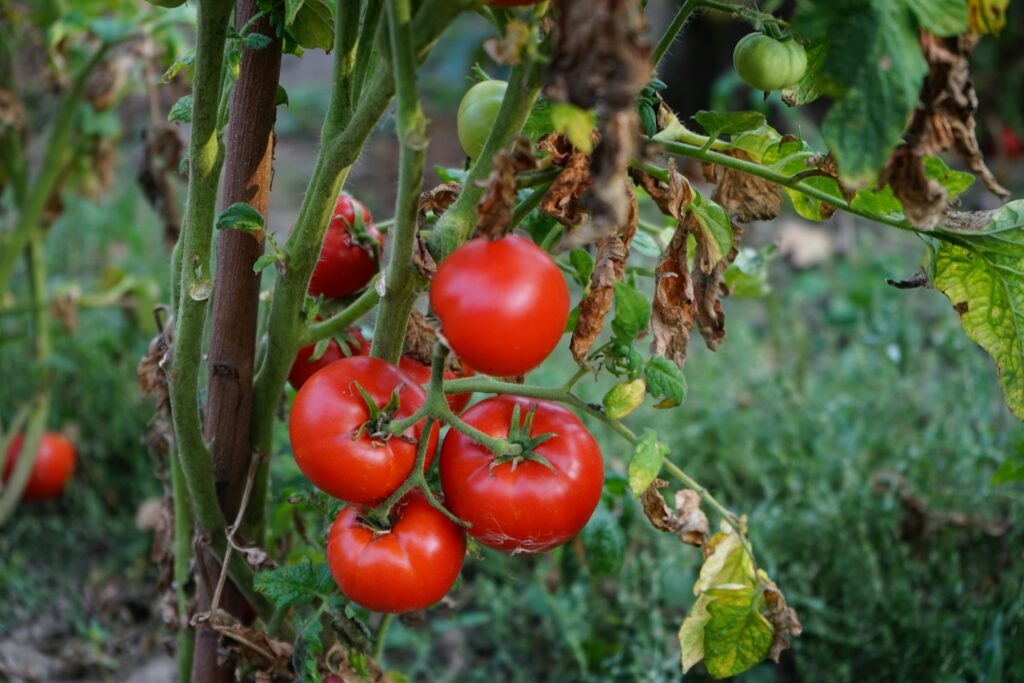
The Art of Tomato Tasting: Mastering the Symphony of Acidity, Sugar, and Umami
The tomato, in its simplest form, is a masterpiece of flavor. It is not merely a vegetable; it is a flavor canvas upon which the complex orchestra of taste is played. Many perceive the tomato as simply ‘sweet’ or ‘acidic,’ but true mastery lies in understanding the subtle, dynamic interplay between acidity, sugar, and umami. This post invites you to move beyond simple consumption and delve into the science and art of tasting tomatoes with expert precision.
Deconstructing the Foundation: Understanding the Three Pillars of Tomato Flavor
Every perfect tomato flavor profile is built upon three foundational pillars: acidity, sugar, and umami. These are not isolated tastes; they are interconnected components that combine to create the richness and complexity we crave.
1.1 Acidity: The Brightness and the Bite
Acidity, driven primarily by citric and malic acids, provides the necessary brightness and the ‘bite’ that prevents the tomato from becoming flat. Understanding pH levels and volatile acids allows us to perceive the tomato’s vibrancy—the perception of freshness and life.
1.2 Sugar: The Sweetness Spectrum
Sugar dictates the sweetness spectrum. Distinguishing between naturally occurring sugars (which contribute to the inherent body and savory notes) and added sugars is crucial. The ratio of sugar to acid directly influences the flavor’s balance and its impact on texture.
1.3 Umami: The Savory Depth
Umami, derived from glutamate, is the savory depth that anchors the entire flavor experience. In tomato flesh, umami provides the sense of savoriness, depth, and richness—the fundamental savory quality that makes the tomato feel deeply satisfying.
The Art of Balance: How Acidity, Sugar, and Umami Interplay
The true art of tomato tasting lies in recognizing how these three elements dance together. Achieving equilibrium is the secret to unlocking the tomato’s full potential. Too much acidity can feel sharp; too much sugar can mask the subtle savory notes; and an imbalance leads to a flat, uninteresting flavor.
2.1 The Delicate Handshake: Achieving Equilibrium in Tomato Flavor Profiles
Equilibrium is found in the dynamic tension between these components. A perfect tomato flavor profile is one where the acidity provides the necessary lift, the sugar provides the body and resonance, and the umami provides the deep, satisfying foundation. This balance creates a flavor that is both bright and deeply savory.
2.2 The Role of Texture (Mouthfeel): How these components influence perceived richness and body
Mouthfeel is inextricably linked to chemical composition. The presence of sugar and the way acids interact with the pectin and moisture determines the perceived richness and body. A well-balanced tomato has a velvety texture that reflects its internal chemical harmony.
2.3 Flavor Velocity: The Dynamic Interaction – How these elements shift as the tomato matures or cooks
Flavor velocity changes dramatically throughout the life cycle of the fruit. As a tomato ripens, the concentration of sugars increases, and the balance shifts, making the acidity more pronounced. Cooking alters the structure, concentrating the flavors and enhancing the interaction between acidity, sugar, and umami, leading to deeper, more complex sensations.
Advanced Application: Tasting and Cultivating Tomato Mastery
Moving from foundational understanding to true mastery requires sensory training and an awareness of the broader context.
3.1 Sensory Training: Techniques for Objective Tomato Evaluation (The Tasting Protocol)
To evaluate tomatoes objectively, establish a protocol. Start by tasting a fresh, ripe specimen, focusing first on the acidity and the initial ‘bite.’ Then, assess the sweetness gradient. Finally, focus on the lingering savory notes—the umami—before considering texture. Use a palate cleanser between samples to ensure each experience is pure.
3.2 The Role of Ripeness and Variety in Flavor Expression
The variety of tomato significantly influences the flavor expression. Heirloom varieties often possess a more intense, complex interplay of acidity, sugar, and umami that is less common in commercially bred types. Ripeness is the gateway; tasting tomatoes just at their peak allows you to experience the maximum expression of their genetic potential.
3.3 Application in Culinary Arts: Using Flavor Science to Elevate Cooking Techniques (Sauces, Roasts, and Preserves)
Incorporating flavor science into cooking elevates results beyond simple recipe following. When making sauces, understanding the balance means knowing when to slightly adjust acid or sugar to amplify the umami. Roasting tomatoes, for instance, caramelizes the sugars while concentrating the acids and intensifying the savory depth, transforming simple ingredients into profound culinary experiences.
The journey into the world of tomato tasting reveals that flavor is not arbitrary; it is a quantifiable science wrapped in an exquisite sensory experience. By recognizing the fundamental roles of acidity, sugar, and umami, we gain the tools to appreciate not just what we eat, but *why* it tastes the way it does. Cultivating this knowledge transforms the act of eating into a profound exploration, allowing every tomato to reveal its genius.