
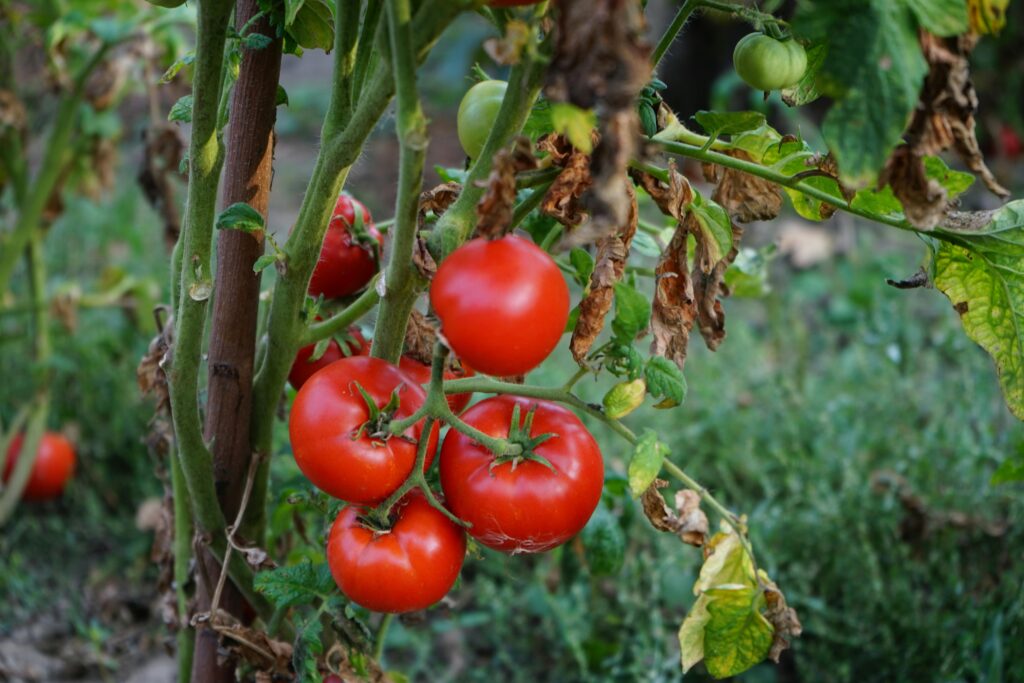
Greenhouse Tomato Production for Amateurs: A Beginner’s Guide to Indoor Gardening
Dreaming of gourmet, flavorful tomatoes, but facing unpredictable outdoor weather? A greenhouse offers a controlled, optimized environment perfectly suited for amateur growers. Transitioning from backyard gardening to climate-controlled indoor cultivation can unlock higher yields, better flavor profiles, and year-round consistency. This guide will walk you through the essential steps, from setting up your structure to advanced management, transforming your passion for tomatoes into a successful greenhouse harvest.
Understanding Greenhouse Essentials for Tomatoes
The biggest advantage of a greenhouse is the ability to precisely manage the microclimate. For tomatoes, this means actively controlling temperature, humidity, and airflow—factors that significantly impact growth rate and disease resistance.
Climate Control: Maintaining ideal conditions is crucial. Tomatoes thrive in warm temperatures (ideally 70-85°F) and moderate humidity (around 50-60%). Proper airflow is equally important to prevent stagnant, humid air pockets, which are breeding grounds for fungal diseases.
Greenhouse Structure Selection: Choosing the right materials is key for long-term success. Materials like polycarbonate or glass offer good light transmission, while proper insulation prevents overheating in summer and heat loss in winter. Excellent ventilation systems must be integrated to manage temperature fluctuations effectively.
Light Requirements: Tomatoes are sun-loving plants, requiring intense light exposure. Amateurs should aim for full-spectrum lighting, either maximizing natural exposure through transparent glazing or supplementing with high-quality grow lights to ensure robust flowering and fruiting.
Preparing the Growing Medium and Seeds
Choosing the right soil mix is foundational. Greenhouse conditions demand a lightweight, highly porous, and well-draining medium that allows roots to breathe and access nutrients without becoming waterlogged.
Choosing the Right Soil Mix for Greenhouse Conditions: A successful mix often involves a blend of peat moss, perlite, and compost. This combination ensures aeration (perlite) and moisture retention (peat/compost), creating an ideal environment for root health.
Seed Selection and Variety Choice: Select tomato varieties known for performance in container or controlled environments. Early-maturing varieties are often preferred for quicker results indoors, ensuring you get a harvest before winter sets in.
Starting Seeds: Utilizing controlled environments for starting seeds allows for perfect germination rates. Start seeds in small pots using sterile, fine-textured potting mix. This controlled environment minimizes initial exposure to pests and diseases.
Planting and Transplanting Strategies
Planning Layouts: Proper spacing is non-negotiable in a greenhouse. Tomatoes need adequate room for branches to spread and for good air circulation between plants; overcrowding leads to poor fruit development and increased disease risk.
Determining Spacing and Staking Needs: Research the specific tomato variety you chose to determine its required vertical and horizontal spacing. Plan your layout to ensure access for pruning and adequate light penetration for all plants.
Potting Up Seedlings and Transplanting into the Greenhouse: When transplanting, ensure the seedlings are robust before moving them. Use the prepared, aerated soil mix to establish a healthy root zone immediately upon potting up.
Establishing Optimal Initial Support Systems: Tomatoes are heavy feeders. Establishing strong stakes, cages, or trellises early on is essential. This supports the heavy fruit weight and allows for better air circulation around the foliage, preventing stem rot.
Advanced Greenhouse Management Practices
Irrigation Systems: For greenhouse efficiency, drip irrigation systems are highly recommended over overhead watering. Drip systems deliver water directly to the root zone, minimizing water waste and preventing the foliage from staying wet, which helps mitigate fungal issues.
Nutrient Management: Indoor plants, especially fruiting varieties like tomatoes, require consistent, precise feeding. Implement a feeding schedule using a balanced, water-soluble fertilizer, adjusting concentrations based on plant growth stage. Indoor environments often require slightly more consistent feeding than outdoor counterparts.
Integrated Pest Management (IPM): Since pests can spread rapidly in a confined space, adopt an IPM approach. Regularly inspect plants, use physical barriers (like fine netting), and utilize beneficial insects when necessary, minimizing the need for harsh chemical interventions.
Disease Prevention: High humidity invites fungal diseases like blight and mildew. Proactive prevention involves meticulous ventilation (ensuring constant air movement) and maintaining good air circulation patterns within the greenhouse to keep the environment dry and balanced.
Troubleshooting Common Greenhouse Tomato Problems
Troubleshooting Watering Issues: Over-watering is a common pitfall indoors. If leaves appear yellow, wilted, or soft, check the soil moisture level carefully. Ensure drainage is excellent, and water deeply but infrequently, allowing the topsoil to dry slightly between waterings to prevent root rot.
Managing Nutrient Deficiencies: Chlorosis (yellowing leaves) and necrosis (tissue death) often signal nutrient imbalances. If you observe these symptoms, test your soil pH and use a balanced fertilizer. Deficiencies are usually addressed by applying targeted, soluble supplements.
Dealing with High Humidity and Mold: High humidity encourages mold and mildew, especially in confined, humid greenhouse spaces. Immediately increase ventilation. Ensure good air circulation, consider using dehumidifiers if necessary, and practice careful watering techniques to avoid creating overly wet microclimates near the leaves.
Temperature Fluctuation Adjustments and Mitigation: Rapid temperature swings stress plants. Use proper greenhouse climate controls to maintain a steady temperature range. When managing natural fluctuations, ensure temperature gradients are gradual to prevent shock to the tomato plants.
Maximizing Yields and Enjoying Greenhouse Tomatoes