
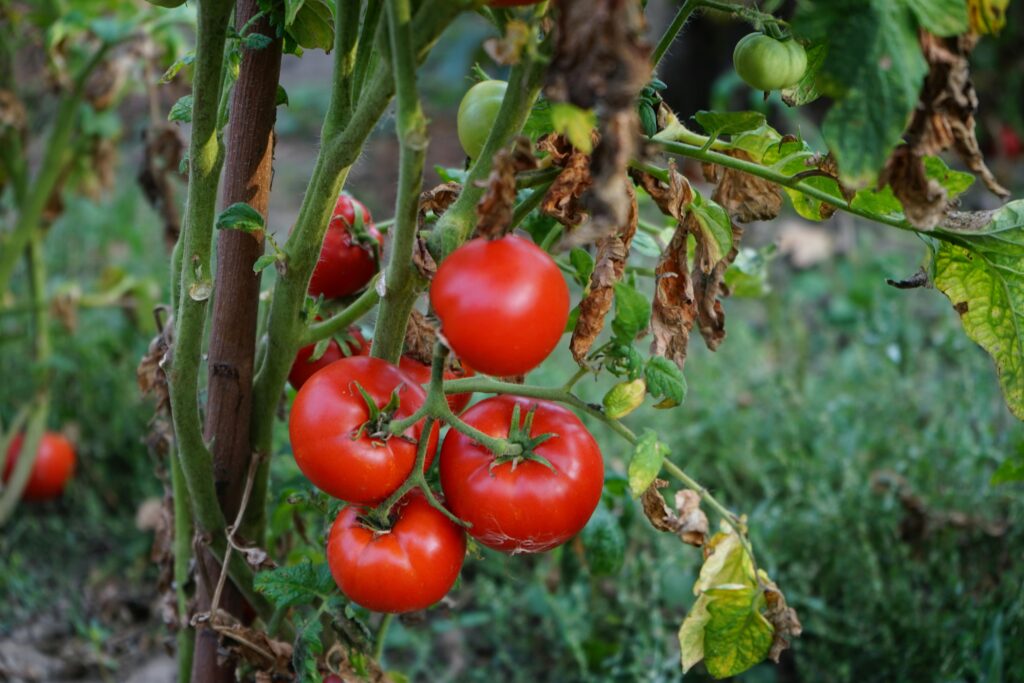
Why Are My Tomato Leaves Turning Yellow? A Complete Guide to Chlorosis and Recovery
There is nothing more disappointing than seeing vibrant tomato plants suddenly exhibit yellowing leaves. This common symptom, known as chlorosis, can trigger immediate worry and panic among gardeners. But don’t let the yellow turn you into a novice! Yellow leaves are not just a visual sign; they are the plant’s desperate cry for help, signaling an imbalance in its environment, nutrition, or health. This comprehensive guide will walk you through the exact causes, from internal nutrient deficiencies to external pests, and provide you with the expert steps needed to diagnose and save your tomato harvest.
Understanding the Symptoms – What Does Yellow Mean?
Yellowing in tomato foliage, or chlorosis, is a broad symptom that indicates an issue somewhere in the plant’s system. Before you start treating the problem, you must accurately differentiate the cause. Is the yellowing a systemic issue caused by a lack of essential nutrients, or is it a localized problem related to water stress or a specific disease?
It is crucial to learn to distinguish between different types of yellowing patterns. For example, spotting the difference between yellowing on the leaf edges versus yellowing in the veins, or overall chlorosis, will immediately narrow down your troubleshooting path.
The Top 5 Nutritional Causes of Tomato Yellowing (The Internal Fixes)
Nutrient deficiencies are one of the most common reasons for yellowing. Your tomato plant relies heavily on a delicate balance of macro and micronutrients; when this balance is disrupted, the plant cannot perform photosynthesis efficiently, leading to visible yellowing.
1. Nitrogen Deficiency (The Most Common Culprit): Nitrogen is essential for creating chlorophyll (the green pigment). Lack of nitrogen results in older, lower leaves turning uniformly yellow first, as the plant reallocates existing nutrients to newer growth.
2. Iron and Magnesium Deficiencies (The Red Factor): Deficiencies in iron and magnesium often manifest as interveinal chlorosis—where the veins remain green while the tissue between them yellows. This is often aggravated by alkaline soil conditions.
3. Potassium and Calcium Imbalances: These minerals are vital for overall plant structure and water regulation. Imbalances can cause mottled yellowing, particularly on the older foliage.
4. The Role of pH and Nutrient Lockout: Even if nutrients are present, if the soil pH is too high or too low, the plant cannot absorb them. This ‘nutrient lockout’ effectively starves the plant, leading to symptom development.
5. Micronutrient Deficiencies (Boron, Zinc): These elements, though required in small amounts, are critical for cellular function. Deficiencies in Boron and Zinc can cause specific patterns of spotting or stunted growth alongside yellowing.
Environmental and Watering Mistakes (The External Factors)
Beyond internal nutrition, the plant’s external environment plays a massive role in its health. Environmental stressors often mimic nutrient deficiencies, making diagnosis tricky.
1. Overwatering and Root Suffocation: This is perhaps the silent killer of many container tomatoes. When roots sit in constantly wet, waterlogged soil, they cannot access sufficient oxygen. This suffocates the roots, preventing them from absorbing water and nutrients, leading to leaf yellowing and eventually root rot.
2. Underwatering and Drought Stress: Conversely, severe underwatering causes the plant to shut down growth to conserve water, resulting in wilting and eventual yellowing of the leaves as the plant struggles to maintain turgor pressure.
3. Soil Compaction and Poor Drainage: Compacted soil prevents roots from spreading and breathing, severely restricting nutrient uptake. Poor drainage exacerbates overwatering issues by creating stagnant, anaerobic conditions.
4. Temperature Extremes and Sunlight Exposure: Sudden, drastic changes in temperature, excessive heat, or exposure to intense, unshaded midday sun can cause leaf burn or stress responses that manifest as chlorosis.
Pest and Disease Infestations (The Hidden Threats)
Don’t overlook the possibility that the yellowing is caused by living organisms attacking the plant. Pests and diseases actively consume the plant’s vitality, leaving behind stressed, yellowed foliage.
1. Fungal Issues: Diseases like Early Blight and Leaf Spot Diseases often appear as yellow spots or blotches that can progress into widespread chlorosis. These are typically accompanied by telltale spots, mold, or textured changes on the leaves.
2. Pest Damage: Insects like Aphids, Spider Mites, and Whiteflies feed voraciously on the plant’s sap. Their feeding damage weakens the plant, causing yellowing, stunting growth, and often leaving behind visible staining or webbing.
3. Bacterial Infections and Root Rot Symptoms: Bacterial diseases frequently start in the roots. If the infection progresses, the resulting stress often travels up to the leaves, causing generalized wilting and yellowing, frequently accompanied by soft, decaying root masses.
The Expert Diagnostic Checklist (Troubleshooting Steps)
When faced with yellowing, follow this systematic approach to pinpoint the exact cause before applying any treatment.
Step 1: Soil Testing – The Only True Answer: Before guessing, get a professional soil test. This will give you the definitive chemical breakdown of your soil, revealing the exact nutrient levels and pH, which is the foundation of all successful remediation.
Step 2: Visual Inspection Guide – Leaf by Leaf Analysis: Systematically inspect the plant. Is the yellowing uniform, or is it concentrated on older leaves? Are there visible spots, webbing, or signs of mold? Map out the pattern.
Step 3: Water Quality Assessment (Testing Tap Water vs. Soil): Test your water quality and compare it to your soil’s pH. This helps determine if the issue is external (water quality) or internal (soil chemistry).
Step 4: Remedial Actions – Immediate Fixes vs. Long-Term Health: Based on your findings, act decisively. If it’s a nutrient issue, use balanced fertilizer; if it’s overwatering, immediately improve drainage; if it’s pests, use targeted organic treatments. Always aim for long-term plant health.
Prevention and Future-Proofing Your Tomato Plants
The best defense against yellowing is proactive, smart gardening. By implementing these preventative measures, you create an environment where your tomatoes will thrive naturally.
1. Establishing the Perfect Soil Profile (Composting and Amendments): Start with rich, well-draining soil. Regularly incorporate compost and organic matter to slowly feed the soil and ensure a continuous supply of balanced nutrients, reducing reliance on synthetic fertilizers.
2. Mastering Irrigation Techniques (Drip vs. Overhead): Drip irrigation is the gold standard, delivering water directly to the root zone, minimizing evaporation, and significantly reducing the risk of overwatering and root suffocation.
3. Strategic Fertilization Schedules for Peak Growth: Use slow-release or balanced liquid fertilizers. Avoid excessive nitrogen early in the growth cycle, and adjust fertilization based on the plant’s stage, not a rigid calendar.
4. Mulching and Weed Management Strategies: Apply a thick layer of organic mulch (straw, wood chips) around the base of the plants. This regulates soil temperature, conserves moisture, suppresses weeds that compete for nutrients, and improves drainage.
5. Regular Vigilance: Make weekly checks your habit. Catching a small nutrient deficiency or a nascent pest infestation early saves weeks of struggle and ensures a truly vibrant harvest.
Dealing with yellowing tomato leaves can feel overwhelming, but by shifting your focus from panic to systematic diagnosis, you gain total control. Remember, yellowing is a signal, not a sentence. By understanding the complex interplay between soil chemistry, water management, environmental factors, and pest activity, you become an expert diagnostician. Implement the checklist, focus on building healthy soil, and practice consistent care. Follow these steps, and you will transition from worrying about yellow leaves to enjoying the sweet, vibrant harvest you deserve.