
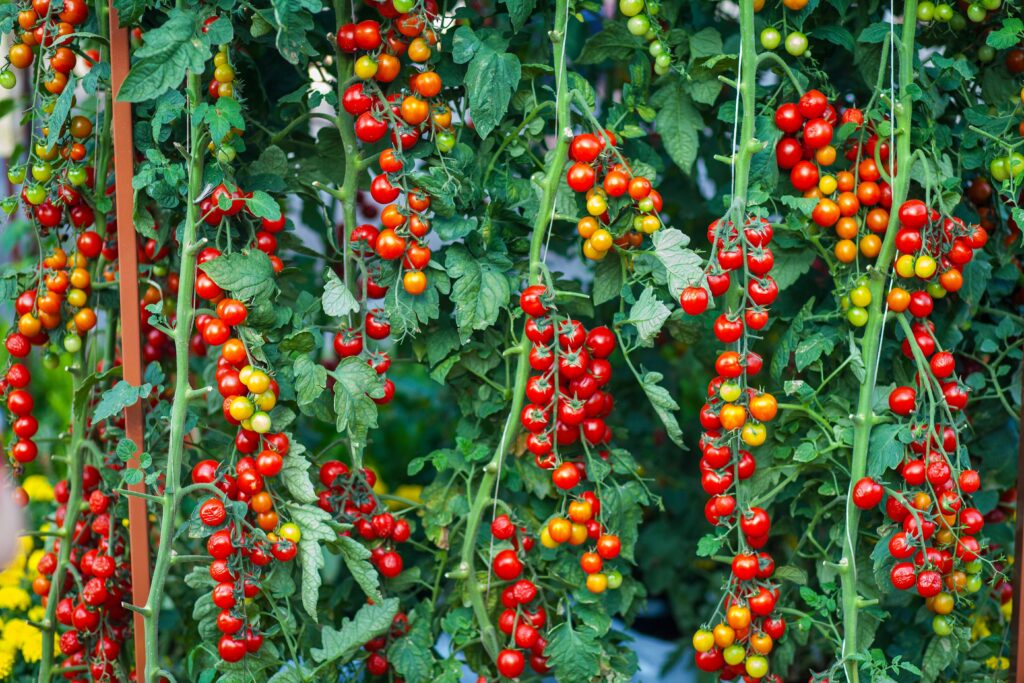
The pursuit of abundant yields in any agricultural system hinges on one fundamental truth: the health of the soil dictates the health of the crop. For nightshade growers, striving for rich, prolific harvests requires moving beyond simple planting and embracing the ancient art of crop rotation. This guide delves into why rotation is not just an option, but an essential strategy for unlocking the deep, enduring fertility required to maximize the potential of your soil and ensure truly abundant harvests.
The Soil Health Crisis: Why Monocropping Undermines Nightshade Yields
Monocropping, the practice of continuously growing the same crop in the same area, creates a severe imbalance in the soil ecosystem. Nightshades, being heavy feeders, place intense, specific demands on the soil, rapidly depleting specific nutrients and exhausting the microbial life essential for nutrient cycling.
Analyzing the specific demands of heavy feeders, such as nightshades, reveals that they draw large quantities of fixed nitrogen and specific micronutrients, leading to soil depletion over time. This continuous extraction prevents the soil from recovering its natural equilibrium.
Furthermore, continuous cultivation stresses the soil food web. Healthy soil is a complex, living entity filled with diverse fungi, bacteria, and earthworms that create the structure necessary for water retention and nutrient availability. Monocropping destroys this delicate balance, making the soil less resilient to future environmental stresses.
Building organic matter is the antidote to this depletion. Organic matter acts as a sponge, improving water holding capacity, buffering soil pH, and providing the slow, steady release of nutrients that heavy feeders thrive on. Focusing on increasing organic matter builds a foundation for true long-term resilience.
Understanding the Nightshade Crop Cycle
It is crucial to categorize crops based on their nutrient requirements to design effective rotations. We can broadly categorize plants into heavy feeders and light feeders, which dictates how they interact with the soil resources.
Heavy Feeders, like many nightshade varieties, require substantial and consistent inputs of nutrients to produce dense foliage and high yields. They naturally deplete soil resources more rapidly.
Light Feeders, conversely, are more forgiving and require less aggressive nutrient mining from the soil, allowing the microbial community more time to recover and stabilize the environment.
The cumulative stress of sequential planting is a significant factor. Planting nightshades in the same location immediately after another high-demand crop can exacerbate nutrient lock-up and increase vulnerability to disease and pest infestations, creating a cycle of decline.
Strategic Rotation Systems for Maximizing Nightshade Potential
The goal of rotation is to intentionally cycle plant families to mimic natural ecological processes, allowing different root structures and nutrient demands to be satisfied sequentially.
The Ideal Rotation Matrix: The most powerful strategy involves sequencing heavy feeders with nitrogen fixers. Legumes (like beans, peas, and clover) are indispensable as they naturally enrich the soil with nitrogen, reducing the need for constant external fertilization.
Integrating Brassicas and Root Crops: Introducing crops like brassicas (cabbage, broccoli) and root crops (carrots, beets) provides staggered nutrient uptake. Brassicas are excellent at accumulating minerals, while root crops break up the soil structure, improving aeration, which benefits all subsequent plants.
The Fallow Strategy: Allowing sections of the garden to rest entirely is a potent form of regeneration. Fallow periods allow the soil structure to completely reform, allowing microbial populations to flourish and organic matter to accumulate without the stress of active growth.
Practical Implementation: Executing the Plan
A strategic plan is only effective when grounded in data. The first step in implementing rotation is rigorous soil testing to understand the exact deficiencies and health levels of your land before making any rotation decisions.
Soil Testing Protocols: Regularly testing for pH, organic matter content, and nutrient levels dictates the next rotation step. If tests show high depletion, the rotation must prioritize soil building (e.g., covering with compost or cover crops) before introducing another heavy feeder.
Cover Cropping as a Rotation Tool: Cover crops are the secret weapon in rotation. Planting non-cash crops during fallow periods ensures living roots are constantly in the ground, stabilizing soil structure, suppressing weeds, and drawing residual nutrients back into the system.
Managing Succession: In smaller garden spaces, techniques like multi-bed systems or block rotation allow for simultaneous management of different crop cycles within the same area, maximizing yield potential without sacrificing efficiency.
Long-Term Soil Building and Expert Insights
Sustainable success is achieved not in a single cycle, but through establishing a multi-year rotation protocol that encourages continuous soil rejuvenation.
The Multi-Year Cycle: Establish a macro-cycle that repeats the sequence of heavy feeders, nitrogen fixers, and rest periods over several seasons. This consistency allows the soil ecology to adapt and build fertility organically.
The Synergy of Companion Planting: Placing specific crops next to nightshades can enhance growth and suppress pests naturally. For example, certain herbs and flowers can influence the microclimate and nutrient availability in the rotational zones.
Biochar and Compost Integration: These amendments act as accelerators for the rotation benefits. Compost feeds the microbial life directly, while biochar provides a stable, porous structure that captures nutrients and moisture, making the benefits of rotation exponentially greater.
Cultivating enduring fertility is not a passive activity; it is an active, strategic decision. By embracing thoughtful crop rotation strategies, moving away from monocropping, and actively integrating soil-building practices like cover cropping and composting, you transition from simply growing vegetables to stewarding a living, dynamic ecosystem. This approach ensures that your nightshade plants do not just flourish, but thrive in abundance, yielding harvests that are richer, more resilient, and deeply satisfying.