
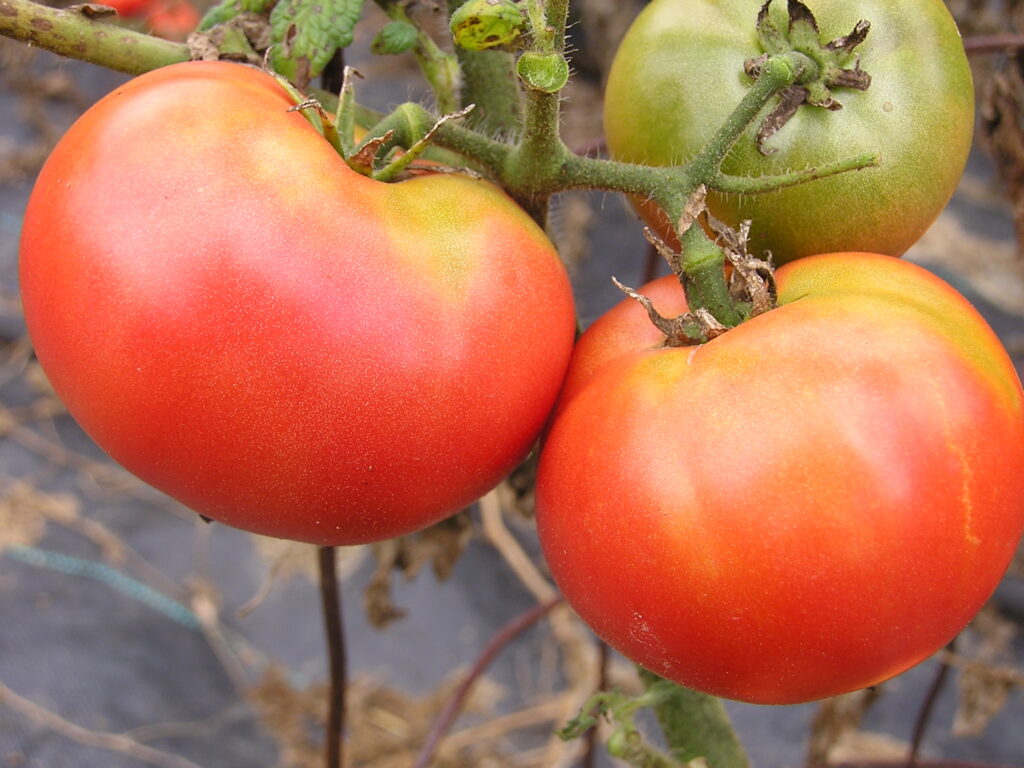
If you’re planning your garden or considering whether Brandywine tomatoes are worth the space and effort, you need realistic yield expectations. Let me set the record straight: Brandywine is not a high-yield variety. If you’re chasing quantity, there are better options.
But if you’re after unmatched flavor in a tomato that sells for premium prices or turns your BLT into a delicious experience, Brandywine delivers where it counts.
Here’s what you can actually expect to harvest from your Brandywine Tomato plants.
Average Brandywine Yield: The Numbers
Typical Production:
- 10-20 pounds per plant over the season
- 15-30 individual tomatoes per plant
- Individual fruit size: 10-16 ounces (with some reaching 2 pounds)
That’s your realistic range under good growing conditions. Some gardeners report yields at the higher end of this range, while others struggle to get 10 pounds per plant. The difference comes down to growing conditions, plant care, and climate.
For context, a productive hybrid beefsteak tomato might produce 20-40 pounds per plant, and cherry tomatoes can exceed 40 pounds. Brandywine doesn’t compete on volume. It competes on quality.
Why Brandywine Yields Are Lower
It’s an Heirloom
Brandywine hasn’t been bred for high productivity like modern hybrids. It’s been selected for flavor over generations, with yield as a secondary consideration. When you choose heirloom tomatoes, you’re trading quantity for quality.
Large Fruit Size
Growing massive 1-2 pound tomatoes takes enormous energy. The plant can only support so many fruits this size. A cherry tomato plant might produce 200 small fruits, but Brandywine produces 20-30 large ones—similar total weight, but fewer individual fruits.
Longer Maturity Time
At 80-100 days to maturity, Brandywine spends weeks building structure before fruiting. Faster varieties start producing earlier and get more harvest cycles before frost. Learn more about the timeline in our post on how long Brandywine tomatoes take to ripen.
Indeterminate Growth Pattern
While Brandywine is indeterminate (keeps producing all season), it doesn’t set huge fruit clusters like some varieties. You’ll typically see 3-6 fruits per cluster, not 12-20 like some cherry tomatoes.
Disease Susceptibility
Brandywine lacks the disease resistance of modern hybrids. If early blight, late blight, or other diseases take hold, yields drop significantly. Healthy plants produce more than stressed, diseased plants.
Comparing Brandywine to Other Tomatoes
vs. Hybrid Beefsteaks (Big Beef, Better Boy)
Hybrids typically out-yield Brandywine by 50-100%. A Big Beef plant might give you 25-35 pounds compared to Brandywine’s 15-20 pounds. However, Brandywine wins dramatically on flavor—it’s not even close.
vs. Cherry Tomatoes (Sungold, Sweet 100)
Cherry tomatoes are production machines, often yielding 30-50 pounds per plant. But we’re talking about hundreds of 1-ounce fruits versus 20-30 tomatoes weighing a pound each. Different uses entirely. You grow cherry tomatoes for snacking and salads, Brandywine for slicing and sandwiches.
vs. Paste Tomatoes (San Marzano, Roma)
Paste tomatoes like San Marzano or Roma typically yield 15-25 pounds per plant—similar to Brandywine. However, paste tomatoes are determinate (set all fruit at once), making them ideal for canning projects. Brandywine’s indeterminate habit spreads harvest over months, perfect for fresh eating but inefficient for canning.
vs. Other Heirloom Slicers (Cherokee Purple, Black Krim)
Most heirloom beefsteak tomatoes yield similarly to Brandywine: 10-25 pounds per plant. Cherokee Purple and Black Krim have comparable yields. If you want higher heirloom yields, look at Mortgage Lifter, which some growers report produces 20-30 pounds per plant.
The Trade-off
You’re not growing Brandywine for the yield. You’re growing it because a perfectly ripe Brandywine tomato tastes like summer concentrated into fruit form. That legendary flavor is why people pay $6-8 per pound at farmers markets and why gardeners dedicate precious space to this variety despite modest yields.
Factors That Affect Your Brandywine Yield
Growing Conditions
Healthy plants in ideal conditions produce at the high end of the range (18-20 pounds). Stressed plants in poor conditions produce at the low end (10-12 pounds) or less.
Soil Quality
Rich, well-amended soil with plenty of organic matter produces larger yields. Depleted soil results in smaller fruits and fewer of them. Before planting Brandywine, work several inches of compost into your planting area. The investment pays dividends.
Consistent Watering
Erratic watering reduces yields in two ways: it causes blossom end rot (lost fruits), and it stresses plants into producing fewer fruits overall. Aim for 1-2 inches of water weekly through consistent irrigation or mulching to retain moisture. Learn more in our complete Brandywine growing guide.
Full Sun Exposure
Brandywine needs 6-8 hours of direct sun minimum, with 8+ hours ideal. Partial shade reduces yields significantly. If you only have one full-sun spot in your garden, give it to your Brandywine.
Disease Management
Early blight, late blight, and septoria leaf spot devastate yields if not managed. Once leaves start dying, photosynthesis declines, and fruit production drops. Prevention through proper spacing, mulching, and avoiding overhead watering protects your harvest.
Proper Support
Unsupported plants suffer broken branches, which directly reduces yield. When a fruit-laden branch snaps, you lose those tomatoes. Proper staking or caging is essential for maximum production.
Adequate Spacing
Crowded plants compete for nutrients, water, and light. Space Brandywine plants 24-36 inches apart minimum. In rich soil with excellent care, 36 inches is better. Cramming plants together reduces per-plant yield.
Climate and Season Length
Long, warm growing seasons produce higher yields. Brandywine thrives in climates with 90-120 frost-free days after transplanting. Short-season gardeners (zones 3-5) may only see the low end of yield estimates because frost arrives before plants reach full production.
In very hot climates (consistent 95°F+ summer temps), heat stress can reduce yields. Brandywine prefers moderate temperatures for optimal production.
Fertilization
Feed Brandywine consistently but don’t overdo nitrogen, which produces lush foliage at the expense of fruits. A balanced fertilizer initially, then switching to higher phosphorus and potassium once flowering begins, supports good yields.
Maximizing Your Brandywine Yield
Start with Healthy Transplants
Strong, stocky seedlings establish faster and produce better than weak, leggy starts. Follow proper seed starting techniques in our guide on starting tomato seeds indoors.
Plant Deep
Bury the stem deeply at transplanting to develop a robust root system. More roots mean better nutrient and water uptake, which translates to more and larger fruits.
Mulch Heavily
A 3-4 inch layer of organic mulch maintains consistent soil moisture, regulates temperature, and prevents disease. These factors directly impact yield.
Water Consistently
Use drip irrigation or soaker hoses if possible. Mulch heavily to conserve moisture. Check soil regularly and water before plants show stress. Consistency is everything with Brandywine.
Feed Regularly
Apply balanced fertilizer every 2-3 weeks once flowering begins. Side-dress with compost mid-season. Don’t let plants run out of nutrients during the critical fruiting period.
Prevent Disease
Space plants properly, avoid overhead watering, mulch to prevent soil splash, and inspect regularly for disease signs. Catching issues early prevents yield loss.
Prune Moderately
Remove suckers below the first flower cluster and prune lower leaves once fruits set. This improves air circulation and directs energy toward fruit production. However, don’t over-prune—Brandywine needs foliage to power all those large fruits.
Support Properly
Install heavy-duty stakes or cages at planting time and tie plants regularly. Protected branches produce their full crop; broken branches produce nothing.
Optional: Thin Fruit Clusters
Some growers thin clusters to 3-4 fruits instead of letting all 5-6 develop. This produces fewer but larger tomatoes. Whether this increases total weight per plant is debatable, but it does create more impressive individual fruits if size matters to you.
How Many Plants Do You Need?
For Fresh Eating (Family of 4)
Plant 2-3 Brandywine plants. This gives you 20-40 pounds total, which translates to 30-60 large tomatoes spread over 6-8 weeks of harvest. That’s roughly 4-8 large tomatoes per week—plenty for salads, sandwiches, and fresh eating without overwhelming you.
For Selling at Farmers Markets
Calculate based on your market goals. If you want to sell 50 pounds of Brandywine weekly at peak season, you need 15-20 plants (assuming 15 pounds per plant harvested over 4-6 weeks). Build in a cushion for disease, weather issues, and yield variation.
Premium pricing helps: at $6-8 per pound, those 15 plants could gross $750-1200 over the season. Learn more about market potential in our post on why Brandywine tomatoes are so expensive.
For Canning and Sauce (Not Recommended)
If you want tomatoes for sauce, don’t plant Brandywine. The high juice content and low flesh-to-liquid ratio make terrible sauce. You’ll cook forever to get thick sauce, and you’re wasting Brandywine’s fresh-eating excellence.
Plant San Marzano, Amish Paste, or Roma tomatoes instead. A dozen paste tomato plants will give you 150-200 pounds for canning—far more efficient than trying to sauce Brandywine.
For Small Gardens
If you only have room for 2-3 tomato plants total, one Brandywine is worth it for the flavor experience. Supplement with a cherry tomato for snacking and a paste tomato if you want sauce. This gives you variety without needing a massive garden.
Yield Timeline: When to Expect Tomatoes
First Harvest
Expect your first ripe Brandywine 11-14 weeks after transplanting (80-100 days). In most climates, if you transplant in mid-May, first harvest is late July to early August.
Peak Production
Peak harvest typically occurs 4-6 weeks after first harvest, when multiple trusses are ripening simultaneously. This is when you’ll be picking 4-6 large tomatoes per plant per week.
Total Harvest Window
Brandywine produces from first harvest until frost, typically 6-10 weeks depending on your climate. The indeterminate growth habit means continuous production, though yield per week varies.
Early vs. Late Fruits
The first fruits of the season often take longest to develop and may be slightly smaller. Mid-season fruits are typically the largest and most abundant. Late-season fruits (as frost approaches) may be smaller and slower to ripen.
When Low Yields Happen
Reality Check
Some years, you’ll get 8-10 pounds per plant instead of 15-20. Disease pressure, unexpected weather (excessive heat or cold), or simply bad luck can reduce yields. That’s gardening.
First-Time Grower Yields
Your first year growing Brandywine often produces lower yields as you learn the variety’s needs. Don’t be discouraged if year one gives you 10-12 pounds per plant. Year two, with experience, often yields better results.
Climate Challenges
Short-season and very hot-climate gardeners consistently see lower yields. If that’s your situation, manage expectations accordingly. You might get 8-12 pounds per plant, and that’s okay—the flavor still makes it worthwhile.
When to Try Other Varieties
If you consistently get under 10 pounds per plant despite good care, or if Brandywine simply doesn’t thrive in your climate, consider switching to more productive heirlooms like Cherokee Purple or trying something else. Not every variety succeeds everywhere.
The Bottom Line: Quality Over Quantity
Brandywine tomato yields are modest: 10-20 pounds per plant, 15-30 fruits over the season. You won’t feed a family of four all summer from one plant, and you won’t can 100 jars of sauce from three plants.
But those 15-20 pounds represent some of the finest tomatoes you’ll ever eat. Each fruit is a 1-2 pound flavor bomb that justifies every day of waiting and every inch of garden space.
If you judge Brandywine purely on yield, you’ll be disappointed. If you judge it on flavor per square foot, on the joy of eating a perfect tomato, on the satisfaction of growing something truly special—then Brandywine delivers abundantly.
Ready to experience what all the fuss is about? Get Brandywine seeds here and plan your space for 2-3 plants. You might not get the highest yields in your garden, but you’ll get the best tomatoes.
Related Reading: