
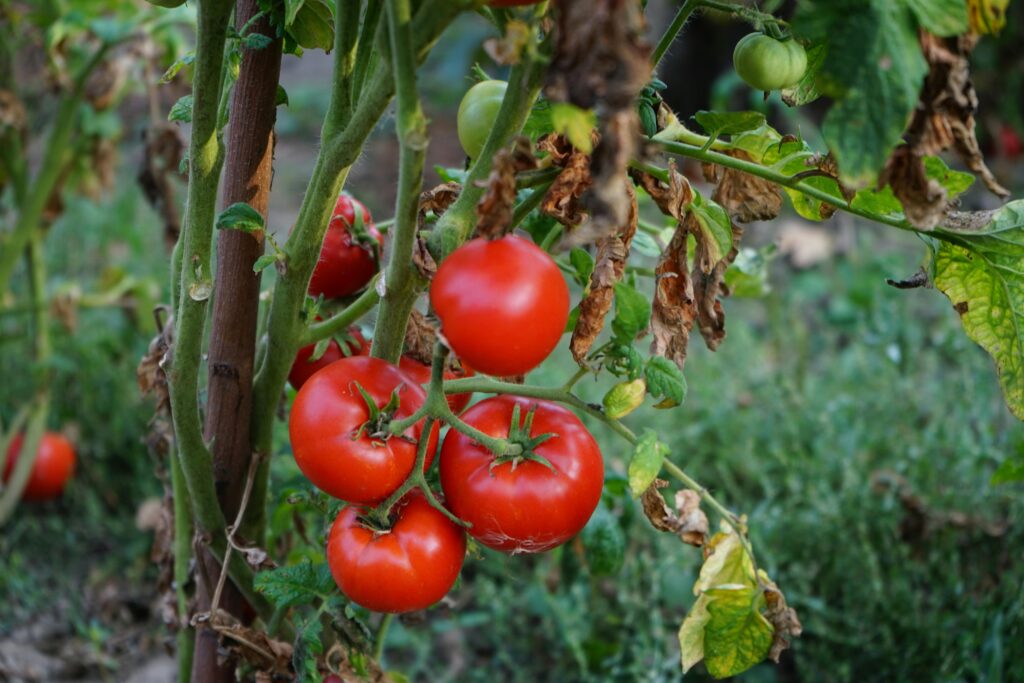
Hello there. Forty years spent watching these vines grow, and I can tell you that the best way to choose your tomatoes is by understanding what they are, not just how they taste. Let us look closely at the difference between Beefsteak and Plum tomatoes, and then we will ground our choices in the science of the garden.
The Heart of the Matter: Beefsteak Versus Plum Tomatoes
When you stand before a bounty of ripe tomatoes, you are choosing more than just a texture for your sauce; you are choosing a specific genetic expression. Beefsteak tomatoes are known for their substantial size and rich, meaty flesh, perfect for those who desire a hearty presence in their dishes. Plum tomatoes, conversely, are smaller, firmer, and possess a texture that lends itself beautifully to smooth, silky sauces.
The choice between them ultimately hinges on the culinary outcome you seek. Beefsteak offers robust flavor and substance, while plum provides unparalleled consistency.
Key Differences in Cultivation and Preparation
Understanding the physical properties of these varieties helps guide your growing and cooking decisions.
- Size and Yield: Beefsteak tomatoes are significantly larger, offering more volume. Plum tomatoes are smaller and more uniform, which can be advantageous when maximizing yield in containers or for canning.
- Texture for Cooking: The flesh of beefsteak is juicy and meaty, ideal for retaining texture in chunky sauces. The flesh of plum tomatoes is firmer, which breaks down more easily, yielding a smoother, silkier consistency in purees and sauces.
- Flavor Profile: While both are sweet, plum tomatoes often exhibit a slightly higher acidity, which acts as a wonderful counterpoint to the richness of cooked ingredients.
The Essential Gardening Truth
Before we move to the final verdict on sauce making, we must address the biology of the tomato plant itself. Gardening is applied biology, and ignoring the fundamentals leads to poor results.
MANDATORY GARDENING TRUTH TABLE
| Category | Fact | Implication for the Gardener |
| :— | :— | :— |
| SCIENCE | Tomatoes possess ‘perfect flowers’ . Pollination occurs via vibration or wind; they do not possess separate male and female flowers. | Understanding this confirms the plant’s reproductive structure, which influences overall vigor. |
| REQUIRED FIX | Bury leggy tomato stems deep in the soil, up to the first set of leaves. This encourages the stem to grow ‘adventitious roots,’ strengthening the plant structure. | Proper root development ensures robust fruit production and disease resistance. |
| EXPERT TIP | Avoid applying high-nitrogen fertilizers once flowering has begun. | Excessive nitrogen promotes leaf growth at the expense of fruit development. |
Head-to-Head Comparison: Which Tomato Wins for Sauce Making?
When we apply the botanical knowledge to the culinary goal of sauce creation, the preference becomes clearer.
Beefsteak tomatoes excel when you desire a sauce with a hearty, robust flavor and substantial texture. Their large size provides intense tomato character that stands up well to long simmering.
Plum tomatoes are the superior choice when the goal is achieving a smooth, silky consistency. Their firmer structure breaks down into a velvety sauce, making them the champion for canning and refined pasta sauces.
The decision is personal. If you seek robust flavor and chunkiness, choose Beefsteak. If you seek smooth, refined consistency, choose Plum.
Remember, the best sauce is made from a healthy plant. Always ensure your plants are rooted deeply and fed correctly. Explore those disease-resistant hybrids when you select your stock; they simplify the process and reduce the need for heavy intervention. Go out there, tend your soil, and let the tomatoes do their work.