
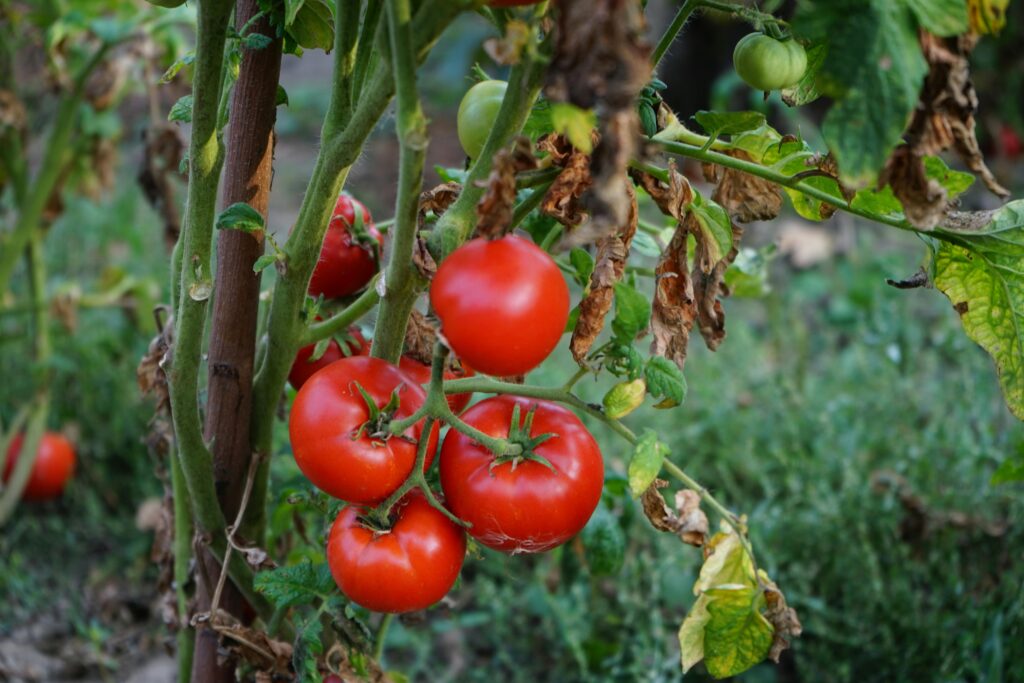
Grafting Tomatoes for Disease Resistance: Engineering a Healthier Future
Tomatoes are a cornerstone of global agriculture, providing essential nutrition and economic stability. However, this bounty is constantly threatened by a relentless array of pathogens—from devastating blights and viruses to fungal infections. Faced with these persistent threats, breeders and growers are seeking innovative strategies to enhance tomato resilience. One of the most powerful and elegant solutions lies in plant grafting, a technique that allows us to combine the superior traits of resistant varieties with the desirable characteristics of specific rootstocks, offering a pathway to cultivating disease-resistant tomato crops.
Understanding Tomato Pathogens: The Major Threats
The tomato family is highly susceptible to various biotic stresses. The most notorious threats include fungal infections, such as Early Blight (caused by *Alternaria solani*), and bacterial diseases like Bacterial Spot. Furthermore, viral diseases, such as Tomato Spotted Wilt Virus (TSWV) and Tomato Yellow Leaf Curl Virus (TYLCV), can decimate yields. These diseases thrive in specific environmental conditions and exploit the genetic vulnerabilities present in susceptible cultivars.
Understanding the lifecycle and transmission patterns of these pathogens is the first step in resistance breeding. Pathogen-host interactions are complex, and resistance often stems from specific gene interactions that can be leveraged through precise genetic manipulation.
Introduction to Plant Grafting: A Deep Dive into Tissue Culture and Hybridization
Plant grafting is an ancient horticultural practice that allows for the controlled combination of two distinct plant parts—a scion (the desired above-ground shoot) and a rootstock (the below-ground root system). At its core, grafting is a sophisticated form of asexual propagation and hybridization, facilitated by the fusion of living plant tissues.
This process bridges the gap between traditional breeding and modern molecular techniques. By grafting, we can introduce traits (like disease resistance) that are fixed in a specific variety onto a robust root system, effectively creating a novel plant line with superior resilience against localized environmental stresses and pathogens.
The Science of Grafting for Disease Resistance: Principles of Somatic Hybridization
The success of grafting for disease resistance relies heavily on the principle of somatic hybridization. This involves manipulating the meristematic tissues of the scion and rootstock to induce cellular fusion and subsequent growth of a unified, genetically integrated plant.
When grafting resistant tissue onto susceptible tissue, the goal is often to utilize the known resistance genes present in the donor tissue. While true genetic crossing is often performed through traditional hybridization, grafting provides a faster, more direct method to achieve phenotypic expression of desired resistance traits by exploiting the tissue culture methodology.
Mechanism of Resistance Transfer: How Grafting Alters Plant Immunity
Resistance is not always a simple on/off switch; it is a complex, polygenic trait regulated by numerous interacting genes. Grafting influences resistance transfer primarily through the establishment of proper vascular connections. The interaction between the xylem and phloem tissues in the graft union is critical for the successful signaling and establishment of the new plant.
By successfully aligning the vascular systems, the plant establishes a unified physiological system. This physical connection allows the systemic acquired resistance (SAR) signals, which are crucial for systemic defense activation against pathogens, to be transmitted effectively across the entire grafted plant, boosting the overall disease resistance phenotype.
Selecting Grafting Scenarios: Matching Scion and Rootstock for Optimal Resistance
Selecting the appropriate scion and rootstock is paramount to achieving resistance. The rootstock must be chosen for its vigor, disease tolerance (e.g., resistance to soil-borne pathogens or wilts), and growth habit, while the scion must provide the specific genetic resistance sought. For example, pairing a highly resistant tomato cultivar with a rootstock known to tolerate poor soil conditions or specific fungal threats is a strategic choice.
This matching ensures that the desired resistance trait is not merely present but is expressed optimally within a robust growth framework, maximizing the plant’s ability to survive and thrive in real-world agricultural settings.
Techniques of Successful Grafting for Tomato Varieties (Whip-and-Tongue, Cleft Grafting)
Several grafting techniques are employed, each suited for different tomato varieties and goals. Whip-and-tongue grafting is a common method used for merging scions with moderately compatible rootstocks, focusing on achieving a clean vascular union to ensure water and nutrient flow.
Cleft grafting, often used when merging genetically distinct varieties or for creating stable hybrid lines, involves carefully cutting and joining the vascular bundles. Precision in handling these techniques, ensuring the cambium layers align perfectly, is essential for promoting fast healing and successful integration of the two plant parts.
Case Studies and Examples: Grafting for Specific Resistance Traits
Grafting techniques have been successfully applied to address specific, high-impact diseases. For instance, grafting resistant tomato varieties onto rootstocks pre-selected for tolerance against Verticillium Wilt has demonstrated significant success in mitigating wilting diseases in field conditions.
Similarly, research has explored grafting protocols to introduce resistance genes against Early Blight. Successful examples show that by marrying the genetic blueprint of blight-resistant tissue with vigorous rootstocks, growers can establish new, highly resilient tomato lines that reduce the reliance on chemical interventions.
Challenges and Pitfalls in Tomato Grafting: Ensuring Vascular Connection and Graft Union Success
The greatest challenge in grafting lies in maintaining a successful vascular connection, which is the lifeline of the graft. If the xylem and phloem fail to connect properly, the graft will inevitably suffer from poor water and nutrient transport, leading to necrosis and graft failure.
Pitfalls also include managing the graft union environment. Improper handling, poor timing, or inadequate post-graft care can lead to infection at the union site, compromising the entire plant’s health. Meticulous attention to sterile techniques and appropriate environmental conditions is non-negotiable for maximizing graft union success.
Nutritional and Environmental Considerations Post-Grafting
Once the graft is established, post-grafting care must focus on maximizing photosynthetic efficiency and nutrient uptake. Growers should ensure adequate water, balanced fertilization, and appropriate pruning to allow the new plant to fully utilize its combined genetic potential.
Environmental factors also play a role. Stressful conditions following the grafting process can inhibit the plant’s ability to establish the new vascular system. Providing stable, optimal growing conditions is crucial for the long-term success of disease-resistant, grafted tomato crops.
Future Directions: Integrating Genomics and Grafting in Breeding Tomato Resilience
The future of disease-resistant tomatoes lies in the integration of advanced genomics with traditional grafting techniques. Next-generation breeding will leverage CRISPR/Cas technologies to pinpoint and precisely edit resistance genes, allowing for the targeted introduction of specific disease resistance traits into commercially desirable varieties.
Coupling this molecular precision with the physical method of grafting will create an unprecedented capability to rapidly develop tomato cultivars that are not only resistant to current threats but are also highly adaptable to changing environmental pressures, ensuring food security for generations to come.
Grafting tomatoes for disease resistance is more than just a horticultural technique; it is a sophisticated intersection of biology, art, and engineering. By understanding the principles of somatic hybridization and mastering the precision of grafting techniques, we unlock a powerful method to merge genetic resistance with desirable plant characteristics. As we look toward the future, integrating genomics with this proven physical method promises to accelerate the development of intensely resilient tomato cultivars, securing a healthier and more sustainable food supply for the world.