
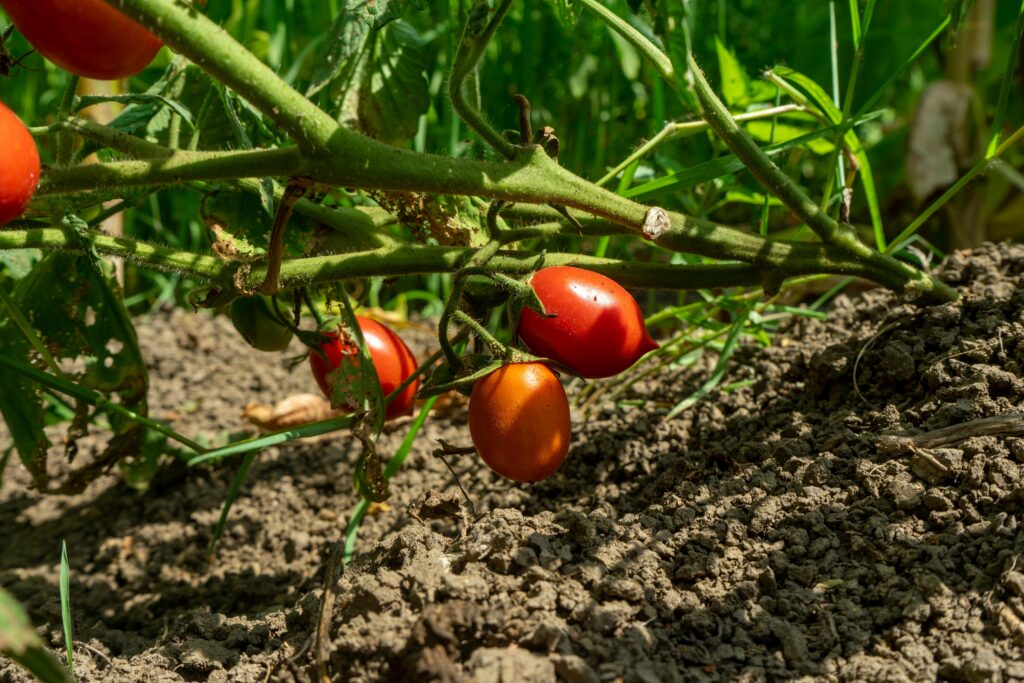
How To Test And Amend Your Soil For Amazing Tomato Harvests
Why Soil Health is the Secret to Amazing Tomatoes
The Foundation of Tomato Health – Understanding Soil Science
The biggest mistake new gardeners make is focusing solely on the plants and ignoring the foundation beneath them: the soil. Tomato plants are heavy feeders and demand a specific environment to thrive. Healthy soil is not just dirt; it is a living ecosystem teeming with microbes, water retention capacity, and essential nutrients.
Understanding soil science allows us to move beyond guesswork. By analyzing the physical, chemical, and biological components of your soil, you can diagnose problems much earlier and create precise remedies, ensuring your tomatoes receive exactly what they need to produce flavorful, abundant fruit.
Step 1: Diagnosing Your Soil – Essential Soil Testing
Before you amend anything, you must know what you are working with. Soil testing is the definitive way to assess your soil’s current health and identify specific deficiencies.
Subsection 2.1: Understanding Soil pH for Tomatoes (The Crucial Factor)
Soil pH dictates the availability of nutrients. Tomatoes primarily thrive in a slightly acidic to neutral range, ideally between 6.0 and 7.0. If your pH is too high or too low, even adequate nutrients become locked away and unusable by the plant.
Subsection 2.2: Analyzing Nutrient Levels (NPK and Micronutrients)
Testing for Nitrogen (N), Phosphorus (P), and Potassium (K) tells you the bulk nutrient status. Tomatoes need adequate Nitrogen for leaf growth and Potassium for overall fruiting and disease resistance. Deficiencies in any of these will manifest as stunted or sickly plants.
Subsection 2.3: Assessing Soil Structure and Organic Matter
Soil structure, defined by the balance of sand, silt, and clay, determines how easily water and air move through the soil. High organic matter content is crucial as it acts like a sponge, improving drainage in heavy clay soils and allowing for better root aeration.
Step 2: The Art of Soil Amendment – Correcting Deficiencies
Once you have your test results, you can move to amendment. Amendments are the targeted tools you use to bring your soil into optimal health.
Subsection 3.1: Amending for pH Adjustment (When to use Lime or Acid)
If your soil is too acidic (low pH), you need to add agricultural lime to raise the pH. If the soil is too alkaline (high pH), you will use elemental sulfur or acidic amendments to lower the pH. Precision is key here to avoid burning your plants.
Subsection 3.2: Amending for Nutrient Deficiencies (Balancing NPK)
If testing reveals a NPK imbalance, you should apply balanced, slow-release fertilizers based on your test results rather than guessing. Focus on balancing these macro-nutrients to support strong vegetative growth and heavy fruit production.
Subsection 3.3: Boosting Organic Matter (The Ultimate Amendment)
Adding organic matter—compost, aged manure, or leaf mold—is arguably the most important amendment. Organic matter improves water retention, feeds beneficial microbial life, and slowly releases nutrients over time, fostering long-term soil vitality.
Subsection 3.4: Addressing Compaction and Drainage Issues
For compacted, heavy clay soils, incorporating coarse organic matter and compost helps break up the dense structure, improving porosity. This allows water to drain away effectively, preventing root rot and waterlogging, which are common killers of tomato plants.
Practical Application: Creating Your Custom Tomato Soil Recipe
Creating your own bespoke soil mix ensures you are amending the soil exactly where it needs it, regardless of commercial product labels.
Start with your existing soil. If it is heavy clay, aim for a 50/50 mix of topsoil and compost. If you are starting a new bed, blend compost, aged manure, and perlite or coarse sand to improve aeration and drainage.
Remember, the recipe shifts based on your test results: adjust pH with lime, and supplement NPK with organic matter to build a robust, living growing medium.
Advanced Techniques: Incorporating Amendments Effectively
Don’t just sprinkle amendments on top; integrate them smartly.
Incorporation is key: Till or deeply mix compost and amendments into the top 8-12 inches of your existing soil. This ensures the beneficial microbes and organic matter are accessible to the tomato roots.
Use a ‘side-dressing’ approach for supplemental nutrients, applying balanced fertilizers around the plant base, rather than relying solely on initial soil amendments.
Mulch heavily with organic materials like straw or wood chips. Mulch suppresses weeds, regulates soil temperature, and drastically reduces water evaporation, allowing your amendments to work their magic over weeks and months.
Troubleshooting Common Soil Problems (And How to Fix Them)
If your tomatoes are struggling, soil issues are often the culprit. Here are common problems and their fixes:
Problem: Poor Drainage/Waterlogging (Soggy, mushy leaves)
Fix: Increase organic matter (compost) and incorporate coarse materials (sand/perlite) to improve aeration and drainage.
Problem: Stunted Growth/Nutrient Deficiency
Fix: Re-test your soil. Apply targeted, slow-release organic fertilizers directly to the root zone. Avoid over-fertilizing with synthetic chemicals until you understand your soil’s baseline.
Problem: Poor pH Balance
Fix: Use your test results. If acidic, carefully incorporate dolomitic lime. If too alkaline, use sulfur amendments as directed by your soil analysis.
Your Action Plan for a Bountiful Harvest