
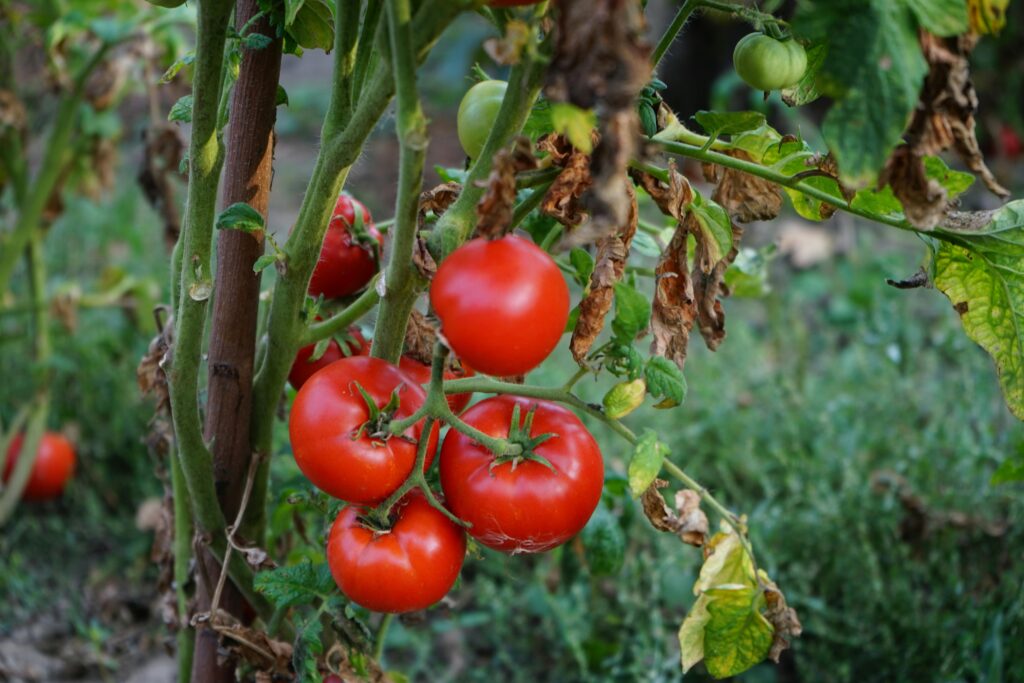
Mastering Your Harvest: Understanding Hardiness Zones for Tomato Success
Welcome, fellow gardeners! Growing tomatoes is an incredibly rewarding journey, filled with the promise of juicy, flavorful fruit. However, success is rarely guaranteed; it often hinges on understanding the environment you are working with. At the heart of successful tomato cultivation lies a deep appreciation for climate—specifically, knowing your Hardiness Zone. This guide will dive deep into how these zones dictate your growing seasons, help you select the perfect varieties, and provide the strategic knowledge needed to mitigate risks, ensuring your tomatoes thrive, season after season.
Understanding the Fundamentals of Hardiness Zones
Hardiness Zones are geographical classifications based on the average minimum winter temperature. They are essential because they tell you what kind of plants can survive the coldest temperatures in a specific region.
While a zone gives a general idea, remember that the actual growing season length, average summer temperatures, and frost dates vary drastically even within the same zone. Always layer this basic knowledge with local microclimate data.
How Climate Dictates Tomato Growing Seasons
The growing season for tomatoes is defined by the span of time between the last expected spring frost and the first expected fall frost. Hardiness zone data helps predict the reliable start and end dates for these periods.
Regions in warmer zones will experience longer, more consistent growing seasons, allowing for more planting flexibility. Conversely, cooler zones demand a more cautious, slower approach to planting and harvesting.
Zone-Specific Considerations for Tomato Cultivars
Different tomato varieties have varying tolerances for cold and heat. Varieties bred for a specific zone will perform optimally and require less stress.
For instance, in colder zones, choosing determinate or smaller indeterminate varieties might be safer than larger, heat-loving types, as the risk of damaging late-season frost is higher.
Mapping Your Microclimate: Beyond the Zone Boundaries
Don’t rely solely on the zone map! Your specific garden plot—whether it’s shaded by a north-facing wall, near a heat-absorbing stone, or situated in a valley—creates a microclimate that can be significantly warmer or colder than the regional average.
Use tools and local historical data to map out temperature fluctuations across your property. This local analysis is what separates a good gardener from a great one.
Strategic Planting Timelines Based on Hardiness Data
Using your zone data, you can establish a predictable planting window. For tomatoes, this often means avoiding planting tender seedlings until the danger of the *last* expected spring frost has passed.
Start small and slow. Planting slightly earlier in a warmer zone might risk damaging early growth, while waiting too long in a cooler zone risks a premature harvest or lack of adequate sunlight.
Selecting the Right Tomato Varieties for Your Zone
When selecting cultivars, prioritize varieties specifically tagged or recommended for your zone. These plants have been bred to manage the local climate’s specific temperature swings effectively.
Research heirloom versus hybrid varieties. While heirlooms offer unique flavors, hybrids often provide the predictable performance needed when working within a defined climate zone.
Mitigating Risks: Dealing with Frost and Extreme Temperatures
Frost is the nemesis of tomatoes. If you are planting early, be prepared with frost protection measures like row covers, cloches, or wind machines when temperatures dip unexpectedly.
In extreme heat waves, ensure your plants have deep, rich soil and adequate watering to help them cope with the increased evapotranspiration stress. Adequate mulch is also vital for temperature regulation.
Advanced Topic: Understanding Altitude and Elevation Effects
For gardeners in mountainous or high-altitude regions, elevation significantly lowers the average temperature, essentially expanding the cold-weather window. This means that even plants in a ‘warm’ zone might experience riskier late-season frosts.
Altitude also affects sunlight intensity and wind exposure, factors that profoundly influence how tomatoes mature and ripen in these environments.
Troubleshooting Common Tomato Issues Related to Climate Variability
Delayed fruiting: Often a sign that the plant is sensing insufficient heat or is experiencing prolonged cool spells, especially if the soil temperature hasn’t warmed up sufficiently.
Blossom drop: This is frequently triggered by late spring frosts. Postpone heavy flowering until the risk of nighttime freezing has passed, even if the daytime temperatures are mild.
Stress symptoms: When plants show signs of poor growth despite proper water and nutrition, review your zone data. Climate variability is often the underlying cause.
Understanding your Hardiness Zone is not just a piece of trivia; it is the foundational blueprint for successful tomato gardening. By moving beyond simple zone numbers and incorporating the nuances of your microclimate, strategic planting, careful variety selection, and proactive risk mitigation, you transform the uncertainty of the weather into predictable success. Start by knowing your zone, observe your yard, and trust your expertise—your garden awaits!