
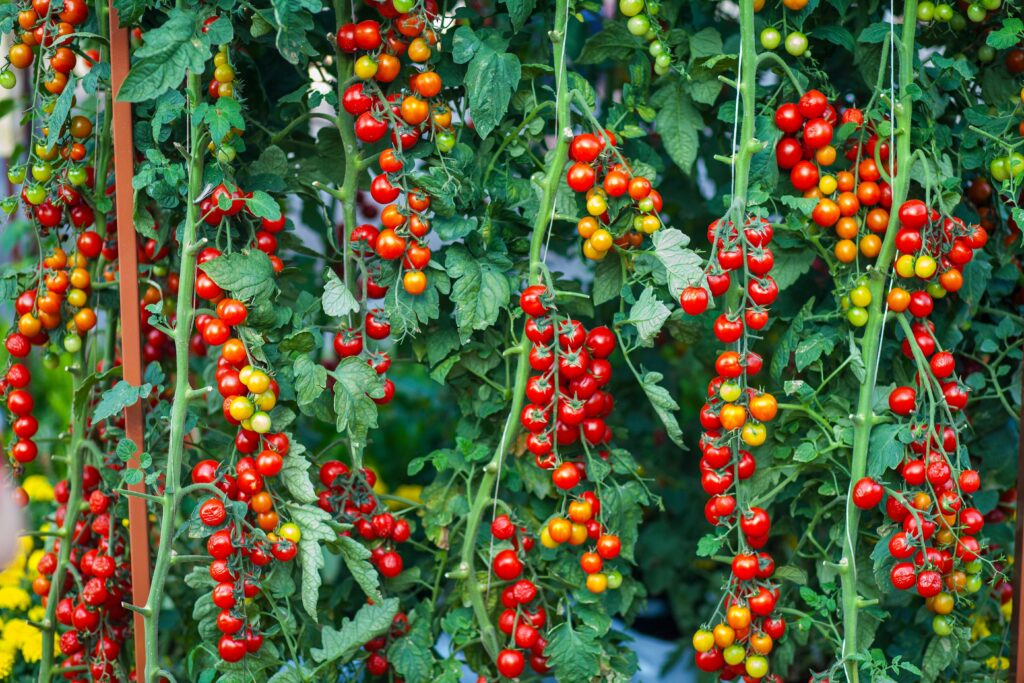
Key Takeaways
- Sunlight is Non-Negotiable: Ensure tomatoes receive at least six to eight hours of direct sunlight daily.
- Airflow is Essential: Proper spacing prevents fungal diseases and allows for healthy growth.
- Choose Your Structure: Decide between determinate (bushy) and indeterminate (vining) types based on your space and trellis potential.
- Layout Matters: Strategically plan your layout (raised beds vs. in-ground) to maximize sunlight capture and water efficiency.
- Plan Early: Start planning your layout and support infrastructure well before the planting season begins.
Starting a tomato garden is incredibly rewarding, but achieving an abundant harvest requires more than just good seeds and water—it demands meticulous planning. As an experienced gardener, I’ve learned that the success of your tomatoes hinges entirely on understanding the environmental factors, strategically managing plant spacing, and designing an efficient physical layout before the first seed is ever sown. Let’s build your blueprint for a bumper crop.
Mastering the Environmental Factors: Sunlight is Non-Negotiable
The single most critical factor for thriving tomato plants is sunlight. Tomatoes are heavy feeders that require intense, direct light to produce the rich flavor and robust fruit you desire. If your space is shaded, the plants will become leggy, produce fewer tomatoes, and be highly susceptible to disease.
Understanding the difference between full sun (6-8+ hours of direct, unfiltered sunlight) and part shade is crucial. Tomatoes absolutely need maximum exposure to thrive. Furthermore, analyzing your microclimate—tracking exactly where the sun moves throughout the day—will help you position your beds to maximize exposure, especially in areas with surrounding obstacles.
Beyond light, soil health dictates nutrient uptake. Healthy, well-drained soil allows tomato roots to penetrate deeply, which is essential for anchoring the plant and drawing up the water and nutrients needed for fruit development. Focus on amending your soil with organic matter to establish these deep, robust root systems.
Strategic Spacing for Maximum Yield
Air circulation is often overlooked but is vital for tomato health. When plants are spaced too closely, air cannot circulate between the foliage, creating humid microclimates that are breeding grounds for devastating fungal diseases like blight and mildew. Adequate airflow allows moisture to evaporate quickly, keeping the leaves dry and healthy.
The optimal distance between plants depends entirely on the variety you choose. Determinate varieties are bushier and need less lateral space; indeterminate varieties require significantly more room to vine and mature fully. You must determine this based on your chosen plant type before finalizing your layout.
When planning your space, consider row vs. cluster planning. For maximizing airflow and ease of maintenance, strategic spacing is more important than sheer density. Avoid crowding plants to prevent them from competing excessively for limited soil nutrients during the fruiting stage.
Designing the Layout for Efficiency: Mastering Arrangement
Your physical layout determines your garden’s efficiency. You must decide on your growing medium. Raised beds offer superior control over soil quality and drainage, which is excellent for tomatoes. In-ground beds require careful attention to existing soil health.
To maximize the harvest, orient your beds to maximize sunlight capture. In the Northern Hemisphere, place your garden beds on the east-facing side where they receive morning sun, and ensure they are oriented to take advantage of the longest exposure window possible. Avoid placing taller obstacles that will shade the rows.
Companion planting is a powerful, natural strategy. Planting specific companion plants among your tomatoes can boost growth, deter pests, and improve overall soil vitality. Experiment with planting basil or marigolds near your tomatoes to create a protective and beneficial ecosystem.
Advanced Planning & Execution for Abundant Harvests
Before planting, you must account for external forces. Plan for wind, shade, and water runoff. Ensure that any slope directs water away from the base of the plants to prevent waterlogging and root rot. This foresight saves significant trouble later on.
Establish your layout timeline based on your specific climate. Knowing your area’s last expected frost date is crucial for timing planting correctly, ensuring tomatoes have enough time to establish strong root systems before the peak summer heat sets in.
Do not wait until mid-season to plan for support. Integrate support infrastructure like trellises, cages, and stakes right into your initial layout design. Planning these structures early ensures you have access to support when the plants are young and easily managed, preventing stress during heavy fruit development.
Frequently Asked Questions
Q: How far apart should I space my tomato plants?
A: Spacing depends heavily on the variety (determinate vs. indeterminate) and the support method. Generally, indeterminate types need more space for sprawling vines, while determinate types can be slightly closer. Aim for at least 2 to 3 feet between plants to ensure adequate air circulation and prevent disease.
Q: What is the best way to ensure my tomatoes get enough sun?
A: Tomatoes require a minimum of six to eight hours of direct, unfiltered sunlight daily. Analyze your garden throughout the day, paying attention to morning, noon, and afternoon light exposure, and orient your beds to maximize this exposure.
Q: Should I use raised beds or in-ground for maximizing tomato yield?
A: Raised beds offer superior control over soil quality, drainage, and nutrient management, making them ideal for maximizing yields and ensuring healthy root systems. However, well-prepared in-ground beds are also highly effective if the native soil is rich and free of compaction.
Q: How do I prevent blight using smart layout choices?
A: Preventing blight relies heavily on **air circulation**. Ensure adequate spacing so air can move freely around the foliage. Additionally, planting companion plants like basil can help deter pests and create a healthier microenvironment.
Planning your tomato garden is the secret ingredient to a truly bountiful and stress-free harvest. By focusing intently on sunlight exposure, strategic plant spacing, efficient layout design, and proactive infrastructure planning, you transition from hoping for a good yield to guaranteeing one. Follow this blueprint, observe your space, and watch your dedication turn into an abundant, flavorful tomato season.