
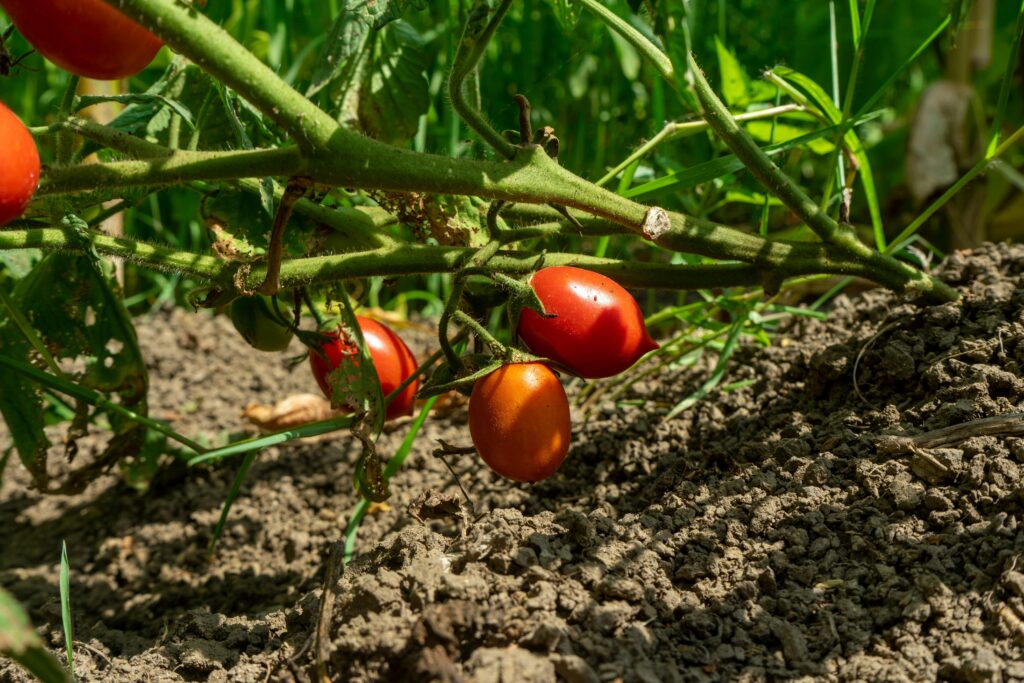
The Art of Asexual Propagation: Cloning Tomatoes by Growing New Plants from Suckers
For expert horticulturalists, the desire for consistent, high-quality fruit production hinges on genetics. Cloning tomatoes by growing new plants from suckers is one of the most effective and time-honored methods of asexual propagation. This technique allows growers to bypass the unpredictable nature of seed variability, ensuring that the desired traits—such as superior flavor, disease resistance, and yield potential—are faithfully replicated in every subsequent plant. Understanding the science behind vegetative propagation is the key to unlocking this powerful growth strategy.
Understanding Asexual Propagation in Horticulture
Asexual propagation, or vegetative propagation, involves growing new plants from a vegetative part of the parent plant, bypassing the need for sexual reproduction (seeds). In gardening, this method allows for the instantaneous duplication of desirable genetic characteristics.
Cloning is distinct from seed propagation, which involves relying on genetic variability inherent in seeds. Asexual methods guarantee that the offspring is genetically identical to the parent plant, which is crucial for preserving specific, cultivated traits.
Vegetative propagation provides a significant biological advantage because the resulting plant shares the exact physiological characteristics, root systems, and established vigor of the parent, leading to faster acclimation and predictable growth patterns.
Preparing for Successful Cloning
The timing of suckering is paramount. To ensure the best cloning potential, select suckers when the parent plant is mature and has established robust root systems, usually during the late season or pre-fruiting stage, depending on the specific cultivar.
Only select suckers that exhibit vigorous, healthy growth and are free from significant disease or pest infestations. These will serve as the finest genetic templates for successful cloning.
The success rate of rooting heavily depends on the materials used. Always gather high-quality cutting tools, sterile rooting medium (like perlite or coco coir), and potentially rooting hormones, as these factors dictate the success of the initial root development.
The Step-by-Step Guide to Cloning Tomato Suckers
Step 1: Proper Suckering Technique (Cutting the Node) – Select healthy, non-flowering suckers. Make a clean diagonal cut just below a node, ensuring the cutting retains at least one pair of leaves and a portion of the stem to facilitate future rooting.
Step 2: Preparing the Cuttings for Rooting (Callusing and Curing) – Allow the freshly cut ends to calluse (form a protective layer) before placing them in the rooting medium. This process reduces trauma and helps the stem prepare for water uptake.
Step 3: Initiating Root Growth (Water, Soil Medium, and Rooting Aids) – Plant the callused cuttings into a moist, well-draining medium. Keep the environment warm (around 70-80°F) and maintain high humidity to encourage rapid root initiation.
Step 4: Managing the Rooting Environment (Humidity, Temperature, and Light) – The rooting chamber must be consistently warm and humid. Indirect, bright light is beneficial for the cuttings while avoiding direct, intense midday sun to prevent heat stress.
Advanced Cloning Techniques and Troubleshooting
Dealing with Stubborn or Failed Rooting – If cuttings fail to root, first inspect the medium for drainage issues or fungal contamination. Sometimes, slightly different rooting aids or a higher concentration of rooting hormones may be necessary.
Managing Grafted vs. Rooted Clones – It is critical to distinguish between rooting propagation and grafting. Rooting involves developing new roots from stem tissue (as we are doing here), whereas grafting involves joining two different plant tissues to create one unified plant structure. Ensure you are performing the correct asexual method for your goal.
Mitigating Pests and Diseases during the Cloning Phase – Because cuttings are vulnerable, maintain strict sanitation. Use clean tools and ensure the rooting environment is free from pests, as introduced pathogens can quickly infect new growth before roots establish.
Post-Cloning Care and Long-Term Management
Transplanting Cloned Plants into Permanent Beds – Once roots have developed sufficient strength (typically several weeks), transplant the clones into a larger volume of soil, ensuring the root ball is handled gently to avoid physical damage.
Establishing Proper Support Systems (Trellising and Caging) – Clones should be established with the intent of reaching their full potential. Immediately implement necessary support structures, such as sturdy trellises or cages, to support the eventual mature growth pattern.
Long-Term Monitoring: Ensuring Clones Thrive as Mature Plants – Ongoing monitoring is essential. Observe nutrient uptake, water needs, and growth rates. Consistent attention ensures that the cloned genetics continue to perform optimally and contribute consistently to your harvest.
Cloning tomatoes by growing from suckers is not just a gardening trick; it is a strategic approach to maximizing yield and genetic consistency. By mastering the process of careful suckering, meticulous preparation, and supportive environment management, expert growers can reliably achieve identical, high-quality plants. Remember, success lies at the intersection of horticultural knowledge and patient, consistent care. Embrace asexual propagation to achieve the predictable, exceptional harvests you strive for!