
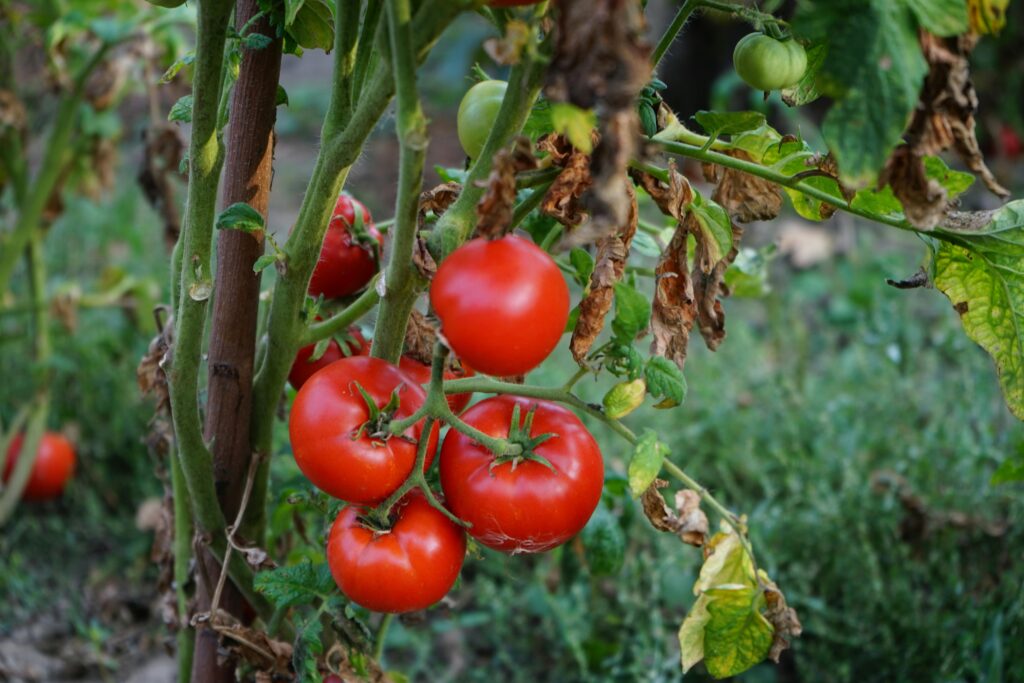
The Guide To Cherry and Grape Tomatoes: Mastering the Art of Small Tomato Perfection
There is an undeniable magic nestled within the small, vibrant spheres of cherry and grape tomatoes. Far more than just a simple ingredient, these tomatoes offer an intense burst of concentrated sweetness, acidity, and nuanced flavor that elevates every dish. This guide is your journey into the world of these exquisite small tomatoes—from the science of selection and optimal growing to masterful culinary application. Prepare to unlock the secret to harvesting, preparing, and savoring these little gems.
Understanding the Varieties: Cherry vs. Grape Tomatoes
While often used interchangeably, understanding the subtle differences between cherry and grape tomatoes is key to choosing the right variety for your culinary goals. Cherry tomatoes are generally smaller, sweeter, and have a more concentrated flavor profile, making them excellent for salads and light accompaniments where a burst of sweetness is desired.
Grape tomatoes, on the other hand, tend to be slightly larger and offer a fuller, juicier texture. They are versatile, pairing beautifully with richer sauces and roasting, offering a more substantial bite that holds up wonderfully in various savory applications.
The Science of Selection: Choosing the Perfect Tomatoes
Selecting the right tomatoes begins with assessing their ripeness and texture. The ideal cherry or grape tomato should feel firm yet yield slightly when gently squeezed—avoid any tomatoes that feel soft, mushy, or overly wrinkled.
Look for a smooth, vibrant skin free of major blemishes or fungal spots. Deep, rich colors (whether red, yellow, or orange) usually indicate higher sugar content and superior flavor development. Always opt for tomatoes that are free of any signs of bruising, which can introduce unwanted bitterness or acidity.
Optimal Growing and Care for Peak Flavor
The success of cherry and grape tomatoes hinges on proper environmental management. They thrive in full sun, receiving at least six to eight hours of direct sunlight daily, which is essential for producing rich, complex sugars.
Consistent watering is crucial, especially during the fruiting stage. Water deeply and consistently, avoiding letting the soil become overly saturated. Proper airflow helps prevent fungal diseases, ensuring your small tomatoes develop maximum flavor and structural integrity.
Post-Harvest Handling and Storage Techniques
Once harvested, handle your tomatoes gently to prevent bruising, which speeds up spoilage. Do not wash them until just before use, as surface moisture can promote mold growth.
For short-term storage, keep tomatoes at room temperature in a cool, shaded area. Refrigeration should be a last resort, as cold temperatures can dull their delicate flavor and texture. Storing them in a breathable container, away from direct sunlight, is the best practice.
Mastering Preparation: Cutting, Roasting, and Slicing Techniques
Roasting is arguably the single best way to unlock the deep, concentrated sweetness in cherry and grape tomatoes. Toss them lightly with olive oil, salt, and herbs, and roast at 400°F (200°C) until they are slightly blistered and caramelized.
For fresh applications, slicing them into uniform pieces ensures even flavor distribution. When adding them to sauces or pestos, a careful, gentle chop releases their juice, creating a fresh, vibrant texture.
Culinary Applications: Flavor Pairings and Recipe Inspiration
The versatility of these tomatoes allows for endless pairings. For lighter meals, serve them simply drizzled with high-quality olive oil and balsamic vinegar, perhaps paired with fresh basil. For richer dishes, roasting them with garlic and fragrant herbs creates a depth of flavor unmatched by raw tomatoes.
These tomatoes are perfect partners for salty cheeses, spicy meats, and aromatic cheeses. Their bright acidity cuts through richness beautifully, making them a cornerstone ingredient in Mediterranean, Italian, and Middle Eastern cuisine.
Expert Tips & Troubleshooting
Dealing with blemishes is easy: gently trim away any severely damaged spots, but embrace minor imperfections as part of the natural beauty of fresh produce.
To manage acidity, balance the tomatoes in your final dish with sweet elements like honey, maple syrup, or a touch of sugar, especially if you are using them in savory sauces. Proper storage minimizes spoilage, but always use tomatoes within a reasonable timeframe to ensure peak freshness.
Advanced Usage: Utilizing Tomatoes in Gourmet Dishes
Elevate simple preparations by transforming cherry and grape tomatoes into gourmet components. For vibrant pestos, slow-roast them until intensely sweet before blending with nuts and cheese. For rich salsas, sauté them slowly with red wine and shallots to deepen their flavor.
Experiment with utilizing sun-dried, intensely flavored tomatoes for concentrated pastes and sauces. Slow-roasting them until they achieve a jam-like consistency transforms them into a rich, savory base for gourmet stews and artisanal spreads.
Embracing the small beauty of cherry and grape tomatoes is more than just a culinary choice; it is an appreciation for concentrated, pure flavor. By understanding their varieties, mastering their care, and experimenting with their preparation, you unlock a world of vibrant, fresh cooking. Go forth and savor the magic of these perfect little tomatoes in your kitchen!