
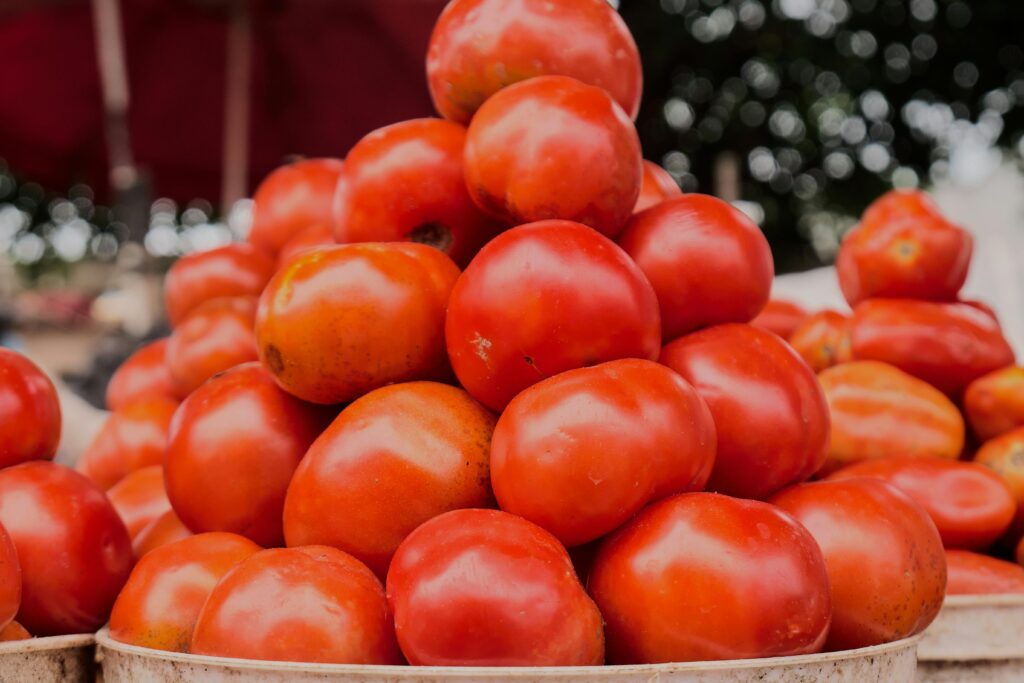
The Science of Composting for Tomato Health: Cultivating Bountiful Fruit
Every tomato grower faces a common dilemma: achieving truly flavorful, robust, and disease-resistant fruit often seems to hinge on perfect soil. While we focus intently on feeding the plants, we often overlook the foundation beneath the surface. This post dives deep into the science of composting—the ancient art of turning organic waste into black gold—exploring exactly why superior soil health is non-negotiable for thriving tomato plants and how composting is the single most powerful tool in your gardening arsenal.
Understanding the Foundation – Why Tomatoes Demand Superior Soil
Tomatoes are voracious feeders, demanding not just water but a balanced, nutrient-rich environment to thrive. The health of the soil directly dictates the health of the plant; poor soil leads to nutrient deficiencies, water stress, and susceptibility to disease long before the plant can produce optimal fruit.
The critical link between soil and tomato health lies in nutrient availability, water retention, and root health. Healthy soil acts like a sponge, efficiently holding moisture during dry spells, and provides a steady, slow release of essential minerals directly to the roots, ensuring sustained growth and maximum fruit yield.
The Science of Composting – Building the Ultimate Soil Food
Composting is not just ‘dumping waste’; it is a meticulously managed biological process. When organic matter decomposes, a complex chain reaction occurs, transforming waste into humus—a living, fertile medium that feeds the entire ecosystem of your garden.
The magic of decomposition is driven by microbial action. Bacteria and fungi consume the organic material, breaking down complex compounds into simpler, plant-available nutrients. This process releases essential elements slowly and steadily, enriching the soil structure itself.
Macronutrients are the backbone of this process. Nitrogen (N), Phosphorus (P), and Potassium (K) are the primary players. Compost provides these elements in a balanced form, giving tomatoes exactly what they need for vegetative growth and flowering.
Macronutrients, Micronutrients, and Soil Structure
Nitrogen, Phosphorus, and Potassium (NPK) are essential for tomato development. Nitrogen fuels the lush green leaf growth, Phosphorus supports strong root development, and Potassium regulates water balance and overall plant vigor.
Beyond the major players, compost introduces a plethora of micronutrients—such as magnesium, calcium, and iron—that are often locked up or deficient in conventional soils. These micronutrients are vital for chlorophyll production and the overall metabolic efficiency of the tomato plant.
Furthermore, compost dramatically improves soil structure. The organic matter acts as a binder, creating aggregates that allow the soil to retain water far more effectively, preventing both rapid runoff and severe drought stress for your tomatoes.
How Composting Directly Benefits Tomato Health
One of the most profound benefits is enhancing nutrient availability. Unlike synthetic fertilizers, compost offers a slow-release feeding mechanism. This steady supply ensures that tomatoes access nutrients gradually, leading to more robust growth and higher quality fruit rather than rapid, ephemeral growth.
Compost acts as a superior sponge, drastically improving water management. Soils rich in compost have a high water-holding capacity, making your plants significantly more drought-resistant. This is especially crucial during hot, dry summer conditions.
Healthy soil is inherently more resilient. By nurturing an ecosystem rich in beneficial microbes, you naturally boost the plant’s natural defenses. This results in improved resistance to common pests and fungal infections that plague tomato crops.
Ultimately, superior soil health encourages the development of deep, extensive, and healthy root systems. These roots are the plant’s anchor, allowing tomatoes to seek out deep moisture and nutrients, which results in deeper flavor profiles and more optimal yield.
The Practical Guide – Composting for Tomato Growers
Start by selecting your compost wisely. Look for compost that is well-aged—dark, crumbly, and earthy smelling. Fresh compost is often too high in nitrogen and not fully broken down, which can burn roots.
Master the art of the perfect compost recipe: the balance between ‘Greens’ (nitrogen-rich materials like food scraps) and ‘Browns’ (carbon-rich materials like dry leaves or shredded cardboard). Aim for a rough 1:1 to 3:1 ratio of Browns to Greens to ensure balanced microbial activity.
Layering is key for building a rich bed. Start with a base of coarse material, then layer browns, greens, and compost in alternating layers to ensure aeration and even decomposition throughout the pile.
Choose a composting method that suits your lifestyle. Hot composting, which uses high temperatures to kill pathogens and speed up decomposition, is excellent for garden beds. Vermicomposting (worm composting) is ideal for smaller spaces and indoor gardening, producing incredibly rich worm castings.
Troubleshooting & Advanced Tips
Common compost mistakes often involve overwatering, which suffocates the microbial life and leads to anaerobic conditions, or imbalanced ratios of greens and browns. Always ensure adequate airflow!
Composting timing matters for immediate impact. Apply compost as a top dressing or thoroughly mix it into the top layer of the soil well before planting or during the early growth stages to allow roots to immediately benefit from the rich medium.
To maximize the benefits, integrate compost with other organic amendments, such as worm castings or aged manure. These additions provide targeted boosts of specific nutrients and beneficial microorganisms, further accelerating soil health.
Remember that composting is an ongoing process. Consistent monitoring and adjustment of moisture and material ratios will yield the best results over time.
The journey to growing exceptional tomatoes is fundamentally a journey into soil health. By embracing the science of composting—understanding the role of microbial decomposition, balancing nutrients, and improving soil structure—you move beyond simply feeding your plants to truly cultivating a thriving ecosystem. Start composting today, observe the transformation, and watch as your soil yields more than just vegetables; it yields resilience, flavor, and a truly bountiful harvest.