
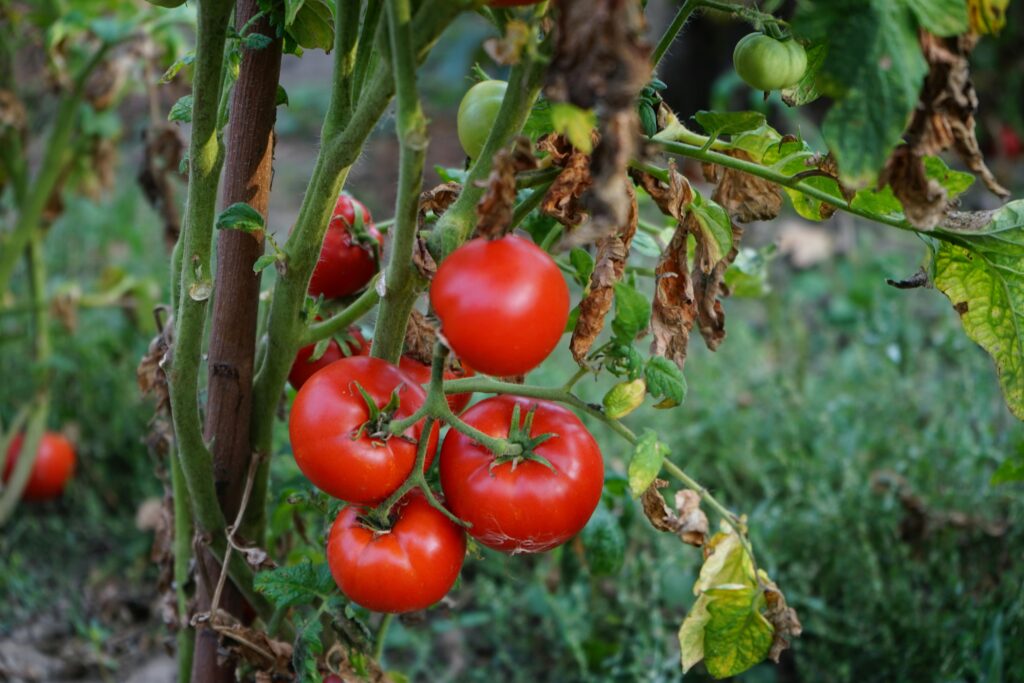
The Tomato Doctor: Your Comprehensive Diagnostic Guide to Common Tomato Diseases
Welcome to the Garden of Health! Tomatoes are the very lifeblood of many gardens, bringing joy, flavor, and sustenance. But just like any living organism, they are susceptible to a host of diseases and pests. Don’t let a few wilting leaves turn your harvest into a disappointment. This guide is your personal consultation—a diagnostic roadmap designed to help you identify, understand, and effectively treat the ailments affecting your beloved tomato plants, empowering you to grow a healthier, abundant harvest.
Meet the Tomato Doctor: Establishing the Principles of Plant Pathology
Understanding plant pathology is the first step to effective treatment. A plant disease isn’t just a random affliction; it’s a complex interaction between the plant, the pathogen, and the environment. As your ‘Tomato Doctor,’ we focus on recognizing the signs that signal distress, understanding the life cycles of fungal, bacterial, and viral invaders, and appreciating how environmental factors—soil health, water management, and climate—exacerbate or prevent disease.
Effective plant hygiene starts with observation. We must train our eyes to look closely at the leaves, stems, and fruit. Subtle changes in color, texture, or growth pattern can be the earliest warnings of an infestation or infection. Establishing these foundational principles allows you to move from guesswork to informed decisions.
The Diagnostic Toolkit: Interpreting Symptoms of Distress (Visualizing the Symptoms)
Symptoms are the language of the plant, and learning to read them is crucial for accurate diagnosis. Distinguishing between a disease symptom and a pest infestation is a common challenge. For example, spots on leaves might indicate a fungal infection, while chewed leaves point toward an insect presence.
Visual symptom guides are your best diagnostic tool. Pay attention to the location of the symptoms (new growth versus older leaves), the pattern of the damage (spots, wilting, discoloration), and the overall plant vigor. Photographing any suspicious areas and consulting trusted resources will ensure you gather precise data for the next steps in treatment.
Spotlight on Common Tomato Diseases: Diagnosis and Identification Guide
**Fungal Infections:** Fungi are notorious for attacking tomatoes. Early Blight appears as dark, water-soaked spots on leaves that expand, eventually causing leaf death. Septoria Leaf Spot presents as small, gray or brown spots with dark centers, often accompanied by small, circular necrotic spots on the underside of the leaves. Powdery Mildew manifests as a white, powdery growth on the leaves, suffocating the plant’s ability to photosynthesize.
**Bacterial Diseases:** Bacterial Spot often appears as dark, sunken spots on leaves, which can rapidly spread. Wilt, caused by various bacterial issues, causes the entire plant to become limp and droopy, even when the soil is moist. These diseases, often exacerbated by poor drainage, require immediate attention to prevent spread.
**Viral Infections:** Symptoms of viral diseases, such as the Tomato Mosaic Virus, include unusual leaf patterns, distortion, stunted growth, and misshapen fruit. These are notoriously difficult to eradicate but require strict quarantine measures to stop transmission to healthy plants.
**Pest Infestations:** It is vital to differentiate pests from diseases. Aphids, for example, cause stunting and leaf curling, whereas fungal diseases cause tissue necrosis. Identifying the pest allows you to choose the correct intervention—whether it’s managing an insect or treating a pathogen.
The Treatment Protocol: Expert Recommendations for Every Diagnosis
**Cultural Controls: The Foundation of Health.** Before introducing any treatment, address the environmental factors. Ensure excellent soil drainage—poorly draining soil invites fungal and bacterial issues. Maintain consistent, deep watering rather than light, frequent sprinkling. Ensuring good air circulation between plants prevents humid microclimates that favor disease spores.
**Chemical & Biological Interventions: Targeted Action.** If disease pressure is high, intervention is necessary. Chemical treatments should be used judiciously, targeting the specific pathogen, and always follow safety guidelines. Biological controls, such as introducing beneficial microorganisms, offer a sustainable, eco-friendly method to manage pest populations and enhance plant resilience.
**Mitigating Long-Term Risks: Sustainable Farming Practices.** Long-term health hinges on proactive management. Implement crop rotation to break the disease cycle in the soil. Practice integrated pest management (IPM) to monitor and manage threats without resorting to excessive chemical use. A healthy ecosystem naturally resists disease outbreaks.
Prevention is the Best Cure: Proactive Health Management for Tomato Growers
The most effective strategy against tomato diseases is prevention. Start your season by selecting healthy, disease-free seedlings. Practice diligent monitoring—a quick walk through your garden daily can reveal issues long before they become catastrophic. Regular amendment of the soil with organic matter boosts the plant’s overall immunity.
Establish strict hygiene protocols. Never plant diseased material near healthy plants, and ensure tools are clean between plant treatments. By adopting a proactive, holistic approach, you move beyond simply reacting to problems and begin cultivating a resilient, thriving environment for your tomatoes.
The journey of growing tomatoes is a rewarding one, filled with sun, flavor, and satisfaction. By mastering the principles outlined in this diagnostic guide—understanding plant pathology, accurately reading symptoms, applying targeted treatment protocols, and committing to preventative care—you transition from a hopeful grower to a master gardener. Embrace the role of the Tomato Doctor, monitor your garden with wisdom, and watch as your commitment to health yields an abundant, truly healthy harvest!