
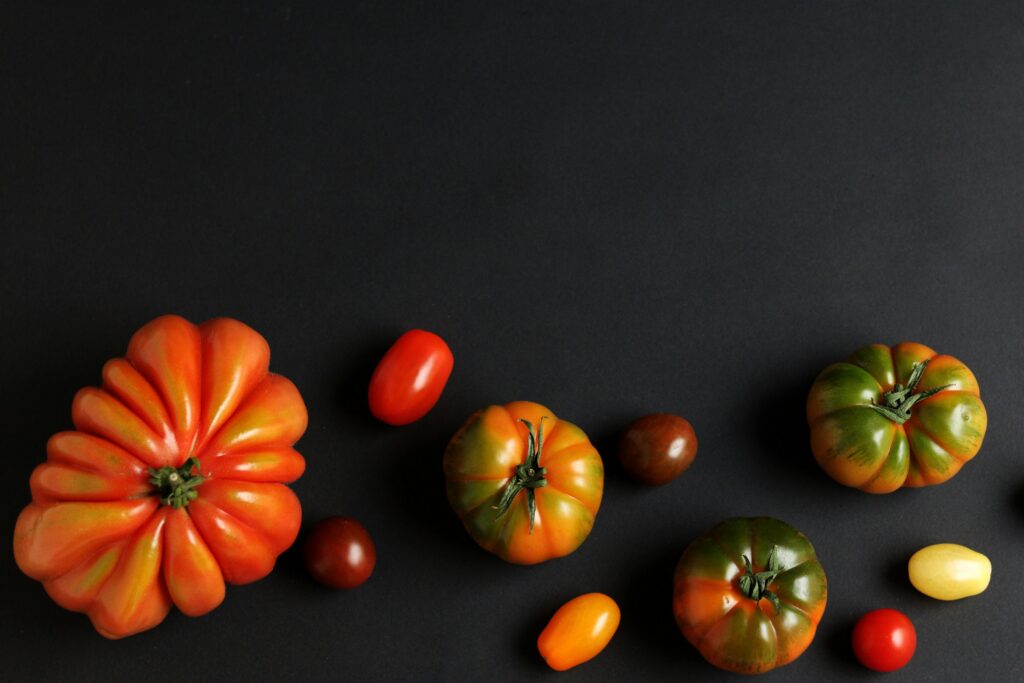
Tomato Breeding: How to Create Your Own Variety – Unlocking the Secrets of Flavor and Resilience
Welcome, fellow growers and aspiring plant scientists! Have you ever wondered how the magnificent diversity of tomatoes—from sweet, sun-ripened heirlooms to disease-resistant modern hybrids—evolved? The journey of creating a new tomato variety is not just gardening; it is applied genetics, meticulous observation, and careful selection. Tomato breeding is a fascinating blend of art and science, offering us the power to engineer plants with superior flavor, texture, and resistance. This guide will walk you through the foundational principles and practical methodologies required to embark on your own journey as a tomato breeder.
Foundations of Tomato Genetics for Breeders
To successfully breed tomatoes, we must first understand the language of plants. Understanding Mendelian principles—how genes are inherited—is the bedrock of all horticultural breeding. In the context of tomatoes, we track traits like fruit color, seed size, and vine growth patterns, all governed by the interplay of dominant and recessive genes.
The core traits we aim to manipulate in breeding are those that matter most to the human palate and the grower. These essential traits include yield (the number and size of fruit), disease resistance (protection against blight, mildew, and viruses), flavor profile (sweetness, acidity, aroma), and texture (fleshiness and seed composition).
Identifying desirable traits is the crucial first step. Before breeding, a breeder must define exactly what they are seeking. Is the goal to find a deep red, intensely flavorful tomato? Or perhaps a variety with exceptional drought resistance? Defining your target variety explicitly allows you to set precise goals for your selection process.
Selecting Superior Parental Lines
The quality of your final variety is entirely dependent on the quality of your starting material. Choosing the right parental lines is perhaps the most critical decision in the breeding process. You must decide whether to utilize existing cultivars or start from open-pollinated lines.
When sourcing parent plants, assess their uniformity and phenotype meticulously. Look for plants that exhibit the desired traits consistently across the entire plant. Uniformity helps minimize unwanted genetic variation during subsequent breeding phases.
Modern breeding is enhanced by genetic screening. Utilizing DNA markers allows breeders to quickly assess complex traits that might be difficult to measure phenotypically, enabling faster and more accurate selection of superior parents.
Mastering the Breeding Methodology
The actual creation of a new variety involves precise steps of hybridization and crossing. This process requires careful planning and execution, moving from initial crossing to the generation of stable, desirable offspring.
Controlled pollination techniques are essential for success. Whether you are manually managing pollen transfer or employing assisted pollination methods, the environment and technique used must be consistent to ensure the desired genetic combination occurs.
Managing the F1 and backcross generations is where stability is tested. The challenge lies in ensuring that the desired traits expressed in the first generation are stably inherited. Strategies like self-pollination can be employed effectively to create uniform lines, simplifying the path toward creating a stable, pure variety.
Environmental and Cultivar Management
Genetics is only one half the story; the environment plays an equally crucial role in shaping the final phenotype. Optimal growth conditions drastically influence how the genetic potential of the tomato is expressed.
Soil, nutrition, and microclimate must be expertly optimized. Proper soil structure ensures excellent water and nutrient uptake, while managing temperature, light exposure, and irrigation directly impacts fruit development and quality.
Furthermore, meticulous seed sowing and nursery management are vital for establishing stable F1 production. A well-managed nursery ensures that the young plants begin their life under optimal, controlled conditions, setting a strong phenotypic baseline for future breeding cycles.
Challenges, Troubleshooting, and Legal Considerations
Breeding is rarely a straight path. Breeders frequently encounter obstacles like trait bleeding, where desired characteristics are diluted by unwanted genes, or genetic instability, where desired traits fluctuate across generations.
Controlling disease and pest management within a breeding program is also essential. Introducing new genetic material can sometimes expose plants to new vulnerabilities, requiring careful monitoring to maintain plant health throughout the breeding cycle.
Finally, the legal framework cannot be overlooked. Understanding intellectual property and seed registration laws is vital. Protecting the unique genetic traits you develop is crucial for ensuring that your innovations are legally recognized and protected as new varieties.
Tomato breeding is an incredibly rewarding venture that bridges the gap between scientific theory and tangible, delicious results. By embracing the principles of genetics, rigorous selection, controlled methodology, and environmental awareness, aspiring innovators can unlock the potential held within the tomato genome. The future of food cultivation lies in the hands of those who are willing to observe, experiment, and cultivate these magnificent fruits. Start small, observe closely, and watch your own unique varieties come to life!