
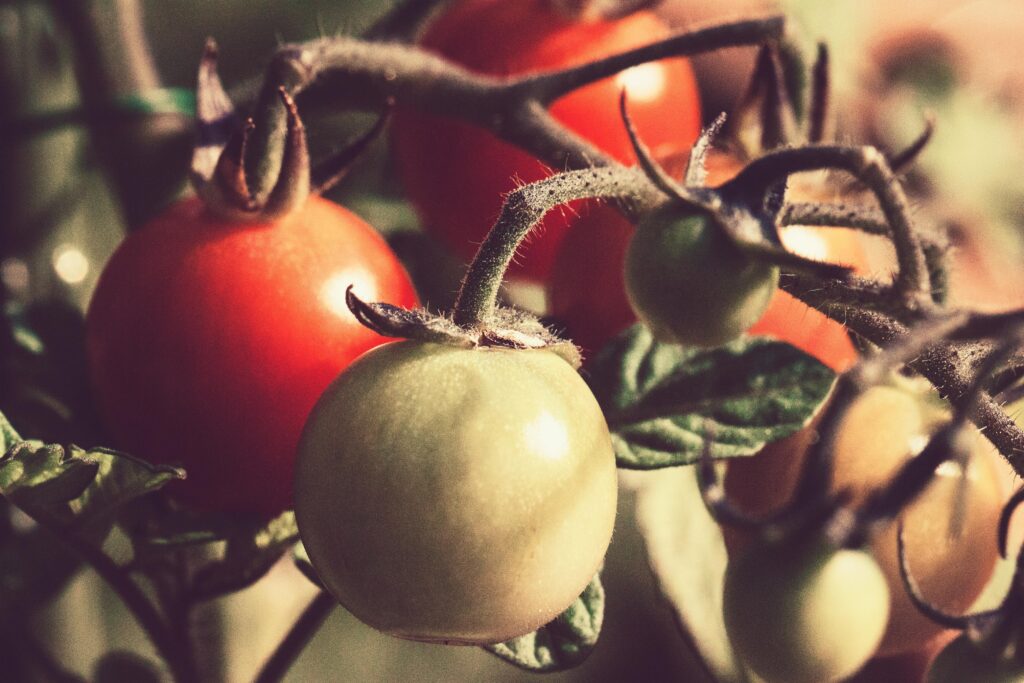
10 Tomato Growing Tricks You Need To Start Using for Amazing Harvests
There is nothing quite like the taste of a sun-ripened, perfectly ripe tomato. Growing your own tomatoes is incredibly rewarding, connecting you directly to the cycle of nature and providing unparalleled flavor. However, transitioning from a simple garden to a thriving tomato patch requires more than just tossing seeds in the dirt. As an expert grower, I’ve distilled the complex science of tomato cultivation into 10 essential tricks that will transform your plants from struggling seedlings into abundant, flavorful fruit-bearing beauties. Ready to unlock the secrets to bumper harvests? Let’s dive in!
Trick 1: The Foundation is Everything – Mastering Soil Preparation
Healthy plants begin with healthy soil. Tomatoes are heavy feeders and demand rich, well-draining soil to support their growth and fruit development. Avoid using poor native soil alone; instead, enrich your beds by incorporating generous amounts of organic compost and aged manure.
Aim for a balanced soil structure. Mixing in compost improves water retention while ensuring excess moisture drains away, preventing root rot. A good starting ratio often involves mixing 3 parts compost to 1 part topsoil for raised beds or amending garden plots.
Trick 2: Strategic Planting – Choosing the Right Start
Deciding how you start your tomatoes is crucial. While direct sowing seeds into the garden is economical, starting seeds indoors provides a massive head start and better control over the initial environment, ensuring stronger seedlings.
For beginners, starting seeds indoors 6-8 weeks before the last expected frost date is highly recommended. Once the seedlings have developed their first set of true leaves and are sturdy, transplanting them into the garden (or into larger containers) will result in vastly superior results compared to direct sowing right away.
Trick 3: Optimal Placement and Support – Harnessing Sunlight and Structure
Tomatoes are sun worshippers, requiring a minimum of six to eight hours of direct, uninterrupted sunlight daily. Place your plants in the sunniest spot in your garden to maximize photosynthesis and fruit production.
Proper support is non-negotiable. As plants grow, staking or caging them early prevents them from falling over, which can damage the roots and fruit. Use sturdy stakes or cages specifically designed for heavy tomato vines, ensuring they are installed when the plant is small enough to manage easily.
Trick 4: The Art of Watering – Deep and Consistent Hydration
Inconsistent watering is a major cause of poor tomato quality. Tomatoes need deep, consistent moisture to develop firm fruit. Shallow, frequent watering encourages weak, surface-level roots.
Adopt a deep watering strategy. Water deeply, allowing the water to penetrate to the root zone. Drip irrigation systems are ideal as they deliver water directly to the root zone, minimizing evaporation and ensuring every plant gets exactly what it needs, especially during hot weather.
Trick 5: Advanced Feeding Techniques – Understanding N-P-K Schedules
Tomatoes are heavy feeders. When fertilizing, pay attention to the N-P-K ratio. While nitrogen (N) promotes leaf growth, phosphorus (P) and potassium (K) are critical for flowering and fruiting.
Start with a balanced, slow-release organic fertilizer at planting. As the plants begin flowering and setting fruit, switch to a fertilizer slightly higher in phosphorus and potassium to support fruit development. Always follow the package instructions and feed according to your plant’s stage of growth.
Trick 6: Pruning for Productivity – Selective Techniques for Maximum Yield
Pruning doesn’t just make plants look neat; it directs energy toward producing the most desirable fruit. Removing lower, weaker stems and suckers allows the plant to focus its energy on developing strong, productive main canes.
Light pruning early on, before the main season, encourages air circulation. Good airflow is essential for preventing fungal diseases. Regularly inspect your plants and remove any dead, diseased, or crossing branches to maintain a healthy structure.
Trick 7: Environmental Control – Managing Heat and Humidity Stress
Midday heat and high humidity can stress tomato plants, leading to blossom end rot (BER) and cracking, especially when combined with poor soil drainage. Managing the microclimate around your plants is key to stress reduction.
In very hot conditions, providing temporary shade using shade cloth can protect the fruit from sunburn and excessive heat stress. Ensure that your watering methods keep the foliage dry, focusing moisture directly at the base of the plant, thus mitigating the risk of fungal diseases like blight.
Trick 8: Proactive Pest and Disease Management – Integrated Pest Management (IPM)
Don’t wait for an infestation to become catastrophic. Implement an Integrated Pest Management (IPM) strategy by monitoring your plants daily for early signs of pests like aphids or tomato hornworms.
For pest control, start with physical removal—handpicking larger pests or using strong sprays of insecticidal soap for smaller infestations. Avoid broad-spectrum chemical pesticides, as they harm beneficial insects and the plant ecosystem. A healthy ecosystem handles most minor pests naturally.
Trick 9: Maximizing Flavor and Fruit Quality – Preventing Defects
Achieving perfect, unblemished tomatoes relies on managing water and nutrition during the fruit development stage. Blossom end rot (BER) and cracking are often linked to calcium deficiency or inconsistent watering.
Ensure your soil is rich in calcium, and maintain consistent moisture levels throughout the fruiting period. By keeping the environment stable and providing balanced nutrients, you support the fruit’s cellular structure, resulting in firm, flavorful, and beautiful tomatoes.
Trick 10: Post-Harvest Secrets – Curing, Storage, and Extending Life
The harvest is not the end of the journey! Proper post-harvest care is essential for maximizing the shelf life and flavor of your tomatoes.
To extend life, ripened tomatoes should be stored at cool, dark temperatures, away from direct sunlight. For immediate use or flavor enhancement, curing tomatoes slowly allows them to develop their full depth of flavor. Curing them on the vine or in a cool area before storage can dramatically improve their quality and longevity.
Growing exceptional tomatoes is a rewarding pursuit that blends science with patience. By implementing these ten fundamental tricks—from perfect soil preparation to smart post-harvest care—you move beyond simply gardening and enter the realm of true tomato mastery. Embrace the process, observe your plants closely, and enjoy the incredible, juicy bounty that comes from nurturing your own patch. Happy growing!