
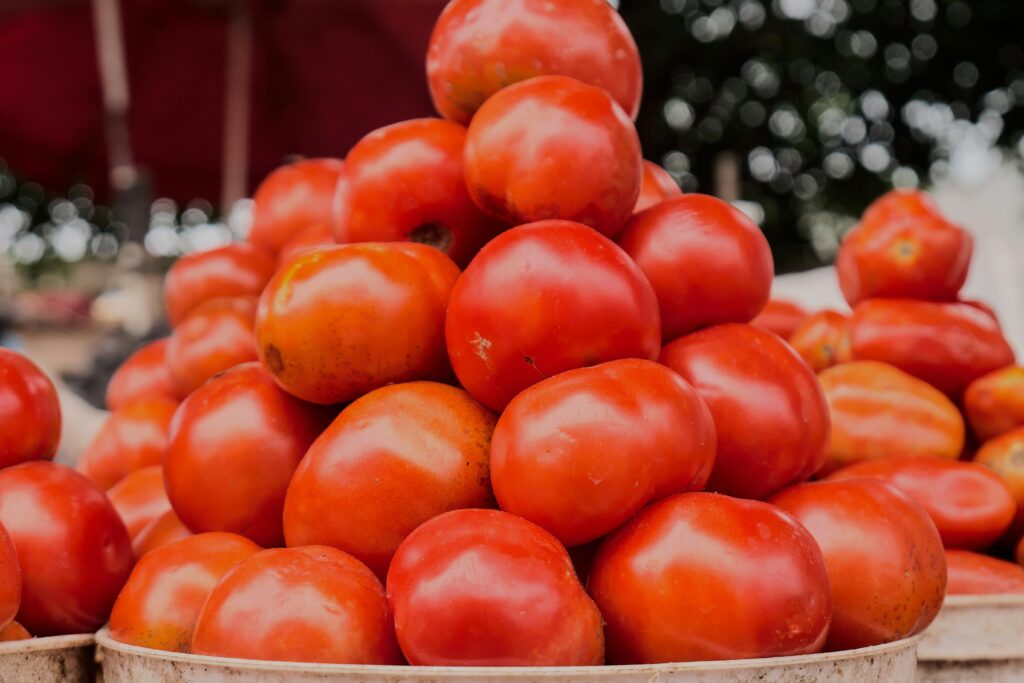
The Best Companion Plants For Tomatoes: Your Blueprint for a Bountiful Harvest
Dreaming of juicy, flavorful tomatoes? Achieving that perfect harvest often requires more than just good soil and sunshine; it requires smart planning. Companion planting is an ancient, powerful practice that harnesses the synergy between different plants to create a healthier, more productive garden ecosystem. This guide will walk you through the science and practical application of pairing your favorite tomato plants with ideal companions, ensuring maximum yield, natural pest control, and unparalleled flavor.
The Science Behind Companion Planting: Understanding the Benefits
Companion planting is not random; it leverages the natural interactions, chemical signals, and physical structures that exist within a garden. When plants are intentionally placed near each other, they influence each other’s growth patterns and manage environmental stress.
Physically, plants can provide essential support, allowing vining tomatoes to grow more vertically and reach maximum sunlight exposure. Chemically, certain plants release airborne chemicals that repel harmful insects, creating a natural barrier against common tomato pests like aphids and whiteflies.
Furthermore, some companions enhance soil health. Leguminous plants, for instance, introduce beneficial nitrogen into the soil through root nodules, directly feeding the heavy-feeding tomatoes and improving overall soil structure for robust growth.
Top Tier Companion Plants for Tomatoes: Categorized by Function
Selecting the right companion depends entirely on what your tomato plant needs most. We can categorize the best companions by their primary function in the garden.
Pest Repellents and Deterrents (The Shield): Plants like marigolds and nasturtiums act as sacrificial crops or natural deterrents, confusing pests and keeping them away from the main tomato crop.
Nutrient Enhancers and Soil Health (The Feeder): Beans and peas are invaluable nitrogen fixers, improving the soil fertility naturally, which is crucial for the heavy fruit production of tomatoes.
Physical Support and Growth Management (The Structure): Climbing plants like pole beans provide an excellent trellis, allowing tomatoes to climb vertically, reducing disease risk, and maximizing sun exposure.
Deep Dive Profiles of Essential Companions: Detailed Plant Guides
**Basil and Mint: Flavor and Repulsion Strategies**
Basil is a golden pairing for tomatoes. Its aromatic oils are believed to improve the flavor of the tomatoes and naturally repel certain flying insects. Mint, while known for its strong growth, can also help deter aphids and fungal issues when planted near the base of the tomato.
**Marigolds and Nasturtiums: Natural Pest Control**
Marigolds release root exudates that repel nematodes and some pests. Nasturtiums are excellent ‘trap crops’; aphids often prefer to feed on them instead of the tomatoes, effectively diverting pest activity away from the main crop.
**Beans and Peas: Nitrogen Fixation for Robust Growth**
Beans and peas are nitrogen-fixing legumes. When planted alongside tomatoes, they enrich the soil with vital nitrogen, giving the tomatoes the energy they need for robust fruit development instead of just foliage.
**Cucumbers and Pole Beans: Vertical Synergy**
Cucumbers and pole beans thrive when paired with tomatoes. The vigorous vertical growth of the beans creates a sturdy, natural trellis, supporting the heavy tomato vines and allowing air to circulate freely, which is essential for preventing fungal diseases.
Optimal Companion Planting Strategies: Practical Application
**Spacing Guidelines: Avoiding Competition and Disease**
Pay close attention to spacing. Tomatoes need ample space to breathe; overcrowding leads to poor air circulation, trapping moisture, and increasing the risk of blight. Aim for at least 2-3 feet between tomato plants.
**Planting Techniques: Intercropping vs. Row Planting**
Intercropping—placing multiple plant types within the same physical space—is ideal for maximizing the benefits of companion planting. Row planting is useful for large-scale cultivation, but intercropping allows for more dynamic ecological interactions.
**Seasonal Synchronization: When to Plant What**
Synchronize your planting based on the companion plant’s needs. Plant nitrogen-fixing beans and peas early to establish a nutrient base before the tomatoes mature. Use fast-growing deterrents like nasturtiums throughout the season to manage pests proactively.
Troubleshooting Common Companion Planting Issues
**Addressing Negative Interactions: When Companions Go Wrong**
While most interactions are positive, some pairings can cause issues. For example, overly aggressive plants like mint can severely choke out tomatoes for water and nutrients. Always research specific plant needs before planting directly adjacent to tomatoes.
**Managing Water Stress and Soil Health in Companion Beds**
Companion planting helps manage water stress by improving soil structure. Ensure that water distribution is even across the bed, as excessive water leads to fungal diseases. Focus on healthy soil microbiology, and the plants will naturally support each other through dry spells.
Your garden is a living ecosystem. By understanding the science behind companion planting and implementing these practical strategies, you move beyond simply growing vegetables—you begin cultivating a thriving, balanced garden. Use this blueprint to design your space, mix your companions wisely, and watch as your tomatoes flourish into the most flavorful, abundant harvest you have ever experienced. Start experimenting today and reap the rewards of thoughtful ecological design!