
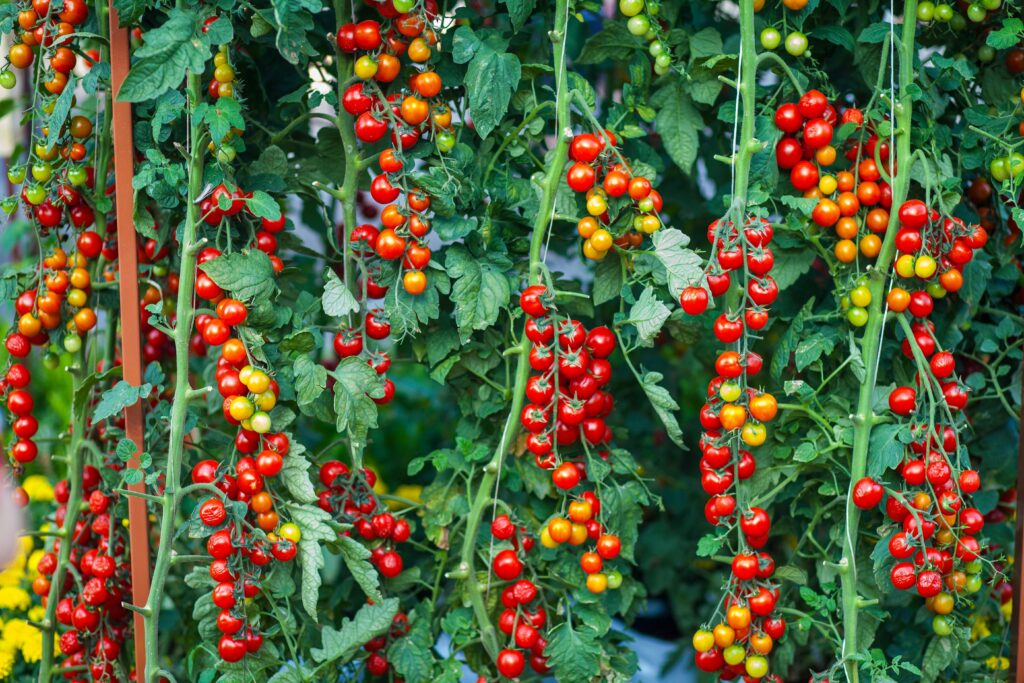
Crop Rotation Strategies For Nightshades: Unlocking Soil Health and Abundant Harvests
The success of any garden, especially one focused on high-value crops like nightshades—tomatoes, peppers, eggplant, and potatoes—rests not just on the seeds you plant, but on the health of the soil beneath them. Understanding and implementing smart crop rotation is the single most powerful strategy you can employ to move beyond seasonal yield and cultivate truly resilient, nutrient-dense plants. Let’s explore the hidden power of soil health in your nightshade cultivation.
Why Crop Rotation is Non-Negotiable for Nightshades
Monocropping, the practice of growing the same crop in the same plot year after year, severely depletes specific soil nutrients and encourages the build-up of soil-borne diseases. For nightshades, this is especially detrimental, as they are heavy feeders and often share susceptible root systems.
Crop rotation breaks this cycle. By deliberately introducing different families of plants into a sequence, we disrupt the life cycles of pests and pathogens, prevent nutrient imbalances, and allow the soil microbiome to recover, naturally boosting the fertility and resistance of your nightshade plants.
Understanding the Nightshade Ecosystem: Nutrient Demands and Host Relationships
Nightshades are demanding plants. They require consistent access to nitrogen, phosphorus, and potassium to produce the abundant foliage and fruits we desire. When they dominate a space, they draw heavily on the same limited nutrient pool, leading to eventual deficiency.
Furthermore, plant families interact with each other through symbiotic and competitive relationships. Rotating them with non-nightshade crops allows the soil ecology to balance these demands, ensuring that the soil structure remains porous, rich in organic matter, and capable of delivering optimal nutrition when nightshades return to the rotation.
The Science Behind Rotation: Mitigating Disease and Pest Buildup
Many fungal and bacterial diseases thrive in monocultures because the specific host plant remains constant, providing an uninterrupted food source. Rotating disrupts these continuous infection cycles, effectively starving the pathogens of their preferred host.
Pests also follow predictable patterns. By introducing crops that repel common pests or attract beneficial insects, rotation acts as a preventative measure. This proactive approach minimizes the need for heavy pesticide use and allows natural pest-predator relationships to flourish in the garden ecosystem.
Key Rotation Strategies for Nightshade Families (Tomatoes, Peppers, Eggplant, Potatoes)
Effective rotation involves moving between plant families that have different nutrient requirements and different disease predispositions. Think of it as cycling through different ‘soil therapies’ for your garden beds.
For instance, alternating heavy-feeding nightshades (like tomatoes) with nitrogen-fixing legumes or deep-rooted brassicas helps manage the overall nitrogen level and introduce beneficial microbial activity, creating a balanced foundation for subsequent nightshade growth.
Strategy Deep Dive 1: Balancing Heavy Feeders vs. Light Feeders
Heavy feeders, like tomatoes and peppers, require consistent, substantial nutrient inputs. They should ideally follow periods where the soil has been enriched by slower-growing, deep-rooted crops (like some brassicas or root vegetables) that improve soil structure over time.
Light feeders or beneficial crops, such as certain cover crops or nitrogen-fixing plants, act as ‘reset’ periods. They enrich the soil organic matter and release slow-release nutrients, preparing the ground for the intense nutritional demands of the subsequent nightshade harvest.
Strategy Deep Dive 2: Incorporating Legumes and Soil-Fixing Crops for Nitrogen Management
Legumes (beans, peas, clover) are nature’s fertilizer. When rotation incorporates these crops, the nitrogen-fixing bacteria in their root nodules convert atmospheric nitrogen into a form plants can readily use, naturally replenishing the soil’s nitrogen reserves.
Placing nitrogen-fixing crops in the rotation directly addresses the primary nutritional challenge of heavy feeders like eggplants and potatoes, reducing the need for external synthetic fertilizers and fostering a more self-sustaining soil ecosystem.
Strategy Deep Dive 3: Utilizing Brassicas and Root Crops for Soil Structure Improvement
Brassicas (cabbage, broccoli) and root crops (carrots, beets) are excellent for breaking up compacted soil. Their extensive, fibrous root systems create channels, improving aeration, water infiltration, and overall soil structure.
This improved structure is crucial for nightshade roots, which need deep, loose soil to thrive and efficiently draw water and nutrients. Incorporating these crops annually enhances the soil’s ability to hold moisture while still allowing for excellent drainage.
Implementing Effective Rotation Cycles (Examples for Annual vs. Perennial Systems)
For annual systems, a simple three-part rotation often works wonderfully: Heavy Feeder (Nightshade) -> Legume (Nitrogen Fixer) -> Soil Builder (Brassica/Root Crop). This simple sequence addresses nutrition, nitrogen, and soil structure systematically.
Perennial systems benefit from longer rotations, perhaps cycling through nightshades, a heavy feeder like corn or squash, and deep-rooted cover crops over three to four years to allow for deeper soil rejuvenation and management of longer-term disease pressures.
Managing Specific Nightshade Pests and Diseases Through Rotation
Rotation minimizes the habitat opportunity for many soil-borne pathogens. By changing the host plant, you reduce the ability of specific fungal spores or bacterial agents to establish themselves in consecutive nightshade plantings.
Furthermore, diversifying the plant life encourages a broader range of beneficial insects (like ladybugs and parasitic wasps) to flourish, which naturally act as biological pest controllers, keeping pest populations in check without chemical intervention.
Practical Implementation Guide: Planning Your Next Season’s Rotation
Start by mapping your current plot and identifying the heavy feeders versus slower-growing/structure-improving crops you wish to introduce. Decide on a rotation length—three years is a good minimum for significant soil change.
Plan your rotation based on your local climate and desired yield. If growing hardier annuals, ensure your rotation sequence includes at least one legume to maximize natural nitrogen replenishment. Always prioritize adding organic matter (compost) to the soil before introducing the next crop.
Water Management and Soil Health Synergy in Rotated Systems
Healthy, organic-rich soil built through rotation has superior water-holding capacity. When soil structure is improved by deep-rooted crops, it acts like a sponge, allowing water to penetrate deeply rather than running off the surface.
In a rotated system, the synergy is profound: improved soil structure manages water retention, reducing the stress on nightshade roots. This means less irrigation is needed, leading to more efficient water use and healthier, more resilient plants throughout the season.
Cultivating resilient and profitable nightshade crops is not about maximizing yield in a single season; it is about nurturing the living, breathing ecosystem of your soil. By embracing smart crop rotation strategies—balancing heavy feeders with nitrogen fixers, integrating soil builders, and viewing your garden as an interconnected system—you move beyond simple gardening into true ecological stewardship. Prioritize soil health, and watch your nightshades reward you with abundant, robust harvests year after year.