
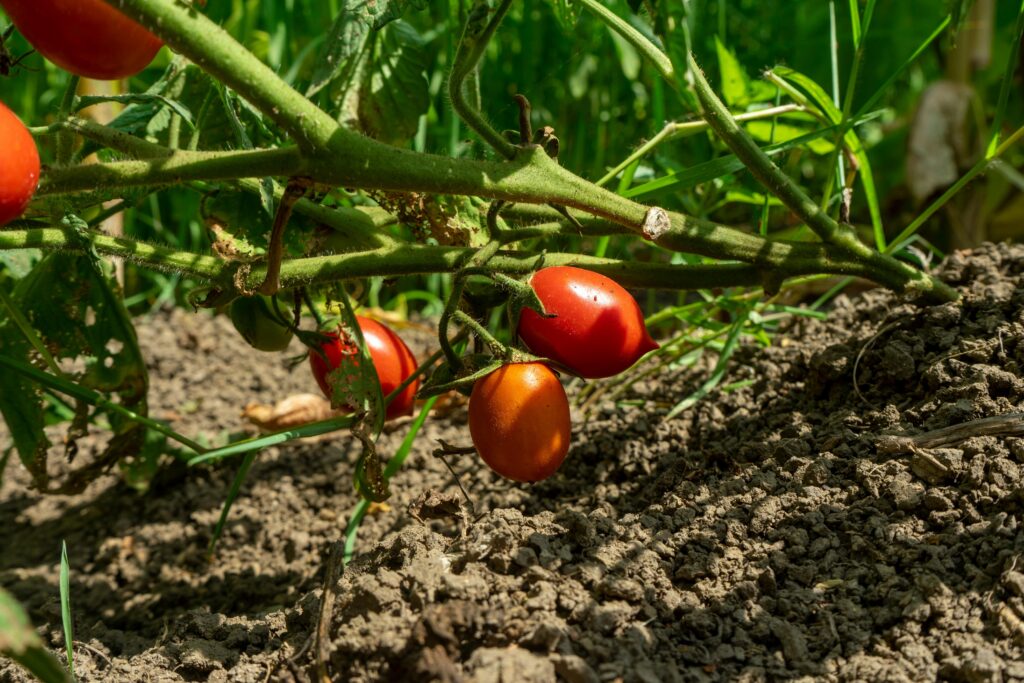
The Gardener’s Secret: Best Soil Mixes For Pot Grown Tomatoes
Container gardening offers incredible flexibility, allowing us to grow vibrant tomatoes in almost any space. However, the secret to a thriving tomato plant in a pot isn’t just the seeds or the water – it’s the soil. Poor soil leads to stunted growth, nutrient deficiencies, and devastating root rot. As your expert guide, we are diving deep into exactly what makes up the perfect soil mix for your container tomatoes, ensuring your harvest is as abundant and delicious as possible.
Why Soil Matters More Than Dirt in Pots
When gardening in containers, the soil stops being just a medium and becomes the entire ecosystem for your tomato plant. Unlike in-ground gardens where soil structure is naturally complex, potting mixes are often uniform and highly susceptible to compaction and poor drainage if not formulated correctly.
The roots of tomatoes require consistent oxygen to breathe and access to water. If the soil is too dense, water pools, suffocating the roots and inviting fungal diseases like root rot. Therefore, selecting the right soil mix is the single most critical decision you will make for container tomato success.
The Three Pillars of Ideal Tomato Soil
For tomatoes to flourish in pots, the soil must perfectly balance three essential characteristics: Drainage, Aeration, and Water Retention.
**Drainage:** This is non-negotiable. Excess water is the primary killer of container plants. The soil must allow water to flow freely away from the root zone, preventing waterlogging.
**Aeration:** Proper aeration ensures that the air pockets between soil particles allow oxygen to reach the roots. Oxygen is vital for healthy root respiration and nutrient uptake.
**Water Retention:** While drainage is key, the soil also needs to retain *some* moisture to prevent the plant from drying out too quickly, especially during peak summer heat. The ideal mix balances excellent drainage with moderate water-holding capacity.
Deconstructing the Components of Optimal Soil Mixes
An optimal potting mix is a carefully balanced combination of organic matter, aeration agents, and water retention agents. Understanding these ingredients is the first step to creating a custom, perfect blend.
**Organic Matter (Compost/Coir):** This feeds the plant slowly, providing essential nutrients and improving the soil’s ability to hold beneficial microbial life. It acts as the foundation for long-term health.
**Aeration Agents (Perlite/Pumice):** These lightweight materials create the necessary air pockets, improving aeration and preventing compaction, which is crucial for root health.
**Water Retention Agents (Peat Moss/Coco Coir):** These materials help the soil absorb and hold moisture, preventing the need for excessive, frequent watering.
**Mineral Fillers (Vermiculite/Bentonite):** These help regulate water movement and provide a slightly finer texture, contributing to overall soil structure.
Blueprint for Best Soil Recipes for Tomatoes
Depending on your climate and preference for watering schedule, you can design a custom recipe tailored to your tomato needs.
**1. High Drainage Mix (For Hot Climates & Heavy Watering):** This mix prioritizes drainage to combat potential overwatering and root rot. Use a higher ratio of gritty materials. (Example: 40% Potting Soil, 40% Perlite, 20% Coarse Sand).
**2. Moisture-Retaining Mix (For Moderate Climates):** This blend offers a good balance of nutrients and moisture retention. It’s ideal for plants that need consistent hydration. (Example: 50% High-Quality Potting Soil, 30% Coco Coir, 20% Vermiculite).
**3. Organic Heavy Mix (For Long-Term Health):** This mix focuses on long-term fertility and microbial health, perfect for organic growers. (Example: 60% Compost, 25% Coco Coir, 15% Perlite).
Incorporating Amendments: Beyond Basic Potting Mix
While pre-made potting mixes are convenient, incorporating amendments allows you to fine-tune the soil for exceptional results.
**Compost:** Always start with high-quality compost. It slowly releases balanced nutrients and builds healthy soil structure over time. Incorporate a layer of compost at the bottom of your pot before adding the main mix.
**Perlite and Vermiculite:** These are essential for aeration. Adding 15-20% perlite (or pumice) ensures that the mix doesn’t become dense and suffocates the roots.
**Clay Barriers:** If you are using heavy clay-based soil (which compacts easily), consider mixing in materials like expanded shale or coarse sand to break up the clay structure and prevent dense compaction.
Advanced Soil Strategy: Choosing the Right Soil Based on Pot Material and Climate
The material of your container significantly impacts how the soil interacts with the root system and water dynamics.
**Terracotta Pots:** Clay pots are porous and allow water to evaporate through the sides, which can help regulate soil moisture. However, they require a soil that manages drainage precisely, as excessive water retention can lead to pot cracking.
**Plastic Pots:** Plastic is impermeable to water evaporation. Because water sits longer, the substrate must be exceptionally well-draining to prevent stagnation and root rot in these containers.
**Climate Consideration:** In arid or hot climates, favor mixes with a higher percentage of perlite (for drainage). In consistently moist areas, you can lean slightly more toward coir or peat alternatives to boost retention.
Application Techniques: How to Mix and Prepare Your Custom Soil
Achieving the perfect soil mix involves careful, methodical preparation to ensure uniform distribution of ingredients.
**Step 1: Determine Volume:** Calculate the volume of soil needed for your pot. Start with the base medium (e.g., potting mix or compost).
**Step 2: Incorporate Aeration:** Slowly fold in your aeration agents (perlite, vermiculite). Ensure thorough mixing to eliminate clumps of dense material.
**Step 3: Integrate Organic Matter:** Mix in your compost or coir. This step is crucial for nutrient delivery.
**Step 4: Final Adjustments:** Test the texture. The final mix should be light, fluffy, and crumbly when squeezed, not dense and muddy. Always test the drainage by pouring a cup of water over the mix to see how quickly it drains.
Troubleshooting Common Soil-Related Issues
If your tomato plant shows signs of stress, the soil is often the culprit. Here is how to diagnose and correct the most common soil-related problems:
**Root Rot (Soggy Soil):** Symptoms include wilting even when the soil is wet, stunted growth, and mushy, dark roots. **Fix:** Immediately increase drainage. Repot the plant into a mix with significantly more perlite and coarse sand, and allow the excess water to drain completely.
**Nutrient Lockout:** If the plant looks stressed but the soil seems fine, it might indicate poor nutrient availability due to compaction or poor microbial activity. **Fix:** Top-dress the soil with an additional layer of compost or worm castings and ensure your water source provides balanced nutrition.
**Poor Drainage:** If water sits on the surface for hours, the roots cannot respire. **Fix:** Use a lighter, grittier mix. Avoid heavy, dense mixes and focus on increasing the proportion of aeration materials.
Mastering the art of container gardening for tomatoes comes down to understanding soil chemistry and physics. Remember, the goal is to create a living, breathing medium that provides the perfect balance of air, water, and nutrients for your plants. By focusing on excellent drainage, proper aeration, and quality organic matter, you are setting your container tomatoes up for unparalleled success. Start experimenting with your custom soil recipes today, and watch your harvest thrive!