
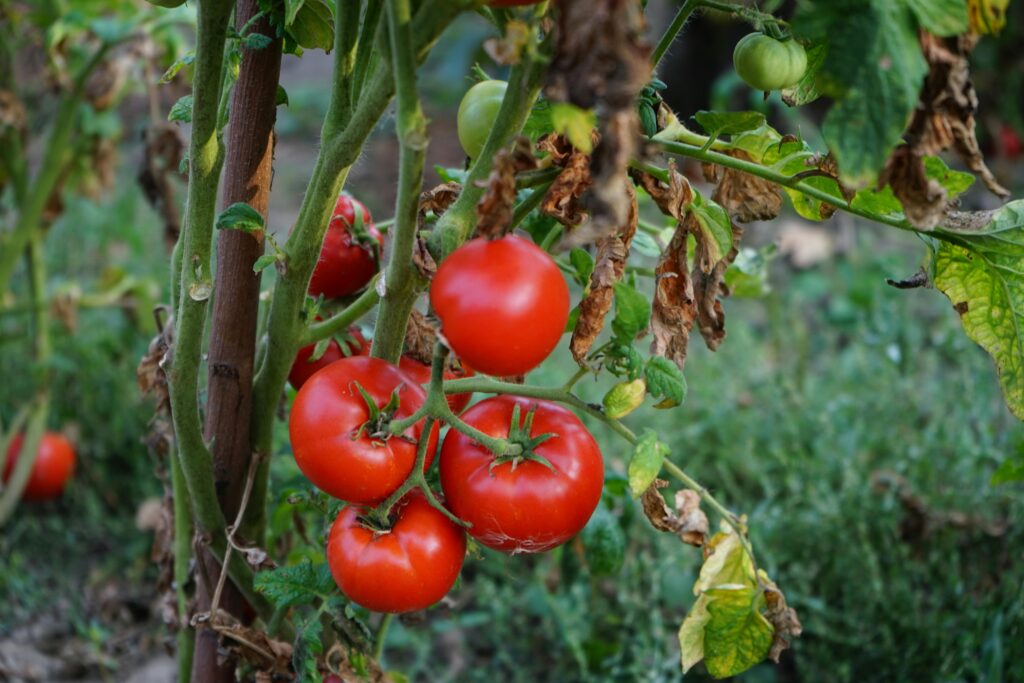
How To Save Tomato Seeds: The Complete Guide to Fermentation and Optimal Storage
The garden offers boundless joy, but the true magic lies in the seeds you choose to keep. Saving your own tomato seeds is not just about saving a few seeds; it’s about preserving the unique flavors, resilience, and heirloom characteristics of the varieties you love. This guide will walk you through the fascinating process of seed saving, focusing specifically on the role of fermentation and the advanced storage techniques required to ensure your tomato seeds remain viable and ready for the next season.
Understanding Seed Viability and the Goal of Preservation
Before we dive into the physical process, it’s vital to understand what makes a seed viable. The primary goal of saving seeds is to maintain genetic purity and desirable traits. This preservation process relies heavily on understanding seed types, as not all seeds are treated equally.
1.1 Seed Types: Understanding Open-Pollinated vs. Hybrid Seeds
Open-pollinated (or heirloom) seeds are the cornerstone of seed saving. These seeds can be saved and replanted without hybridization, allowing you to maintain the specific, desired characteristics of the parent plant. Hybrid seeds, while often offering specific traits like disease resistance or high yield, are usually restricted by licensing agreements, making open-pollinated saving more accessible and impactful for gardeners.
1.2 The Role of Fermentation in Seed Preservation (Microbial Action)
While direct, long-term seed storage is crucial, some seed saving techniques involve controlled microbial action, often through fermentation. Beneficial microbes can help break down plant materials, initiate seed maturation, and provide a natural, gentle environment for the seeds, though this must be done carefully to ensure the seeds remain viable and free of harmful mold.
Step-by-Step Guide to Tomato Seed Fermentation
2.1 Selecting Optimal Tomato Fruit for Seed Saving
Choose tomatoes that have developed fully and have a rich, flavorful pulp. Select fruit that is free from pests, disease, and excessive blemishes. The quality of the seed is directly tied to the quality of the fruit from which it is harvested.
2.2 Preparing the Seeds (Drying and Initial Processing)
Once selected, the tomatoes must be carefully dried. This drying process is critical to removing moisture, which prevents mold growth during the subsequent fermentation phase. Seeds should be dried gently, perhaps using a low-temperature dehydrator or slow, airy drying, ensuring the fragile structure of the seed remains intact.
2.3 The Fermentation Process: Controlled Environment and Duration
Fermentation, in this context, is a controlled environment where natural processes are encouraged. This usually involves placing the dried seeds in a clean, dark, and well-ventilated container. The duration depends on the specific seed preparation method chosen (e.g., allowing natural drying cycles), but the goal is to achieve a stable, dry state free from excess moisture before moving to storage.
2.4 Monitoring Fermentation for Signs of Success and Potential Issues
Monitor the seeds daily for any signs of mold, mildew, or unusual discoloration. If you observe excessive moisture or odor that suggests bacterial imbalance rather than natural drying, the process may need adjustment. Success is marked by seeds that are dry, uniform, and ready for the next phase of storage.
Advanced Storage Techniques for Optimal Longevity
3.1 Post-Fermentation Treatment: Ensuring Seed Health
After the fermentation/drying phase, the seeds must be treated to maximize their longevity. A light, natural fungicide or a simple mineral treatment can be applied to provide an extra layer of protection against fungal spores that may have been present.
3.2 Ideal Storage Conditions: Temperature, Humidity, and Darkness
The secret to long-term storage lies in environmental control. Store your tomato seeds in a cool, dry place—a dark cupboard or pantry is ideal. Temperatures between 50°F and 70°F (10°C to 21°C) and low humidity are essential to prevent germination or decay.
3.3 Choosing the Right Containers (Materials and Sealing)
Use airtight containers made of glass or high-quality, food-grade plastic. Glass is preferred as it is inert and resists chemical leaching. Ensure the containers are well-sealed to prevent moisture ingress and pests from accessing the seeds.
3.4 Long-Term vs. Short-Term Storage Strategies
For short-term storage (1-2 seasons), simple dry containers suffice. For long-term preservation (multiple years), consider storing them in a deep freezer, provided the seeds are thoroughly dried first. Freezing locks the seeds in a dormant state, effectively pausing their aging process.
Troubleshooting and Expert Best Practices
4.1 Preventing Mold and Contamination During Storage
Mold is the arch-nemesis of saved seeds. To prevent it, ensure all seeds are absolutely dry before sealing. Always inspect the containers for any signs of dampness before placing them into long-term storage.
4.2 Addressing Seed Dormancy and Viability Concerns
Seeds naturally enter a state of dormancy, which is a mechanism to prevent premature germination. For long-term storage, brief exposure to cold (like freezing) can help wake up dormant seeds. When you are ready to plant, letting the seeds sit at room temperature for a few days before planting can help them re-establish viability.
4.3 Storage Life Expectancy Guidelines for Tomato Seeds
With proper drying and sealed storage, tomato seeds can maintain excellent viability for several years. However, viability naturally degrades over time. It is best practice to rotate your seed banks every few years and periodically test a few seeds for viability before committing to planting them.
4.4 Handling and Planting Protocols for Preserved Seeds
When you decide to replant, treat the seeds gently. Allow seeds to acclimate to room temperature before planting. For optimal initial growth, ensure you are planting in fertile, well-draining, and evenly moist soil, offering a gentle start for your treasured heirloom varieties.
Maximizing your seed bank is an act of dedication to the future of gardening—a beautiful connection to the earth and a commitment to sustainable food production. By mastering the techniques of careful drying, controlled fermentation, and optimal storage, you transform simple tomato harvest into a valuable, living history. Embrace the journey of seed saving, celebrate the unique flavors of your heirloom tomatoes, and watch your garden flourish with the seeds of tomorrow.