
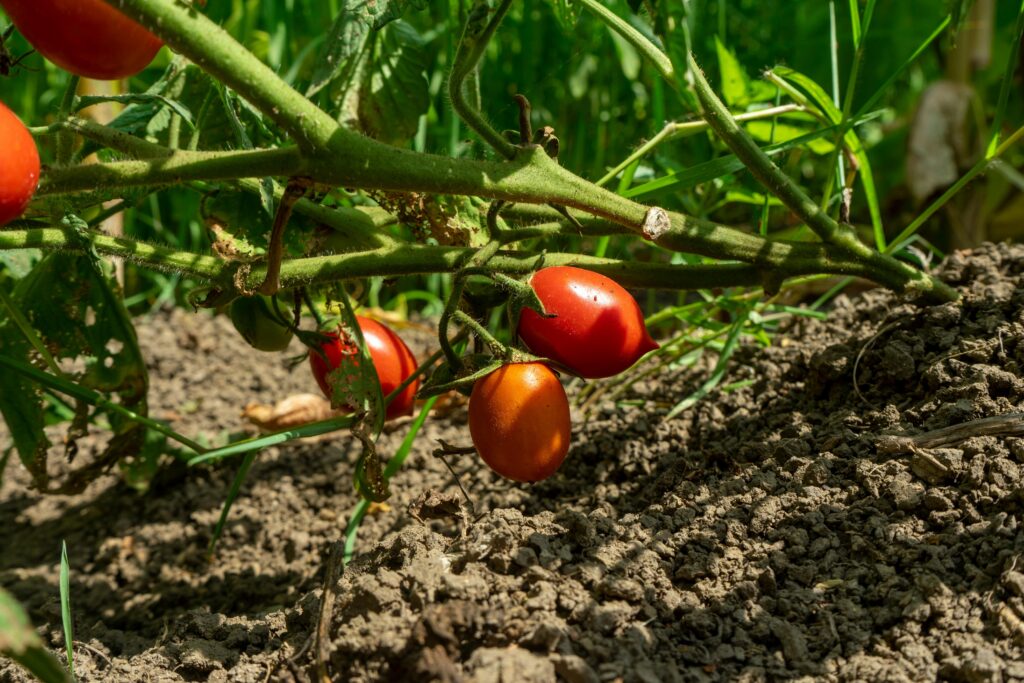
The History of the Tomato: From Wild Weed to Garden King
The tomato, that vibrant fruit that graces every kitchen worldwide, holds a fascinating history. Before it became the staple of civilization, it existed as a wild, untamed weed in the botanical landscape. This journey—from a resilient wild ancestor to the globally celebrated ‘Garden King’—is a powerful testament to the intricate relationship between human ingenuity, selective breeding, and the natural world. We embark on a journey to trace the evolutionary path of one of the world’s most beloved food crops.
The Primal Origin: Understanding the Wild Ancestor
The story of the tomato begins deep within the family Solanaceae, a large and diverse group of plants that includes potatoes, peppers, and potatoes. The tomato itself is a descendant of wild Solanaceae relatives that naturally occurred across the Americas and Eurasia long before human intervention.
Identifying the specific native wild tomato species(es) is complex, as many wild progenitors are constantly evolving. These wild plants thrived naturally in various ecological niches, adapted to local soil types, moisture levels, and climatic conditions, demonstrating incredible resilience.
The ecology of these wild plants was defined by natural selection. They intermingled with native flora, competed for resources, and evolved natural defenses against local pests and diseases, thriving in a dynamic, unmanaged environment.
The Great Transition: The Process of Domestication
Early cultivation methods were largely based on foraging and wild growth. Humans began experimenting with the plants, observing that certain plants possessed desirable traits—perhaps larger fruits, sweeter taste, or easier handling—leading to the initial, unintentional shifts in phenotype.
The Columbian Exchange, initiated by the voyages of Columbus, was a pivotal moment. Solanaceae species, including the wild tomato, were unintentionally introduced to the Americas. This introduced a powerful new genetic pool that humans could begin to manipulate.
The true revolution began with selective breeding. Humans began actively intervening in the growth process, favoring plants with traits that were useful for human consumption and sustenance. This was the first major shift from wild variability to intentional cultivation.
Key genetic changes were focused on altering fruit size, flavor profile, and, crucially, disease resistance. Farmers and early cultivators unknowingly selected for traits that made the tomatoes more appealing and easier to harvest, initiating the path toward the modern garden variety.
Rise to Royalty: Agricultural Revolution and Global Spread
The shift from foraging and wild growth to intensive, managed gardening marked a profound agricultural revolution. As societies developed settled agriculture, the focus moved from simply collecting wild food to systematically controlling and optimizing plant growth for maximum yield.
Indigenous knowledge played an indispensable role in this history. Native populations possessed deep, generations-long understanding of local plant cultivation, soil management, and the subtle differences between wild and cultivated varieties, which informed early farming practices.
Domestication centers trace back to various civilizations. Mesoamerica and the Mediterranean regions were crucial hubs where cultivation techniques for Solanaceae were refined and scaled up, laying the groundwork for tomato cultivation in different parts of the world.
The tomato’s ascent was not singular but a global process. It traveled along trade routes and through cultural exchange, solidifying its place as a local food source before ultimately becoming a global staple commodity.
The Modern Reign: Cultivation, Mutation, and Future Trends
The modern era is defined by advanced breeding techniques. Today, breeders explore the vast genetic variations within the tomato to develop specialized varieties, ranging from heirloom varieties, prized for unique flavor and history, to hybrids, developed for specific horticultural performance.
Despite modern advancements, growers face ongoing agronomic challenges. Managing widespread pests, combating devastating diseases, and adapting to volatile climate change necessitate constant innovation and careful stewardship of the plant.
The cultural legacy of the tomato is undeniable. It is woven into the fabric of global cuisine, representing a connection to ancient agricultural practices while simultaneously embracing modern food science. It remains a powerful symbol of food history.
Understanding this lineage—from wild weed to garden king—allows us to appreciate the ingenuity required to shape the plant kingdom to meet humanity’s needs.
The journey of the tomato from a wild weed to a garden king is a powerful metaphor for the symbiotic relationship between humanity and the plant kingdom. It illustrates how subtle genetic variations, guided by human selection and agricultural innovation, can transform a wild organism into a cornerstone of civilization. The tomato’s enduring legacy is not just in its culinary contributions but in the complex, evolving story of adaptation, domestication, and our ongoing role as stewards of the natural world.