
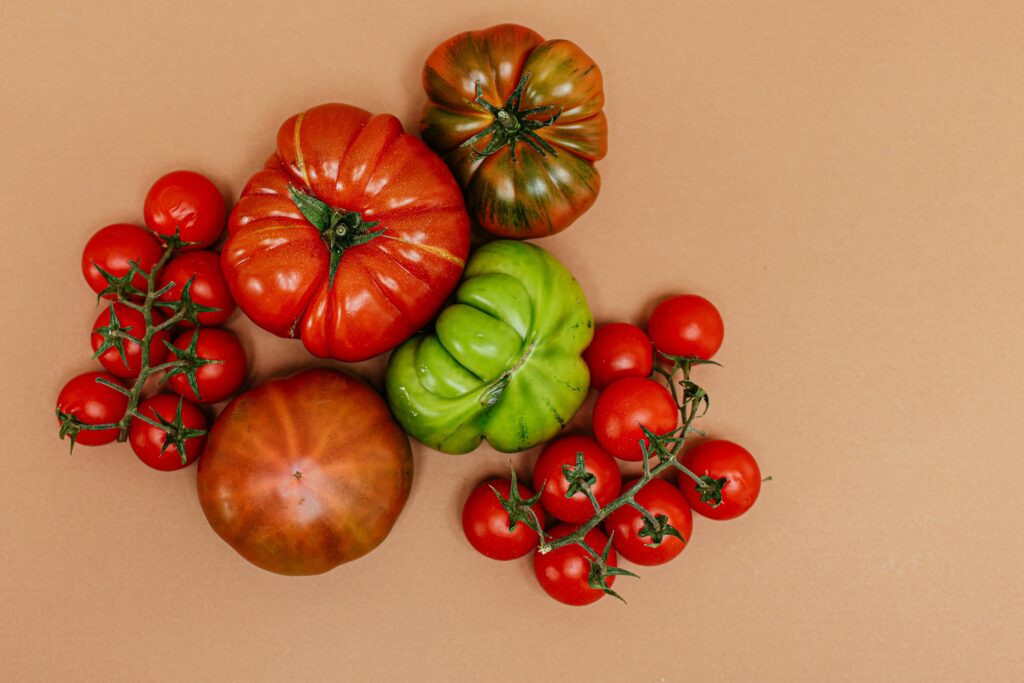
When To Pick a Tomato: Mastering the Difference Between Breaker Stage and Full Ripeness
Harvesting tomatoes is an art that blends science and instinct. Knowing exactly when to pick is crucial, as the timing directly dictates the flavor profile, texture, and ultimate culinary success of your bounty. This guide delves into the subtle yet significant differences between the ‘breaker stage’ and true full ripeness, helping you move beyond guesswork and achieve peak tomato quality in your garden.
Understanding Tomato Development Stages: The Full Lifecycle
Tomatoes undergo a fascinating development process, moving from a green, firm state to a rich, flavorful maturity. Understanding this lifecycle is the first step toward becoming a masterful harvester.
The journey involves phases where sugars accumulate, acids balance, and cell structure softens. Misjudging these transitions can lead to tomatoes that are either too tart or over-ripe and mushy.
We will explore these stages to define exactly what the ‘breaker stage’ means and how it differs from the sweet, peak flavor of full ripeness.
Deep Dive 1: The Significance of the ‘Breaker Stage’
- The ‘Breaker Stage’ is an intermediate phase where the tomato has begun to develop significant internal structure and complex sugars, but it has not yet reached its peak sweetness and flavor intensity.
- Characteristics of the Breaker Stage:
- Structure: The skin is firm, and the flesh is substantial but still holds a slight resistance when gently squeezed.
- Flavor Profile: The flavor is savory, slightly acidic, and intensely savory, offering a wonderful complexity that is often richer than fully ripe tomatoes.
- Potential: Tomatoes at this stage offer excellent flavor when used in cooking where a bit of tang is desired, such as salsas or sun-dried tomatoes.
Deep Dive 2: Defining True Full Ripeness
- Full Ripeness is when the tomato has reached its absolute peak—the point where all sugars have fully converted, and the flavor is intensely sweet, smooth, and unctuous.
- Characteristics of Full Ripeness:
- Sweetness: The sugar content is maximized, resulting in a profoundly sweet taste that dominates the flavor profile.
- Texture: The flesh becomes soft, yielding, and almost creamy when touched, with minimal resistance.
- Peak Flavor: This stage delivers the quintessential, juicy, sweet burst of flavor that tomato lovers seek.
The Critical Decision Matrix: Breaker vs. Ripened Timing
The choice between picking a breaker tomato or a fully ripened tomato depends entirely on your intended culinary use.
If you desire a tart, complex, and savory flavor profile, aim for the breaker stage. These tomatoes are excellent for preserving and deep savory dishes.
If your goal is pure sweetness, maximum juice, and that classic, sweet tomato flavor for eating fresh, wait for the full ripeness. This is your stage for salads and light snacking.
Expert Indicators: How to Visually and Tactilely Assess Tomato Readiness
- Trust your senses more than the calendar. Use these tactile and visual cues to make the final call:
- Visual Check: Full ripeness is often indicated by a deeper, richer red color and a slightly wrinkled skin, indicating maximum sugar development.
- Tactile Check: Gently squeeze the tomato. A fully ripe tomato will yield easily with a soft, smooth resistance. A breaker tomato will feel firm and resistant, indicating internal structure is still setting.
- A subtle change in scent is also a great indicator—full ripeness often releases a much sweeter, more aromatic scent.
Advanced Considerations: Impact on Culinary Use
The stage you harvest at significantly affects how you use the tomatoes later on.
For Canning and Freezing: Fully ripened tomatoes generally hold up better to processing, as their higher sugar content aids in texture during heat treatment.
For Slicing and Fresh Eating: Tomatoes at the breaker stage often provide a more intense, deeply savory flavor, which is phenomenal when paired with strong herbs or cheeses.
Experimentation is key: Don’t be afraid to try both stages! What tastes best depends entirely on the recipe you are creating.
Troubleshooting Common Harvest Mistakes
- Harvest timing isn’t always straightforward. Here are common issues to watch out for:
- Under-ripeness: If you pick tomatoes that are too green and firm, they will never develop their full flavor, no matter how you cook them. Wait patiently for the transition.
- Over-ripeness: If you wait too long, tomatoes can become soft, mushy, and overly sweet, leading to a loss of structural integrity, especially during canning.
- Blossom End Rot: This is a separate issue caused by calcium deficiency, not ripeness, but it is a common harvest complication. Ensure adequate watering and calcium in the soil to prevent this pitfall.
Mastering the art of tomato harvesting is about embracing subtlety. Whether you choose the complex savoriness of the breaker stage or the pure, sweet intensity of full ripeness, the best decision is the one that serves your specific culinary vision. By observing your plants, feeling the fruit, and understanding the science of development, you will ensure that every tomato you pick delivers the absolute peak quality and flavor you deserve.