
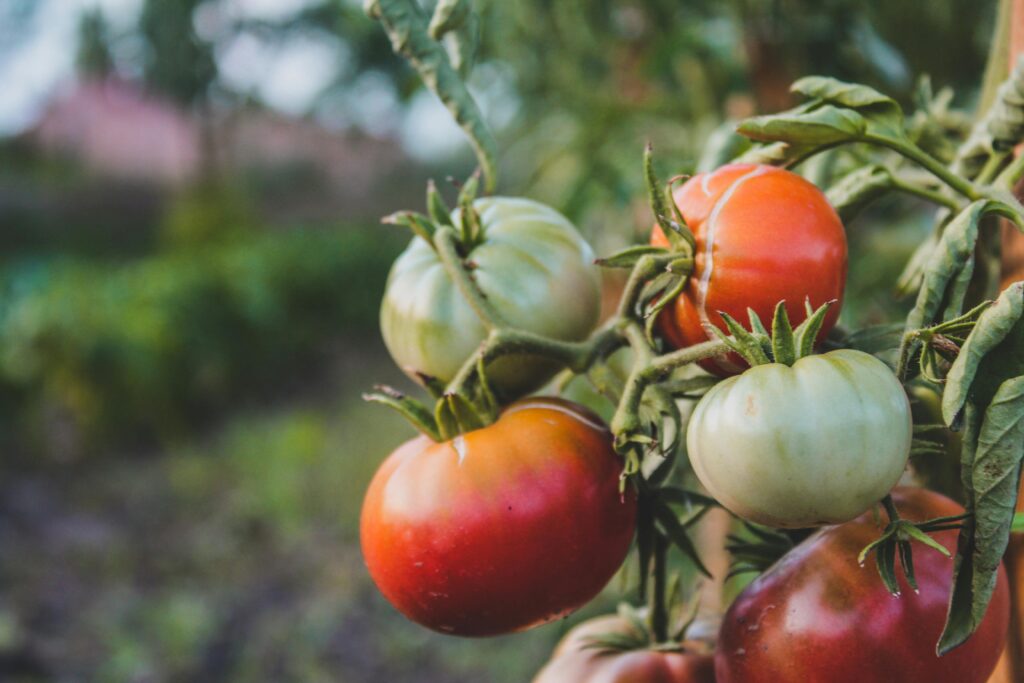
How to Ripen Green Tomatoes Indoors: The Expert Guide
Green tomatoes are a common source of frustration for home gardeners. While they look perfectly fine, they are biologically programmed to ripen, making them impossible to harvest in their unripe state. This guide delves into the science behind tomato ripening—specifically the role of ethylene gas—and provides a comprehensive, expert-level roadmap for successfully inducing and managing the ripening process indoors. By understanding these techniques, you can transform stubborn green fruit into flavorful, ready-to-eat tomatoes right in your home.
Understanding Tomato Ripening: The Role of Ethylene Gas
Tomato ripening is a complex biochemical process heavily regulated by a natural plant hormone called ethylene gas. Ethylene is a gaseous plant hormone that signals the fruit to transition from an unripe state to a ripe state.
When tomatoes are grown in a confined space or when specific environmental conditions are met, the fruit naturally accumulates ethylene. This gas triggers the breakdown of cell walls, softening the fruit, changing its color, and developing its characteristic flavor. Ignoring this natural process is why green tomatoes remain stubbornly green.
The goal of indoor ripening is simply to replicate the high concentration of ethylene necessary for this transformation, allowing the tomatoes to ripen fully under controlled conditions.
Essential Prerequisites for Indoor Ripening: Setting the Stage
Before attempting any ripening method, establishing the correct baseline environment is crucial. Successful indoor ripening depends on creating conditions that mimic the natural ripening environment for tomatoes.
The primary prerequisites involve ensuring the tomatoes are healthy, properly watered, and exposed to appropriate light levels. Stress from poor nutrient delivery or harsh light can inhibit the ripening process.
Understanding the role of temperature and humidity is the next critical step. These two factors act synergistically with ethylene to accelerate the ripening reaction effectively.
Method 1: The Controlled Environment Method (The Carton/Bag Technique)
This method provides the most direct control over the ripening environment, mimicking the natural conditions within a sealed container.
### Preparation of the Ripening Environment (Choosing Containers)
Select breathable containers such as card cartons, paper bags, or loosely woven fabric bags. Avoid non-breathable plastic bags, as they can trap excess moisture and promote undesirable mold growth.
### Optimizing Temperature and Humidity for Maximum Ripening
Maintain a warm, consistent temperature, ideally between 75°F and 85°F (24°C to 29°C). High humidity, sustained around 70% to 80%, is essential as it aids the softening process.
### Managing Airflow and Ventilation (Preventing Mold)
Ensure the containers are not sealed airtight. Small, controlled air circulation is vital to prevent stagnant, humid pockets that lead to fungal and mold growth. Periodically check the container to ensure air exchange.
Method 2: The Ethylene Acceleration Method (Using Ripening Agents)
This method focuses on introducing external ethylene sources to artificially accelerate the ripening process.
### Utilizing Ethylene-Releasing Agents (Scents and Fruits)
Certain fruits naturally release ethylene. Placing ripe avocados, bananas, or melons near the green tomatoes can introduce the necessary gaseous hormone. For a more subtle approach, placing a small amount of fruit scent near the tomatoes can be beneficial.
### Advanced Application: Using Controlled Humidity Systems
For advanced setups, incorporating a small, controlled humidity system can help maintain the high moisture levels required for rapid enzymatic breakdown. Low-level misting or a small, enclosed humidity chamber can be highly effective.
Method 3: The Indirect Ripening Method (Using Specific Surfaces)
This technique relies on the contact points with specific materials to influence the ripening rate.
### Utilizing Paper and Cloth Wraps
Wrapping the tomatoes loosely in brown paper or thin, breathable cloth creates a microclimate that traps moisture and slows down the evaporative process, encouraging internal ripening.
### The Role of Surface Contact and Indirect Light Exposure
Place the wrapped tomatoes in a location that receives bright, indirect sunlight. Light exposure, even indirect, helps trigger the necessary biochemical reactions that are hastened by the presence of moisture and favorable temperature.
Troubleshooting Common Indoor Ripening Issues
### Dealing with Stalling Ripening (If Tomatoes Remain Green)
If tomatoes remain stubbornly green despite applying these methods, the environment is likely insufficient. Reassess your temperature and humidity levels immediately. Ensure adequate airflow, as poor circulation is a major cause of stalled ripening.
### Identifying and Preventing Mold/Fungal Issues
Mold is a major risk in high-humidity environments. Use breathable materials only, and ensure regular visual inspection. If you notice any signs of mold, stop the process immediately and address the moisture levels.
### What to Do if Ripening Fails (When to Reconsider)
If, after several days of careful attention, the tomatoes still refuse to ripen, it may indicate a fundamental issue with the tomatoes themselves, such as nutrient deficiency or underlying disease. In this case, prioritize harvesting the fruit and focus on optimal growing conditions for future harvests.
Inducing perfect indoor ripening for green tomatoes is an achievable goal by mastering the principles of ethylene gas, temperature, humidity, and airflow. Remember, successful ripening is a balance of science and observation. By utilizing the controlled environment method, introducing appropriate gaseous agents, or employing indirect surface techniques and rigorous troubleshooting, you can successfully transition your green tomatoes into flavorful, perfectly ripe produce. Always prioritize breathable containers and excellent air circulation to ensure a safe and successful ripening journey for every grower.