
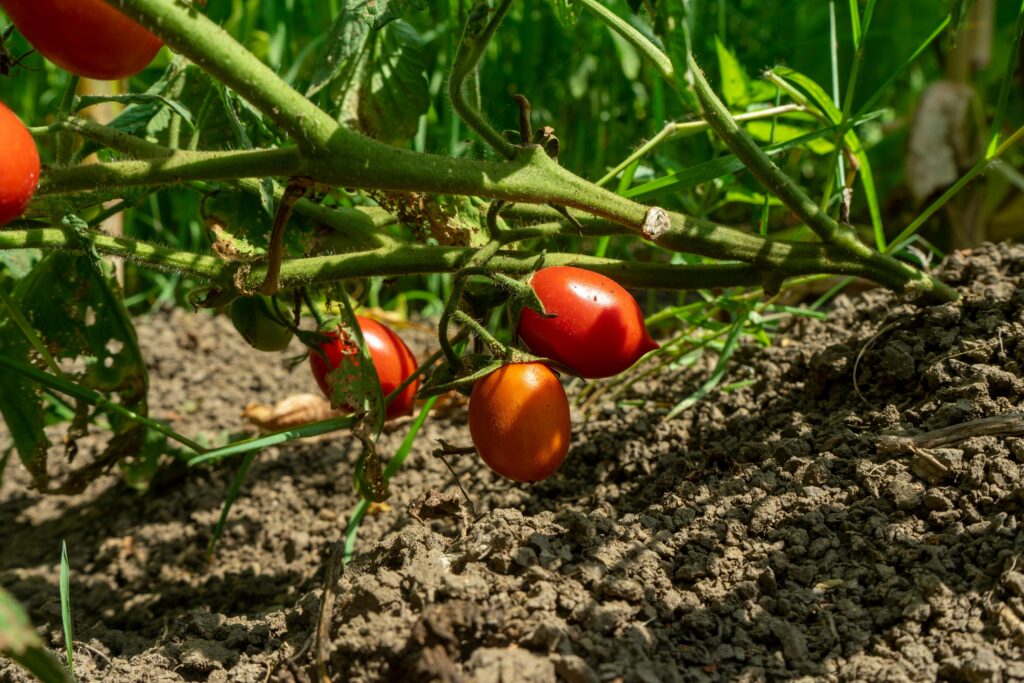
Soil is not merely the medium in which your plants grow; it is the unsung hero of the gardening world. For container gardening, where every ounce of space and resource is meticulously controlled, the quality of your potting mix directly dictates the health, flavor, and yield of your tomatoes. Moving beyond generic store-bought mixes to craft a perfectly balanced soil is the secret to unlocking truly exceptional, abundant harvests from your pots.
The Foundation: Understanding Potting Mix vs. Garden Soil
Before we dive into recipes, it is crucial to understand the fundamental difference. Garden soil is rich in organic matter, but it is heavy, dense, and compacts easily, which is disastrous in containers. Potting mix, conversely, is specifically engineered to be light, fluffy, and highly aerated. It is designed to provide excellent drainage and water retention, preventing the suffocating conditions that stunt root development in pots.
Using pure garden soil in a container risks severe compaction issues, leading to poor root growth and impeded nutrient uptake. Potting mixes are formulated to ensure that roots have the necessary air pockets (aeration) to breathe, which is arguably more important for container tomatoes than simple nutrient delivery.
The Critical Components of Perfect Tomato Soil
Optimal tomato soil must achieve a perfect synergy between three critical elements: Drainage, Aeration, and Water Retention. A poor mix will fail one or more of these metrics, regardless of how much fertilizer you add.
Drainage ensures excess water does not pool around the roots, preventing root rot. Aeration (air pockets) allows roots to breathe and perform respiration, facilitating nutrient absorption. Water retention provides a consistent, slow release of moisture to the plant throughout the growing season.
Deconstructing the Ideal Potting Mix Recipe (The ‘Golden Ratio’)
Achieving the ‘Golden Ratio’ involves balancing organic matter, aeration, and nutritional boosters. There is no single perfect recipe, as it depends on your container material and climate, but the core components remain consistent.
The Base Layers: Organic Matter. This provides the slow-release nutrition. You should prioritize high-quality organic matter over cheap fillers.
The Aeration Agents. These are essential for root health, preventing the dense, waterlogged environment typical of poorly mixed soil.
The Nutrition Boosters. Incorporating amendments ensures the soil is biologically active from day one, reducing the need for heavy external feeding.
Tailoring the Mix for Specific Pot Conditions
The ideal composition shifts based on the container material. You must adapt your mix to the pot to manage soil dynamics correctly.
| Pot Type | Ideal Mix Strategy | Rationale |
|---|---|---|
| Heavy Clay Pots | Maximize drainage with increased perlite/sand (aim for 40% inorganic). | Prevents waterlogging and root rot. |
| Terracotta & Fast-Draining Pots | Increase organic matter and moisture retention agents (aim for 60% organic). | Compensates for rapid water loss. |
Large, Deep Containers | Focus heavily on substantial organic matter and aeration elements (e.g., 50% compost, 30% coir, 20% perlite). | Needs a robust structure to support deep, extensive root systems.
Common Potting Mix Mistakes to Avoid
Many container gardeners inadvertently sabotage their tomato plants by making common mistakes in soil preparation.
The Danger of Using Pure Garden Soil: As mentioned, compacted garden soil suffocates the roots and restricts aeration immediately upon planting. Always amend it heavily with light, airy materials.
Over-reliance on Peat Moss: While popular, peat moss is a sustainability concern, and it can lead to poor long-term drainage and slower nutrient release compared to modern alternatives. Look for high-quality components.
Neglecting Drainage Layers: In very large or deep pots, building up a layer of coarse grit or perlite at the bottom is crucial to ensuring water can escape quickly when watering.
Advanced Soil Management for Container Tomatoes
Once you have the perfect start, advanced management ensures continuous health and peak performance.
The Art of Potting Soil Amendment: Do not wait for deficiencies. Periodically amend the top layer of soil with compost or worm castings rather than relying solely on synthetic fertilizers. This feeds the soil biology, not just the plant.
Establishing a Self-Biotyping Soil System: Focus on building rich, living soil. When you consistently feed organic matter, you encourage beneficial microorganisms that naturally release nutrients, leading to a truly self-sustaining system.
Pre-Soaking and Conditioning Your Pots: Before adding the full potting mix, lightly wetting and conditioning the container can help prevent the soil from immediately repelling the mixture and ensure a perfect, even settling.
Achieving maximum yields from pot-grown tomatoes is less about perfect pruning and more about mastering the foundation. By understanding soil science—prioritizing aeration, balancing drainage, and feeding the microbial life within the mix—you transform a simple container into a thriving environment. Start by investing in a high-quality, airy potting blend, and watch your tomatoes reward you with unparalleled flavor and abundance.