
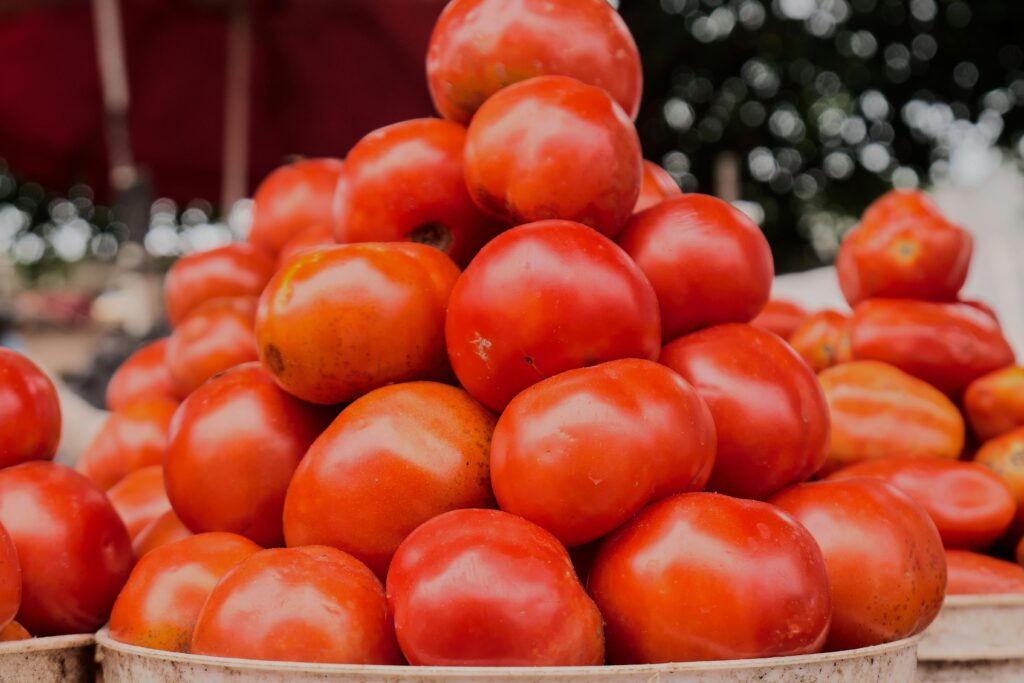
The quality of your tomatoes is not solely determined by the seeds you plant or the water you provide; it is fundamentally rooted in the health of the soil. Establishing a robust, living soil environment is the cornerstone of cultivating truly exceptional fruit. This post dives into the symbiotic relationship between rich soil and optimal tomato health, exploring the powerful scientific mechanisms behind composting and how it directly translates into bountiful harvests.
The Science Behind Soil Fertility: Understanding Decomposition
Composting is not simply a way to recycle waste; it is an act of microbial alchemy. When organic materials decompose, a diverse community of bacteria, fungi, and actinomycetes breaks down complex organic matter into simple, plant-available nutrients. This process releases essential elements locked within the initial materials.
Microbial Action: The Role of Bacteria and Fungi are the primary drivers of this release. Bacteria are adept at breaking down proteins and sugars, while fungi excel at decomposing tougher organic materials like lignin and cellulose. These organisms perform essential functions that no simple chemical fertilizer can replicate.
Nutrient Cycling: Converting Organic Matter into Plant-Available Forms is the core mechanism. Compost efficiently converts inaccessible organic matter into soluble forms of Nitrogen (N), Phosphorus (P), and Potassium (K), alongside vital micronutrients. This transformation ensures that nutrients are released slowly and steadily, rather than in a rapid burst that can harm plants.
The resulting compost acts as a living nutrient bank, steadily feeding the tomato roots. This slow-release feeding approach optimizes nutrient uptake, ensuring that the plants have a continuous supply without the risk of nutrient burn associated with synthetic fertilizers.
The Specific Nutritional Benefits of Compost for Tomato Health
Compost offers multifaceted benefits that directly enhance the physiology and resilience of tomato plants. One of the most critical benefits is enhancing the soil’s physical properties.
Enhancing Water Retention: Creating a Sponge-Like Medium for Drought Resilience is paramount, especially during dry spells. Compost acts like a sponge, maximizing the soil’s capacity to hold moisture, which is crucial for tomato roots to access water even when surface soil is dry.
Optimizing Nutrient Uptake: Slow-Release Feeding vs. Immediate Mineralization compost releases nutrients gradually. This controlled release prevents nutrient imbalances and ensures that the tomato roots can absorb nutrients efficiently over the growing season, leading to larger, healthier fruit.
Improving Soil Structure: Breaking Up Compaction and Aeration for Root Growth compost introduces organic matter that creates stable aggregates. This improved structure allows roots to penetrate deeper, encouraging vigorous, lateral growth and maximizing the surface area available for nutrient and water exchange.
Disease Mitigation: How Healthy Soil Fosters Stronger Plant Defenses A thriving microbial ecosystem in the soil creates a naturally resilient environment. Plants growing in organically rich, well-aerated soil develop stronger root systems and enhanced immune responses, making them significantly more resistant to common fungal and bacterial diseases affecting tomatoes.
Mastering the Compost Recipe for Tomato Growers
Creating high-quality compost requires a balanced input of ‘greens’ (nitrogen-rich) and ‘browns’ (carbon-rich). The ratio between these two components dictates the speed and quality of decomposition.
The Ideal Carbon-to-Nitrogen (C:N) Ratio: Achieving Balanced Decomposition For optimal composting, a ratio of roughly 25:1 to 30:1 is recommended. This balance ensures that the microbial life thrives and decomposes the material efficiently, releasing nutrients without leaving behind excessive imbalances.
Ingredient Selection: Greens, Browns, and Carbon Sources for Optimal Compost Greens (like kitchen scraps, grass clippings) provide the nitrogen, while Browns (like dry leaves, shredded cardboard, wood chips) provide the necessary carbon. Aim for a good mix to ensure balanced decomposition.
Composting Methods: Evaluating Hot Composting vs. Vermicomposting for Garden Use Both methods are effective, but they serve different goals. Hot composting is excellent for large volumes and rapid processing, ideal for garden waste. Vermicomposting (using worms) is slower but produces an incredibly rich, highly bioavailable compost, often favored for smaller, intensive garden applications.
Advanced Composting Strategies for Peak Tomato Yield
Moving beyond basic composting involves integrating timing and analytical techniques to maximize the impact of your amendments on your tomato plants.
Timing is Everything: When to Apply Compost for Maximum Benefit (Pre-Planting vs. Mid-Season) Applying compost before planting allows the soil time to develop its microbial and structural benefits before the plants are established. Mid-season additions should be used as slow, targeted boosts during active growth.
Soil Testing Integration: Using Lab Results to Fine-Tune Amendments Before large-scale composting, consider soil testing. Lab results reveal the specific deficiencies in your soil (e.g., pH, existing NPK levels). This knowledge allows you to fine-tune your compost additions, ensuring you are amending the soil precisely where it is needed.
Managing Compost Leachate and Runoff: Preventing Soil Contamination When composting, especially in smaller systems, monitor the liquid runoff, or leachate. This water contains concentrated nutrients and is a potential source of contamination if not managed properly. Implementing effective drainage or collection tactics prevents this from negatively impacting surrounding soil.
Troubleshooting Common Composting Mistakes in Tomato Cultivation
Even with great intentions, composting systems can present challenges. Recognizing these issues allows you to course-correct quickly.
Issues with Drainage and Sludge: Identifying Poorly Balanced Piles Poor drainage is a common pitfall, leading to waterlogged, smelly piles. This usually indicates an imbalance, often too many ‘browns’ or insufficient aeration, causing the material to become compacted sludge rather than aerated compost.
Dealing with Odor and Pest Control in Composting Systems Excessive odor is often a sign of anaerobic decomposition (lack of oxygen). To combat this, ensure your pile is properly balanced with carbon and nitrogen, and regularly turn the material to introduce necessary oxygen. Maintaining a healthy, balanced microbial community naturally discourages many common pests.
Cultivating bountiful tomato fruit is an endeavor where science meets the earth. By understanding the symbiotic relationship between microbial activity, nutrient cycling, and physical soil structure, composting transcends mere waste management; it becomes scientific soil management. Embrace the principles of balanced ratios, mindful timing, and system monitoring, and watch as your soil transforms into a powerhouse, yielding the most vibrant, flavorful, and abundant tomatoes your garden can offer.