
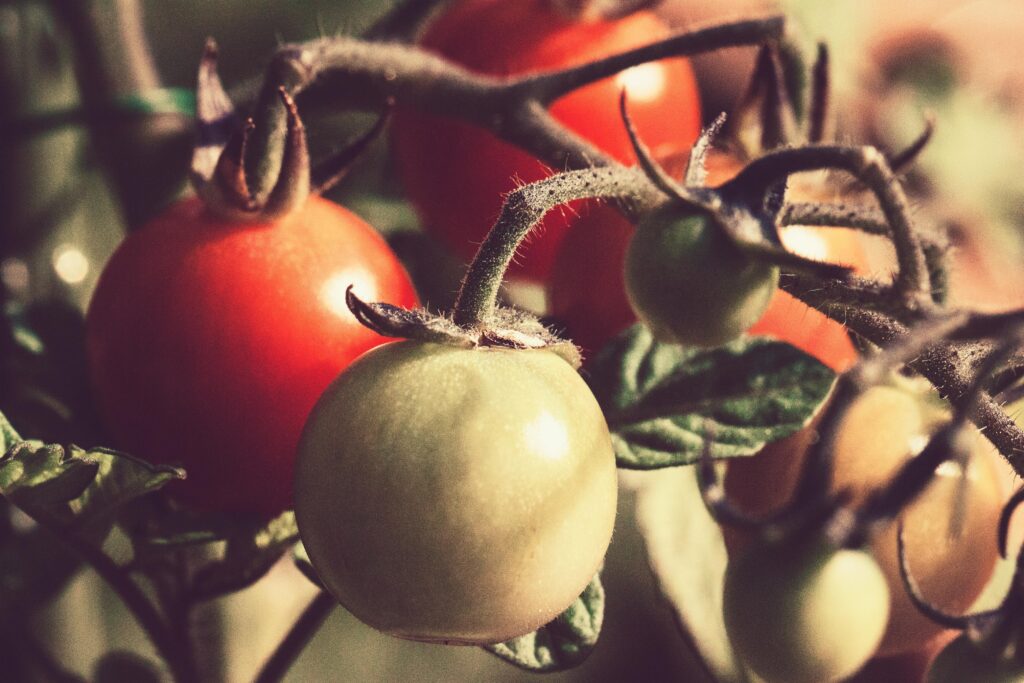
Tomatoes, those beloved fruits, are more than just vegetables; they are complex botanical organisms whose growth is dictated by precise environmental and nutritional cues. Understanding the core botany—how they crave water, what soil structure they require, and how sunlight impacts their flowering—is the first step toward achieving truly exceptional yields and flavor. This guide moves beyond simple watering tips to delve into the intricate science of tomato cultivation, ensuring your plants thrive and produce the richest fruit.
Phase 1: Establishing the Foundation – Soil Science for Optimal Tomato Growth
The root system of a tomato plant is the engine of its growth, and its health begins in the soil. Tomatoes, like most fruiting plants, require deep, well-drained, and rich soil to anchor themselves and efficiently absorb water and nutrients. Poor drainage leads to root rot, while compacted soil restricts oxygen flow to the roots.
Optimal soil texture is crucial. Sandy soils drain too quickly, often necessitating frequent watering and feeding, whereas heavy clay soils can hold excess water, leading to waterlogging and root asphyxiation. The ideal substrate is an airy, loamy mix that balances water retention and aeration perfectly.
Soil pH is another non-negotiable factor. Tomatoes thrive in a slightly acidic to neutral pH range, ideally between 6.0 and 6.8. If the pH is too high or too low, the plant cannot properly access essential micronutrients, regardless of how much fertilizer is applied.
Phase 2: Essential Inputs – Mastering Water, pH, and Nutrient Management
Water management is perhaps the most critical input. Tomatoes have high water demands, especially during the fruiting stage when water is actively converted into fruit. Consistency in watering, rather than frequency, is key to preventing stress and fruit cracking.
Advanced Watering Strategies involve understanding moisture tension. Overhead watering often leads to fungal issues and runoff, whereas drip irrigation allows water to be delivered directly to the root zone with maximum efficiency. Understanding the difference between overhead and drip systems dictates water use efficiency.
Nutrient cycling requires attention to the N-P-K ratios. Tomato plants are heavy feeders, requiring balanced nutrients. Nitrogen (N) promotes leafy, vegetative growth, Phosphorus (P) supports root development and flowering, and Potassium (K) is vital for overall plant health and fruit quality. A common target ratio is often higher in N and K during the vegetative phase, transitioning to more P and K during fruiting.
Phase 3: Environmental Control – The Role of Sunlight, Temperature, and Air Circulation
Sunlight is the primary energy source for tomato photosynthesis. Tomatoes demand a minimum of 6 to 8 hours of direct, intense sunlight daily to produce the necessary sugars and fruits. Insufficient light results in small, misshapen, and poorly flavored tomatoes.
Temperature significantly impacts the growth rate. Tomatoes are warm-season crops and thrive in high temperatures, generally preferring daytime temperatures between 70°F and 90°F (21°C to 32°C). Cool nighttime temperatures are beneficial for setting fruit and flavor development.
Air circulation is essential for mitigating disease risk. Stagnant, overly humid air creates a moist environment perfect for fungal infections like blight. Good airflow, achieved through proper spacing and pruning, helps manage humidity and promotes healthy canopy development.
Phase 4: Structural Support and Root Development (Staking and Pruning Techniques)
As tomato plants become heavy with fruit, structural support is mandatory to prevent breakage, which can lead to fungal entry points and physical damage to the fruit. Trellising provides an ideal framework for both vertical growth and airflow.
Proper staking or caging allows the plant to grow upward and outward, promoting a dense, healthy canopy that maximizes light exposure to all developing fruit. This structure physically guides the developing roots into healthier, more expansive zones.
Pruning removes non-essential foliage and redirects the plant’s energy toward fruit production. Removing lower leaves and suckers improves air circulation, reduces disease susceptibility, and allows the plant to allocate energy efficiently to ripening the fruit rather than excessive vine growth.
Phase 5: The Growth Cycle – Understanding Vegetative vs. Fruiting Stages
Tomato growth is a distinct two-phase process. The vegetative stage focuses on developing strong stems, extensive foliage, and a robust root system. During this time, the plant is focused on leaf production and building energy reserves.
The fruiting stage begins when the plant transitions its energy focus to flowering and fruit initiation. This requires a significant shift in nutrient allocation—moving from a focus on vegetative growth to maximizing fruit set and sugar concentration. Managing water and nutrients becomes acutely important during this period.
Understanding this transition allows for customized care. Watering and feeding needs change dramatically; for example, the need for consistent moisture shifts from maintaining leaf turgidity (vegetative) to regulating fruit development and preventing structural stress (fruiting).
Phase 6: Advanced Care and Troubleshooting – Managing Common Tomato Issues
Effective management involves preemptive care and timely intervention. The most common challenges are related to disease, pest activity, and fruit quality issues.
Disease and Pest Management requires a specific approach. Blossom end rot is a physiological disorder often linked to calcium deficiency or fluctuating water/nutrient availability, while fungal infections like late blight thrive in wet, poorly ventilated conditions. Vigilant inspection is necessary.
Troubleshooting these issues requires diagnostic thinking. For instance, spotting the telltale dark spots associated with fungal infections demands immediate changes to air circulation and humidity management. Addressing the cause—be it poor drainage or a nutrient deficiency—is the only way to resolve the problem permanently.
Exceptional tomato production is not accidental; it is the result of understanding the deep interaction between botany, soil science, and environmental control. By honoring the foundational principles—optimizing soil structure, managing water tension, providing tailored nutrition, ensuring superior airflow, and recognizing the plant’s distinct growth cycle—you move from simply growing tomatoes to cultivating magnificent, flavorful specimens. Embrace the science, and the rewards of truly exquisite tomatoes will follow.