
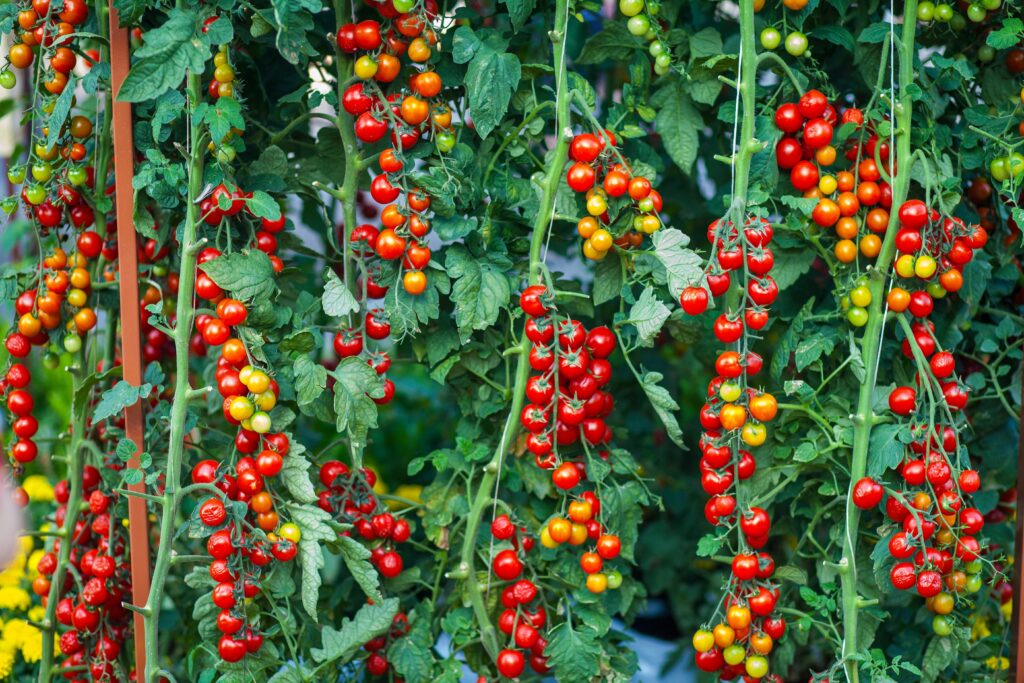
Transitioning from a simple garden to a thriving, abundant tomato harvest requires more than just tossing seeds into the soil. Successful tomato growing hinges on meticulous planning—understanding the specific needs of the plant, optimizing the environment, and designing a layout that maximizes light and airflow. Proper planning is not just a preliminary step; it is the blueprint for mitigating common problems, ensuring robust plant health, and achieving the maximum possible yield.
Understanding Tomato Needs: The Three Pillars of Success
The foundation of any successful tomato endeavor rests on three critical pillars: sunlight, soil, and water management. Tomatoes are sun-loving plants, demanding consistent, intense light to produce flavorful fruit. You must ensure they receive a minimum of 6 to 8 hours of direct sunlight daily to set fruit properly and develop strong stems.
Soil quality dictates nutrient uptake. Tomatoes thrive in rich, loamy soil that offers excellent drainage. Focus on improving the soil’s structure by incorporating generous amounts of organic matter, such as compost, to ensure a balanced pH range, ideally between 6.0 and 6.8. Poorly draining, compacted soil will stunt root growth and invite root rot.
Watering must be strategic. Unlike many vegetables, tomatoes require deep watering rather than frequent, shallow sprinkling. Deep watering encourages roots to grow deep, seeking moisture, which results in plants that are more resilient to dry spells. Allow the top inch of soil to dry slightly between deep waterings, rather than keeping the surface constantly saturated.
The Science of Spacing: Optimizing Plant Health
Spacing is perhaps the most common pitfall for new gardeners. Adequate spacing is crucial because it directly influences plant health by ensuring sufficient air circulation and access to nutrients. Overcrowding leads to dense foliage, poor air circulation, increased fungal disease risk, and smaller, less flavorful fruit.
Intra-plant spacing refers to the distance between individual plants within a single row. This spacing must be generous enough to allow the tomato plants ample room to develop strong, healthy root systems and for their leaves to unfurl properly. A general rule is 2 to 3 feet between plants.
Inter-plant spacing refers to the distance between adjacent rows. This spacing is determined by the sunlight intensity and the specific variety you are growing. More space between rows allows for better light penetration across the entire bed, preventing shading of the lower plants, and ensures easy access for harvesting and maintenance.
Strategic Layout and Design for Efficiency
How you arrange your garden dictates how efficiently you use space and light. Considering your yard’s orientation is step one. North-facing gardens offer cooler, shadier conditions, while South-facing gardens provide the most intense, all-day sun, which is ideal for tomatoes.
The geometry of your planting bed matters immensely. For maximum accessibility and root development, consider forming long, relatively narrow beds rather than sprawling, wide ones. This geometry aids in controlling moisture and simplifies row management.
Choosing your layout technique impacts your vertical space and maintenance effort. Single rows are efficient for smaller spaces and ease of access, but trellis systems (vertical or horizontal) are highly recommended for maximizing yield in smaller footprints by utilizing vertical space and promoting better air circulation across the canopy.
Advanced Planning: Structuring for Maximum Yield
To elevate your harvest beyond the average, integrate microclimate awareness into your design. Pay attention to wind patterns, areas of persistent shade from nearby structures, and the amount of heat retention in your specific plot. Plant placement based on microclimates ensures that the most sensitive plants receive the optimal conditions.
The choice between raised beds and in-ground planting affects drainage and control. Raised beds offer superior drainage control and the ability to amend the soil structure entirely, making them excellent for struggling soils. In-ground planting is perfectly viable if you are confident in your existing soil drainage.
Structurally planning for support is non-negotiable. When designing your layout, calculate the placement for support structures—stakes or trellises—before you dig. This prevents having to redesign rows later, ensuring that your support system aligns perfectly with the intended spacing and growth pattern.
Troubleshooting and Expert Tips
Many planning mistakes stem from ignoring the dynamics of the space. A common oversight is neglecting the airflow factor; crowded plants trap humidity, leading to mildew and blight. Always prioritize this factor in your spacing calculations.
Mid-season adjustments are always possible. If you notice plants struggling or if disease begins to emerge, don’t wait. Minor spacing issues can often be corrected by adding support later in the season, or by strategically pruning larger, older stems to improve air circulation among the remaining plants.
Summary Checklist: Your Ultimate Tomato Garden Blueprint
- Sunlight Check: Verify 6-8 hours of direct, uninterrupted sun exposure.
- Soil Test: Ensure excellent drainage and high organic matter content.
- Spacing Rule: Aim for at least 2-3 feet between plants (intra-plant) and adequate row spacing (inter-plant).
- Orientation: Position beds to maximize desirable sun exposure (generally South-facing).
- Drainage: Use raised beds if your native soil struggles with water retention.
- Support: Plan for support structures (trellises) during the initial layout phase.
- Harvest Strategy: Incorporate succession planting to ensure continuous, varied harvests throughout the season.
Mastering the art of tomato gardening is less about instinct and more about intelligent design. By applying scientific principles to sunlight, soil, spacing, and layout, you move beyond simply growing tomatoes to intentionally cultivating an abundant, healthy, and exceptionally flavorful harvest. Treat your garden planning as the foundational art it is, and watch your yield flourish.