
Key Takeaways
- Crop rotation is essential for breaking pest cycles and balancing nutrient demands in heavy feeders like nightshades.
- Implement a structured 3-year rotation cycle, regularly incorporating nitrogen-fixing crops such as legumes.
- Utilize cover crops strategically to build organic matter, improve soil structure, and suppress weeds.
- Strategic companion planting with nitrogen fixers can naturally manage pest pressure and enhance nutrient availability.
- Proper planning and timing eliminate common errors, leading directly to more abundant harvests.
The secret to true soil fertility lies in understanding the symbiotic relationships between plants and the land. For intensive vegetable growers, especially those cultivating nutrient-demanding crops like nightshades, implementing a thoughtful crop rotation strategy is no longer optional—it is the foundation for sustainable, resilient, and abundant harvests. This practice shifts focus from simply feeding the plants to nurturing the soil ecosystem itself, ensuring long-term productivity and superior yields.
Understanding the Nightshade Family and Their Soil Demands
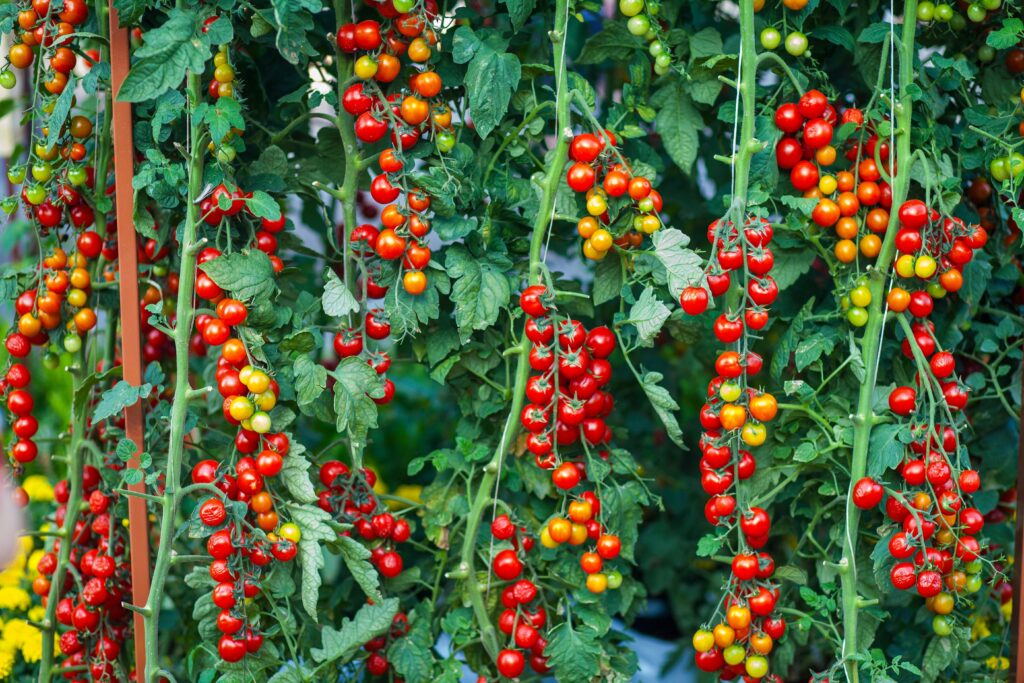
The Solanaceae family, which includes nightshades (tomatoes, potatoes, peppers, eggplant), are notoriously heavy feeders. They demand significant amounts of Nitrogen (N), Phosphorus (P), and Potassium (K) to produce large, fleshy fruits and roots. When grown consecutively in the same plot, these plants deplete specific nutrients from the soil at a pace that the soil cannot replenish naturally, leading to severe nutrient depletion and eventual yield decline.
Monocropping nightshades creates an unsustainable cycle. This practice results in nutrient imbalances and leaves the soil vulnerable to specific diseases and pests that thrive in homogenous environments. Essentially, neglecting rotation forces the soil health to suffer, transforming fertile earth into depleted land over time.
The Science of Crop Rotation: Principles for Soil Health
Effective crop rotation is the systemic practice of growing a sequence of different crops in the same area to improve soil health, manage pests, and optimize nutrient utilization. The core principle is to interrupt pathogen cycles and vary the root structures that draw nutrients from the soil.
Different plant families have distinct impacts on the soil environment. Incorporating legumes (like beans or peas) into the rotation is crucial because they host symbiotic bacteria that naturally fix atmospheric nitrogen, naturally enriching the soil for subsequent heavy feeders like nightshades.
By rotating between deep-rooted crops (e.g., brassicas) and shallow-rooted crops (e.g., some nightshades), you ensure that nutrients are accessed and utilized across different soil depths, leading to a more balanced and healthier overall soil structure.
Advanced Crop Rotation Strategies for Nightshade Growers
Implementing the Three-Year Rotation Model for Nightshades (Deep Dive): A successful rotation involves systematically cycling through different plant groups. A common, effective cycle might involve a heavy feeder (nightshade), a nitrogen fixer (legume), and a soil builder (cover crop). This structured approach ensures that the soil is always being actively improved, rather than just being exhausted.
Sequencing with Soil Amelioration Crops (Cover Crops): Introducing cover crops—such as clover, vetch, or rye—during off-seasons is essential. These crops keep the soil covered, prevent erosion, increase organic matter, and introduce deep root channels that improve water infiltration and aeration, directly boosting microbial life.
Strategic Companion Planting: Pairing Nightshades with Nitrogen Fixers: Legumes are excellent companions for nightshades. By planting nitrogen-fixing legumes in rotation with nightshades, you are essentially providing a natural, low-cost source of nitrogen, dramatically reducing the need for synthetic fertilizers and promoting a more balanced nutrient profile.
Managing Heavy Feeders: Rotating with Root Vegetables and Brassicas: Rotating heavy feeders with different types of crops, such as root vegetables or brassicas (e.g., cabbage, broccoli), helps manage soil dynamics and break up the continuous nutrient demand cycle specific to the nightshade family.
Practical Application: Planning Your Next Rotation Cycle
Creating a Personalized Rotation Plan Based on Your Microclimate: Before planting, assess your specific microclimate, soil type, and local pest pressures. Determine which rotation crops thrive in your local conditions to maximize success. Don’t rely on generic plans; tailor your rotation to the specific needs of your land.
Timing the Rotation: Optimal Planting Windows for Maximum Benefit: Timing is critical. Ensure that the rotation sequence aligns with your local planting windows to maximize the benefit of cover crops and ensure the subsequent crop is planted when soil conditions are optimal for establishment.
Troubleshooting Common Rotation Mistakes: A frequent pitfall is mismanaging heavy metals or pest buildup. If you observe persistent pest issues, consider rotating with repellent crops. If nutrient issues persist, ensure your rotation is cycling through nitrogen-fixing legumes to correct the imbalance. Proper planning eliminates guesswork, leading to more abundant harvests.
Frequently Asked Questions
Q: How long does it take for crop rotation to show significant results?
A: While immediate visual results may not be obvious, the benefits of crop rotation—improved soil structure, increased organic matter, and reduced pest pressure—begin to accumulate over a minimum of two to three full rotation cycles. Consistent, long-term application is key to unlocking soil health.
Q: What are the best cover crops to use when rotating nightshades?
A: Legumes like clover or vetch are excellent choices as they fix nitrogen, while deeper-rooted crops like rye or daikon radish excel at breaking up compacted soil and increasing organic matter. Experiment with mixes based on your soil type and climate.
Q: Can I grow nightshades using only rotation methods?
A: While rotation is the gold standard for long-term soil health, it is highly recommended to combine it with balanced fertilization and organic amendments. Rotation sets the biological framework; proper feeding provides the immediate energy for the plants to thrive.
Q: How do I decide how many years I need for a rotation cycle?
A: For heavy feeders like nightshades, a three-year cycle is the ideal minimum. This allows enough time for primary nutrients to be depleted, the soil to regenerate through cover crops, and the soil microbial life to fully rebalance before introducing the heavy feeder again.
Cultivating abundance in your nightshade garden is a journey of patience and intelligent planning. By moving beyond simple annual planting and embracing a strategic crop rotation, you are not just growing plants; you are actively engaging in the stewardship of your soil. By integrating nitrogen fixers, utilizing cover crops, and planning your sequence wisely, you establish a resilient, fertile ecosystem that will deliver richer yields, healthier plants, and lasting abundance season after season.