
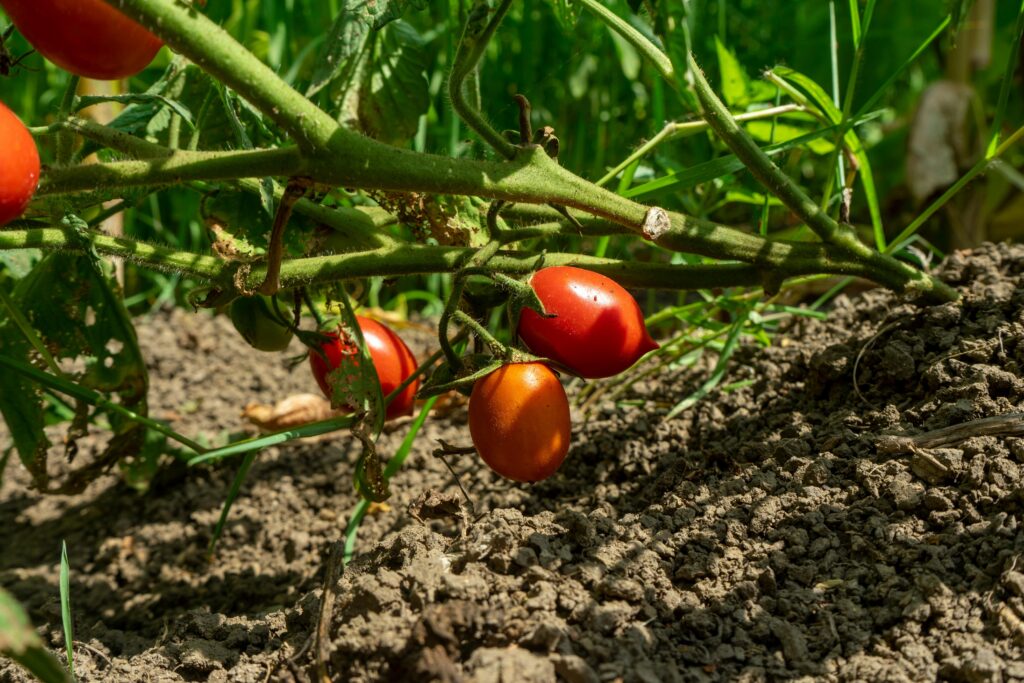
The secret to extraordinary tomato harvests isn’t just about the seeds you plant or the water you give them; it lies deep beneath the surface in the soil itself. Healthy soil acts like a living ecosystem, providing the essential nutrients, water retention, and structure that allow tomato plants to thrive and produce those rich, flavorful fruits. Understanding and actively improving your soil health is the single most powerful step you can take toward achieving bumper yields and superior quality tomatoes.
Phase 1: Understanding Your Soil – The Foundation for Tomato Success
Before applying any amendments, you must know exactly what you are working with. Treating symptoms without addressing the underlying soil deficiencies is like putting a bandage on a broken bone. Soil testing offers an objective roadmap for making informed decisions about your garden.
Step 1: Essential Soil Testing: What to Test and Why. For tomatoes, focus your testing on three critical metrics: pH, NPK (Nitrogen, Phosphorus, Potassium), and Organic Matter (OM). pH dictates nutrient availability, NPK tells you what the plant is actively demanding, and Organic Matter determines the soil’s ability to hold water and nutrients naturally.
Interpreting Your Test Results for Tomatoes. Optimal tomato growth generally occurs in a slightly acidic to neutral pH range (6.0 to 7.0). If your pH is too high, certain micronutrients become locked up, and nutrient uptake suffers significantly. High organic matter levels (ideally above 5% for optimal health) mean your soil is already rich in microbial life and water retention capacity. Use these numbers as the baseline for all future amendments.
Phase 2: Soil Amendment Strategies for Optimal Tomato Growth
Once you have your test results, you can move into strategic amendments designed to correct specific deficiencies and enhance overall soil vitality. The goal is not just feeding the plant, but feeding the soil so it can sustain the plant long-term.
Action Plan A: Adjusting pH Levels (Lime vs. Sulfur Application). Most tomatoes prefer a slightly acidic environment. If your pH is too high, you will need to raise it with agricultural lime. If your pH is too low, sulfur may be considered, though careful testing is essential before applying sulfur.
Action Plan B: Boosting Nutrient Levels (Addressing Nitrogen, Phosphorus, Potassium Deficiencies). If your NPK test shows deficiencies, you can use balanced, slow-release organic fertilizers. Ensure you are supplementing based on your specific test results rather than blanket application, which can lead to toxicity.
Action Plan C: Improving Soil Structure and Water Retention (The Role of Compost and Organic Matter). This is arguably the most critical amendment. Incorporating high-quality compost and aged manure slowly rebuilds the soil structure, creating channels for water infiltration and dramatically increasing the soil’s capacity to hold moisture. This naturally addresses nutrient needs over time.
Advanced Amendment Techniques and Case Study
Beyond basic amendments, advanced techniques create a truly living soil environment. Incorporating Cover Crops—such as clover or vetch—during off-seasons is a game-changer. Cover crops prevent erosion, suppress weeds, and, most importantly, fix atmospheric nitrogen, naturally feeding your tomatoes when they need it.
Bio-Amendments: Introducing beneficial microbial life through compost tea or inoculants can boost the soil’s natural ability to break down organic matter and make nutrients more accessible to the tomato roots. This fosters a robust, self-sustaining microbial community.
Case Study: Applying Soil Amendments Specifically for High-Yield Tomatoes. A garden struggling with low yields and poor water retention that had a pH of 7.5 and low OM responded dramatically to a three-year plan: 1) Apply dolomitic lime to reach a pH of 6.5, 2) Incorporate 6 inches of well-aged compost annually, and 3) Plant a winter cover crop of crimson clover. Within two seasons, the plants demonstrated significantly better root systems, deeper moisture reserves, and yielded 40% more tomatoes than the previous year.
Troubleshooting Common Tomato Problems Rooted in Poor Soil
Poor soil quality manifests in visible plant stress. If your tomatoes exhibit stunted growth, yellowing leaves (chlorosis), or poor fruit development, the issue is often rooted in nutrient lockout or water stress caused by poor soil health.
Nutrient Lockout: If your soil pH is too high, even if you add fertilizer, the nutrients (especially micronutrients like iron and zinc) may become unavailable to the plant. This often presents as interveinal chlorosis. The solution is to amend the pH first.
Water Issues: Poor soil structure with low organic matter leads to compaction and poor drainage. This causes water to run off instead of soaking in, leading to chronic under-watering stress, even when the surface appears moist. Improving OM directly solves this by creating a sponge-like structure in the soil.
Achieving amazing tomato harvests is an act of patient, informed stewardship, not just chemical intervention. By prioritizing soil testing, systematically amending your soil with organic matter and balanced nutrients, and embracing advanced techniques like cover cropping, you transition from merely growing plants to cultivating a thriving, living ecosystem. Maintain living soil, nurture your microbial life, and watch your tomato plants reward you with truly abundant and flavorful fruit.