
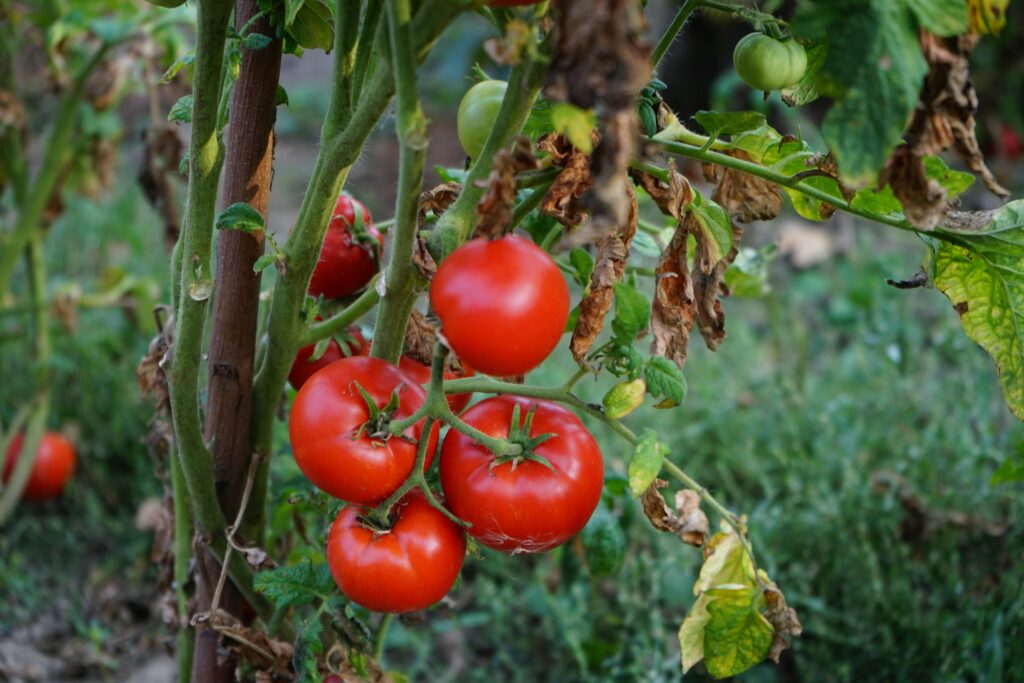
Achieving truly exceptional, flavorful tomatoes is an art, and while quality seeds and sun exposure are crucial, the nutrient foundation dictates the outcome. This deep dive explores the profound differences between organic and synthetic fertilizers, guiding you toward nurturing plants that not only yield abundance but possess unparalleled depth of flavor and nutritional integrity.
The Foundation of Plant Nutrition: Understanding Soil Health
Soil health is the non-negotiable starting point for healthy tomatoes. Plants do not pull nutrients from the air; they draw them from the soil. Healthy soil is teeming with microbial life, has excellent structure, and retains moisture effectively. When soil is neglected, the plants experience nutrient deficiencies, making them vulnerable to pests and disease.
Focusing on soil health means focusing on building living soil rather than just feeding the plant. This involves incorporating organic matter—compost, aged manure, and cover crops—which slowly releases essential nutrients in a balanced, sustained manner.
A rich, organic soil acts like a sponge, ensuring that water is available when the plant needs it, and providing a stable environment where nutrient absorption is optimized.
Deep Dive into Organic Fertilizers: The Natural Path to Tomato Health
Organic fertilizers stem from natural sources, designed to enhance the overall health of the plant ecosystem rather than simply pushing rapid, unsustainable growth. They focus on the long-term vitality of the tomato plant.
The key strength of organic matter is its ability to improve soil structure, increase water retention, and provide a slow, steady release of nutrients. This slow feeding process allows the root systems to develop robustly and efficiently absorb minerals.
Using organic inputs connects the plant directly to the environment, supporting a naturally balanced metabolic process, which ultimately results in tomatoes with superior flavor and nutritional density.
Key Organic Amendments for Tomatoes (Compost, Worm Castings, Fish Emulsion)
Compost is the backbone of organic feeding. It provides a complex mix of macro- and micronutrients, while simultaneously improving the soil’s ability to hold water and structure.
Worm Castings (Vermicompost) are incredibly potent, rich in beneficial bacteria, fungi, and slow-release nutrients. They offer a highly bioavailable supply directly beneficial to the root zone.
Fish Emulsion provides essential nitrogen and phosphorus, alongside amino acids and trace minerals, offering a concentrated boost that supports robust leaf and fruit development naturally.
Understanding Synthetic Fertilizers: The Science and the Trade-offs
Synthetic fertilizers, typically derived from industrial processes, offer highly concentrated, readily available forms of nitrogen, phosphorus, and potassium (NPK). They are designed for maximum nutrient delivery in a short period.
The advantage lies in their precise, measurable concentration, allowing growers to quickly target specific deficiencies. However, the trade-off involves a potential disruption to the delicate microbial balance in the soil over time.
These inputs bypass the slow, natural process of soil development, providing immediate nutritional energy but potentially leading to nutrient imbalances if not carefully managed.
The Risks of Over-reliance on Synthetic Inputs for Tomato Growers
Over-reliance on synthetic fertilizers often leads to a reliance on a constant, high-input cycle. This can cause plants to become dependent on external inputs rather than developing resilient, self-sustaining systems.
Excessive application can lead to nutrient imbalances, where the high levels of one nutrient might mask deficiencies in others. Furthermore, runoff from excessive synthetic use can pollute water sources.
There is also a risk of creating soil acidity or altering the beneficial microbial diversity, making the soil less resilient to future environmental stresses.
Comparative Analysis: Organic vs. Synthetic for Peak Tomato Flavor and Yield
The choice between organic and synthetic is ultimately a choice between short-term efficiency and long-term vitality. The best results come from integrating both approaches wisely.
Here is a direct comparison of the two methods for tomato cultivation:
| Feature | Organic Fertilizers | Synthetic Fertilizers |
| :— | :— | :— |
| Nutrient Release | Slow and sustained | Fast and immediate |
| Soil Health | Improves microbial life | Potential disruption to microbes |
| Flavor Profile | Deeper, complex notes | Potentially more uniform |
| Environmental Impact | Biodegradable, eco-friendly | Potential water pollution |
| Risk Profile | Low, focusing on balance | Higher risk of imbalance |
Tomato-Specific Nutritional Needs: Macronutrients and Micronutrients Explained
Tomatoes are heavy feeders, requiring precise management of macronutrients (Nitrogen, Phosphorus, Potassium – NPK). Nitrogen is essential for leaf and stem growth, while Phosphorus is key for root development and flowering, and Potassium drives fruit quality and disease resistance.
Beyond the NPK trinity, micronutrients like Magnesium, Boron, and Iron are critical for chlorophyll production, fruit setting, and overall plant health. Deficiencies in these elements often manifest as specific visual symptoms on the foliage.
Organic methods naturally encourage the plant to seek out these micronutrients from a healthy root system, ensuring a naturally balanced intake that supports the development of vibrant red fruit.
Bridging the Gap: How to Balance Organic and Synthetic Inputs Safely
The ideal strategy involves using organic matter as the foundation for soil health, followed by targeted supplementation when necessary.
Start by amending your soil heavily with compost and organic amendments to establish a living, fertile environment. This builds resilience.
If you use synthetic inputs, use them sparingly and precisely. Treat synthetic fertilizers as tools for supplementing, not replacing, the core biological health of your soil. For example, use organic compost for baseline nutrition and synthetic inputs only for targeted, immediate boosts under expert guidance.
Practical Application: Feeding Your Tomato Plants Season-by-Season
Early Season (Pre-bloom): Focus heavily on building soil life. Apply a generous layer of compost and worm castings. This seeds the nutritional foundation for the coming growth stage.
Mid-Season (Flowering & Fruit Set): Transition to balanced organic feeds. Use diluted fish emulsion or compost tea to provide the necessary support for flower development.
Fruiting Season: As tomatoes develop fruit, the plant demands sustained nutrition. Supplement with slow-release organic feeds or organic liquid feeds, ensuring balanced NPK ratios while constantly monitoring soil moisture and plant appearance.
Troubleshooting Common Tomato Issues Related to Fertilization (Nutrient Burn, Chlorosis)
Nutrient Burn: This usually signals an imbalance or over-concentration. If leaves appear scorched or bleached, it often indicates a sudden, high application of concentrated fertilizer, especially synthetic ones, or excessive salt accumulation in the soil.
Chlorosis (Yellowing): This is a common sign of nutrient deficiency. Yellowing can point toward Nitrogen deficiency (stunted growth), Iron deficiency (newest leaves turn yellow), or Magnesium deficiency (veins remain green while tissue yellows).
Always diagnose the soil health first. A sick plant often signals an underlying soil problem that fertilizer application alone cannot fix.
Expert Strategy: Creating a Long-Term, Resilient Tomato System
The most successful tomato growers adopt an integrated approach. View your garden not as a series of inputs and outputs, but as a living ecosystem that requires careful stewardship.
Prioritize building soil organic matter above all else. This long-term investment ensures that your garden can thrive through fluctuating conditions without constant reliance on expensive chemical inputs.
Implement integrated pest management alongside organic practices. A truly resilient system addresses the root cause of plant stress, leading to healthier plants, superior flavor, and a more sustainable garden.
The pursuit of perfect, gourmet tomatoes is a journey best walked with patience and knowledge. By honoring the science of soil health, embracing the slow, nurturing power of organic amendments, and using synthetic inputs only as precise tools, you unlock the full potential of your plants. Transitioning from simply feeding a plant to cultivating a thriving, resilient ecosystem is the ultimate strategy for achieving naturally nourished, truly exceptional tomatoes.